What Are The 10 Foods That Cause Kidney Stones?
Kidney stones are painful and can disrupt your daily life, but did you know that your diet plays a major role in their formation? Many people don’t realize that their diet plays a major role in the formation of these stones. Consuming certain foods without knowing their impact could be putting you at risk.
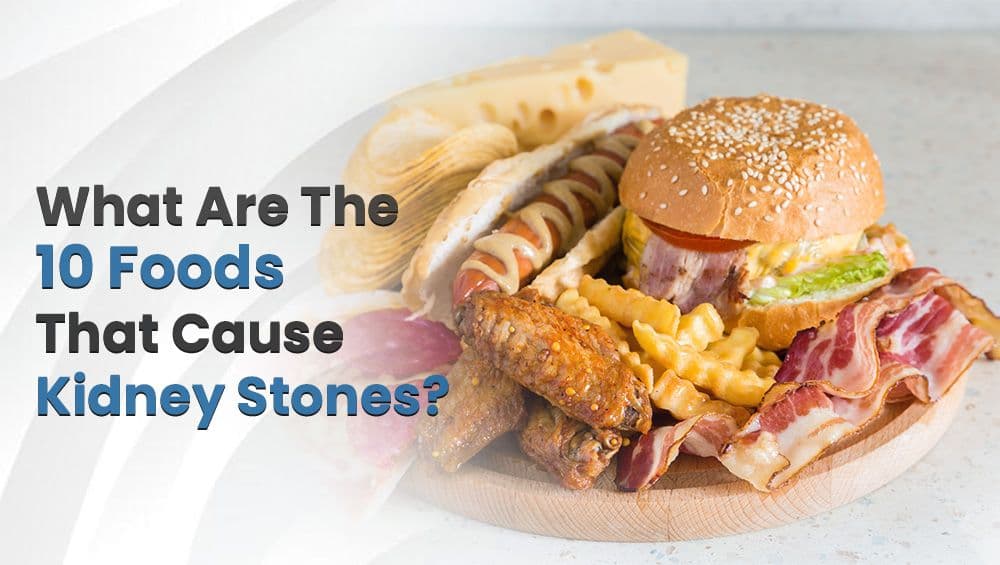
The 10 foods most linked to kidney stones are:
- Spinach and other high-oxalate leafy greens
- Nuts and peanuts
- Beetroot and sweet potato
- Chocolate, cocoa and very strong black tea
- Soy products, kuttu (buckwheat) and rajgira (amaranth) flour
- Salty and processed foods such as pickles, papad, namkeen, chips and instant noodles
- Red meat and organ meat
- Shellfish and small oily fish such as prawns, sardines and anchovies
- Sugar-sweetened colas and soft drinks
- Beer
But that list only helps if you understand one thing first. No single food causes a kidney stone on its own. Stones form when urine becomes too concentrated and its chemistry tips out of balance. Food is one of the levers that tips it, alongside how much water you drink, your weight, your medical conditions and your genes.
And the foods that matter for you depend on which type of stone you form. Spinach matters a lot for a calcium oxalate stone former and very little for someone with uric acid stones. Red meat is the reverse. So read the list below, then read the section that explains which foods matter for which stone.
Why Food Affects Kidney Stones
Most kidney stones are made of one of these:
- Calcium oxalate, by far the most common type
- Uric acid, more common in people with diabetes, obesity or gout
- Calcium phosphate
- Struvite, caused by infection rather than diet
Food can push stone risk up in four ways: by adding oxalate to the urine, by adding calcium to the urine (mostly through salt), by raising uric acid and making urine acidic (mostly through animal protein, alcohol and sugar), and by lowering citrate, the body's natural stone inhibitor.
See the 4 different types of kidney stones for how each type forms.
The 10 Foods, Explained
1. Spinach (Palak) and Other High-Oxalate Greens
Spinach is one of the highest oxalate foods in any diet. Oxalate binds calcium in the urine to form calcium oxalate, the most common stone type. Chaulai (amaranth leaves), beet greens and Swiss chard are also high.
What to do: You do not need to ban spinach for life. Avoid eating it daily, and skip spinach juice and green smoothies, which concentrate the oxalate. When you do eat it, boiling and discarding the water lowers its soluble oxalate, and eating it with paneer, curd or milk lets the calcium bind oxalate in the gut before it reaches your kidney. Palak paneer is a better choice than plain palak sabzi for this reason.
2. Nuts and Peanuts
Almonds, cashews and peanuts are high in oxalate. A handful of soaked almonds every morning, peanut chikki as a daily snack, or peanuts sprinkled through poha and sabudana adds up quickly.
What to do: Keep portions small and not daily if you form calcium oxalate stones. Pairing nuts with a dairy food helps for the same reason as above.
3. Beetroot and Sweet Potato
Beetroot is very high in oxalate, and so is beetroot juice, which has become popular as a health drink. Sweet potato is also high. Regular potato contains a moderate amount, which matters mainly when it is eaten in large quantities every day.
What to do: Limit beetroot juice in particular. Eat these as an occasional part of a meal rather than a daily staple.
4. Chocolate, Cocoa and Very Strong Black Tea
Dark chocolate and cocoa powder are high in oxalate. Black tea also contains oxalate, especially when brewed strong or drunk as iced tea in large volumes.
This needs balancing against good news: in large studies, people who drink tea and coffee in normal amounts actually have a lower risk of kidney stones, not a higher one. Indian chai made with milk is less of a concern than black tea alone, because the calcium in the milk binds some of the oxalate.
What to do: Chocolate as an occasional treat, not a daily habit. A few cups of chai or coffee a day is fine. Avoid litres of strong black or iced tea.
5. Soy, Kuttu and Rajgira
Soybeans, soy chunks, tofu and soy milk are high in oxalate, which surprises many vegetarians who rely on soy for protein.
Kuttu (buckwheat) and rajgira (amaranth) flour, the staples of Navratri and other fasts, are also high in oxalate. Nine days of kuttu puris and rajgira rotis is a meaningful oxalate load for a stone former. See can I fast with kidney stones.
What to do: Do not make soy your main daily protein if you form oxalate stones. During fasts, alternate kuttu with singhara (water chestnut) flour, which is lower in oxalate.
6. Salty and Processed Foods
This is the most important food on the list for most Indian stone formers, and the one people take least seriously.
Every extra gram of salt pushes more calcium into your urine. High urinary calcium is one of the most common abnormalities in people who keep forming stones. And Indian diets hide a lot of salt in pickles (achar), papad, namkeen and bhujia, chips and packaged snacks, instant noodles, sauces and chutney powders, chaat masala, and restaurant and takeaway food.
Sendha namak (rock salt) is still salt. It is sodium chloride and affects urinary calcium the same way.
What to do: Cutting salt usually does more for stone prevention than cutting any single high-oxalate food. Keep pickles and papad occasional, read packet labels, and do not add extra salt at the table.
7. Red Meat and Organ Meat
Mutton, beef, pork, and especially organ meats such as liver (kaleji) and kidney (gurda) are high in purines, which the body breaks down into uric acid. Animal protein also makes urine more acidic, raises urinary calcium and lowers citrate. That combination favours both uric acid and calcium stones.
What to do: You do not need to become vegetarian. Avoid organ meat, and keep red meat to small portions a few times a week rather than daily. Chicken and fish in moderate amounts are reasonable for most people.
The same applies to heavy use of protein powders. See can protein supplements increase kidney stone risk.
8. Shellfish and Small Oily Fish
Prawns, crab, mussels, sardines and anchovies are among the highest purine foods. They raise uric acid, which matters most for people who form uric acid stones or have gout.
What to do: Keep these occasional if you form uric acid stones. They matter much less for calcium oxalate stone formers.
9. Sugar-Sweetened Colas and Soft Drinks
This is the drink with the clearest evidence against it. A large study following 194,095 people for over eight years found that drinking one or more sugar-sweetened colas a day was linked to a 23 percent higher risk of kidney stones compared with less than one a week. The same increase was seen with other sugar-sweetened drinks such as punch.
High fructose raises both urinary calcium and uric acid, and dark colas also contain phosphoric acid. Sugary drinks also add to weight gain and insulin resistance, both of which raise stone risk on their own.
What to do: Replace them with water, nimbu pani (low sugar, no salt) or coconut water. See can drinks dissolve kidney stones for a full drink by drink guide.
10. Beer
Beer is widely believed to flush out stones. It does not. It causes net fluid loss, and it is high in purines because of brewer's yeast, which raises uric acid. Heavy alcohol use in general dehydrates you and adds to weight gain.
What to do: Do not use beer as a stone remedy. If you drink, keep it occasional and drink water alongside it. The full explanation is in does beer help with kidney stones.
Which Foods Matter for Which Stone
| Stone type | Foods that matter most | Foods that matter less |
|---|---|---|
| Calcium oxalate (most common) | Spinach, nuts, beetroot, sweet potato, chocolate, soy, kuttu, rajgira, salty foods | Shellfish, moderate red meat |
| Uric acid | Red meat, organ meat, shellfish, sardines, beer, sugary drinks | Spinach, nuts, oxalate foods |
| Calcium phosphate | Salty foods, excess animal protein | Oxalate foods |
| Struvite (infection) | Diet has little role; infection must be treated | All |
For every stone type: too little water and too much salt make things worse.
The only way to know your stone type is to have a passed or removed stone analysed in a lab. For anyone who has formed more than one stone, a 24 hour urine test shows exactly which part of your urine chemistry is off. See the 24 hour urine test for kidney stones.
Foods That Are Wrongly Blamed
Tomatoes. Tomatoes are low in oxalate, and the seeds do not cause stones. This is one of the most common myths in India. There is no need to stop eating tomatoes.
Milk, curd and paneer. This is the most harmful mistake stone patients make. Dietary calcium taken with meals binds oxalate in the gut, so less oxalate reaches the kidney. Cutting dairy usually raises stone risk. See can kidney stone patients consume milk.
Tea and coffee in normal amounts. Associated with lower risk, not higher, and they count toward your fluid intake.
All calcium-rich foods. The problem is calcium in the urine, which is driven mostly by salt, not calcium in food.
Most fruits. Bananas, apples, papaya, watermelon, oranges and mosambi are fine. Citrus fruits add citrate, which actually protects against stones.
Not Foods, but Just as Important
Some supplements and medicines change urine chemistry in ways that matter as much as diet:
- High-dose vitamin C (1000 mg or more daily), which the body converts into oxalate
- Calcium tablets taken on an empty stomach, rather than with meals
- Long-term high-dose vitamin D without monitoring, especially combined with calcium. See can vitamin D supplements cause kidney stones
- Certain prescription medicines. See can medicines cause kidney stones
Never stop a prescribed medicine on your own. Show your doctor everything you take, including over-the-counter and ayurvedic products.
How to Eat Without Raising Your Risk
You do not need a joyless diet. These habits do far more than banning individual foods:
- Drink enough water to pass at least 2 to 2.5 litres of urine a day, which usually means 3 to 4 litres of fluid, more in hot weather. Pale yellow urine is the goal. See how much water you should drink to prevent kidney stones
- Cut salt before you cut anything else
- Keep normal dairy and eat it with meals
- Pair high-oxalate foods with calcium, such as palak with paneer or nuts with curd
- Eat high-oxalate foods in moderation, not daily
- Add citrate with nimbu pani or citrus fruits
- Keep animal protein moderate
- Swap sugary drinks for water
- Manage weight and blood sugar. See can obesity increase the risk of kidney stones and can diabetes increase the risk of kidney stones
For a full plan of what to include, see what to eat if you have kidney stones, the right diet for kidney stones and the role of diet in kidney stone formation and prevention. In Hindi, read किडनी और ब्लैडर हेल्थ के लिए बेस्ट डाइट.
When Diet Is Not Enough
Diet prevents new stones. It does not dissolve a stone that already exists, with the single exception of uric acid stones, which can sometimes be dissolved with prescribed medication.
If you keep forming stones despite a careful diet, the cause is usually something food cannot fix: low urinary citrate, an overactive parathyroid gland, an anatomical problem in the kidney, infection, or fragments left behind after a previous surgery. See how to avoid kidney stone recurrence and, in Hindi, किडनी स्टोन बार बार क्यों बनते हैं.
If you already have a stone, our kidney stone checker gives a quick idea of what your stone's size and location usually need, and our kidney stone treatment page explains the options, including RIRS. To find out which foods matter for your stone type, book a consultation with Dr. Deepanshu Gupta.
Frequently Asked Questions
What are the 10 foods that cause kidney stones?
Spinach and high-oxalate greens, nuts and peanuts, beetroot and sweet potato, chocolate and strong black tea, soy and fasting flours like kuttu and rajgira, salty processed foods, red and organ meat, shellfish and small oily fish, sugar-sweetened colas, and beer. None causes stones on its own, and which ones matter depends on your stone type.
What is the worst food for kidney stones?
For most people, salt. It raises the amount of calcium in urine and is hidden in pickles, papad, namkeen, packaged snacks and restaurant food. For calcium oxalate stone formers, very high oxalate foods like spinach and beetroot juice also matter a lot.
Do tomatoes cause kidney stones?
No. Tomatoes are low in oxalate and their seeds do not cause stones. There is no need to avoid them.
Should I stop drinking milk if I have kidney stones?
No. Milk, curd and paneer taken with meals help bind oxalate in the gut and lower stone risk. Cutting dairy usually makes stones more likely.
Can I eat spinach if I have kidney stones?
Occasionally, in small amounts, preferably boiled and eaten with a dairy food like paneer. Avoid daily spinach and spinach juice if you form calcium oxalate stones.
Does tea or coffee cause kidney stones?
In normal amounts, no. Large studies link tea and coffee to a lower stone risk. Avoid very large amounts of strong black tea or iced tea because of their oxalate content.
Which foods should I avoid with uric acid stones?
Red meat, organ meat, shellfish, sardines and anchovies, beer and sugary drinks. Keeping weight and blood sugar under control also matters a great deal.
Can diet alone prevent kidney stones?
Diet and good hydration prevent many stones, but not all. If stones keep coming back despite a careful diet, tests such as stone analysis and a 24 hour urine study can find the underlying cause.
References
- Ferraro PM, Taylor EN, Gambaro G, Curhan GC. Soda and other beverages and the risk of kidney stones. Clinical Journal of the American Society of Nephrology. 2013;8(8):1389-1395. https://pubmed.ncbi.nlm.nih.gov/23676355/
Have Questions About This Topic?
Get a personalized consultation at Cure Stone Hospital, Sector 52, Gurgaon.
Book Consultation