10 Signs Of Chronic Kidney Diseases
Kidney disease happens when your kidneys aren’t working as they should and start losing their ability to do their job. Chronic kidney disease (CKD) gets worse over time. High blood pressure and diabetes are two common reasons for CKD.
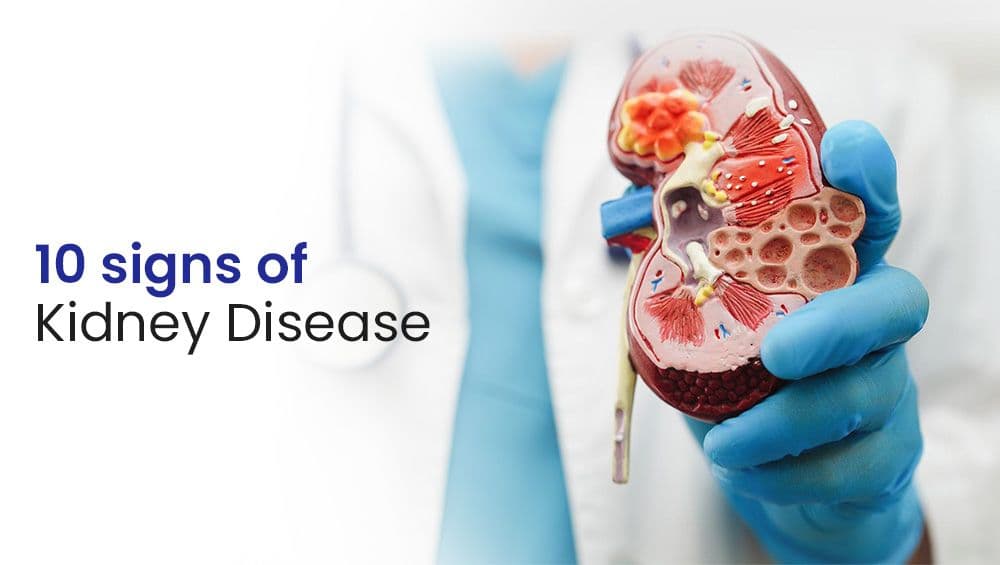
Kidney disease happens when your kidneys aren’t working as they should and start losing their ability to do their job. Chronic kidney disease (CKD) gets worse over time. High blood pressure and diabetes are two common reasons for CKD. While there’s no cure for CKD, you can take steps to keep your kidneys working as long as possible. In the later stages, you may need dialysis or a kidney transplant to stay healthy. In this blog, we’ll go over 10 signs of chronic kidney disease.
How Does Kidney Disease Occur?
Kidney disease occurs when your kidneys are damaged and can’t effectively filter waste and excess fluids from your blood. This condition can range from mild to severe and may worsen over time. There are different types of kidney disease, including acute kidney injury, which develops suddenly, and chronic kidney disease (CKD), which gradually impairs kidney function over months or years.
Chronic kidney disease is often caused by long-term conditions like high blood pressure or diabetes, and it can lead to more severe health issues, including kidney failure. If the disease progresses to this stage, treatments such as dialysis or a kidney transplant may be necessary to maintain health. Early detection and management are crucial in slowing down the progression of kidney disease and maintaining kidney function for as long as possible.
10 Common Signs of Kidney Disease
Here are some common signs of chronic kidney diseases to watch out for:
1. Feeling More Tired and Less Energetic
When your kidneys aren’t working as they should, toxins and waste build up in your blood instead of being flushed out. This can leave you feeling exhausted, weak, and make it difficult to focus. Kidney disease can also lead to anemia, which further drains your energy.
2. Difficulty Sleeping
Struggling to get a good night’s sleep? It could be your kidneys. When they’re not filtering properly, toxins stay in your blood, making it hard to sleep. There’s also a connection between kidney disease and sleep apnea, which is more common in those with kidney issues.
3. Dry and Itchy Skin
Healthy kidneys do a lot, including keeping your bones strong and maintaining the right balance of minerals in your blood. When they start to fail, your skin can become dry and itchy. This is often a sign of mineral and bone issues that come with advanced kidney disease.
4. Needing to Urinate More Often
If you find yourself needing to pee more frequently, especially at night, it might be a sign of kidney trouble. Damaged kidneys can cause an increased urge to urinate. However, this could also be due to a urinary infection or, in men, an enlarged prostate.
5. Blood in Your Urine
Healthy kidneys keep blood cells in your body while filtering waste into urine. If the kidneys’ filters are damaged, blood cells can leak into your urine. Seeing blood in your urine can also be a sign of tumors, kidney stones, or infections.
6. Foamy Urine
If you notice a lot of bubbles in your urine that don’t go away easily, it might be a sign of protein in your urine. This can happen when the kidneys’ filters are damaged, allowing protein to escape into the urine. The foam might remind you of the froth you see when scrambling eggs.
7. Persistent Puffiness Around Your Eyes
Waking up with puffy eyes that don’t seem to go away? This could be due to your kidneys leaking protein into your urine instead of keeping it in your body, which is an early sign of kidney damage.
8. Swollen Ankles and Feet
If your feet and ankles are swelling, it could be due to sodium retention from decreased kidney function. However, this swelling can also be a sign of heart disease, liver disease, or problems with the veins in your legs.
9. Poor Appetite
Not feeling hungry? A reduced appetite can be a general symptom, but when it comes to kidney disease, it’s often due to the buildup of toxins in your body.
10. Muscle Cramps
Cramping up? Kidney disease can cause imbalances in electrolytes like calcium and phosphorus, leading to muscle cramps. This happens because your kidneys are no longer regulating these minerals properly.
These symptoms can be subtle, and many people might not notice them right away. If you’re experiencing any of these signs, it’s important to talk to a healthcare professional who can help determine the cause and the best course of action. Early detection and treatment of kidney disease can make a big difference in your health.
CureStone: Your Trusted Partner for Kidney Care
If you’re noticing signs of chronic kidney disease, you might be wondering about the best course of action. At CureStone, we recognize the challenges that come with kidney stones and other kidney-related issues. Our dedicated team is here to offer comprehensive and pain-free solutions tailored to your specific needs.
We focus on advanced treatments that effectively address kidney stones and related concerns, ensuring your comfort and well-being at every stage. From your first consultation to full recovery, our experts are committed to providing top-quality care that reduces discomfort and promotes your overall health.
Don’t let kidney issues dictate your life. Connect with CureStone today for professional care and guidance, and take your first step toward a healthier, pain-free future.
Frequently Asked Questions (FAQs)
Can chronic kidney disease be cured?
Currently, there is no cure for chronic kidney disease (CKD). However, early detection and appropriate treatments, such as managing your blood pressure, controlling blood sugar levels, and making dietary changes, can significantly slow down the progression of the disease and help maintain kidney function for a longer period.
What are the main causes of chronic kidney disease?
The two most common causes of chronic kidney disease are high blood pressure and diabetes. Both conditions cause prolonged damage to the small blood vessels in the kidneys, limiting their ability to filter waste effectively.
Can kidney stones lead to chronic kidney disease?
While a single kidney stone usually doesn't cause chronic kidney disease, frequent or recurrent kidney stones can increase your risk. If stones repeatedly block the urinary tract and cause frequent infections or prolonged swelling (hydronephrosis), it can cause permanent damage to the kidney tissue over time.
Is foamy urine always a sign of kidney disease?
Not always. Sometimes urine can appear foamy simply because of a rapid urine stream or mild dehydration. However, if the foam is persistent, thick, and difficult to flush away, it is a strong indicator of proteinuria (protein in the urine), which is a key warning sign of kidney damage. You should see a doctor for a simple urine test.
What can I do to protect my kidneys if I am at risk?
To protect your kidneys, you should focus on keeping your blood pressure and blood sugar within healthy ranges, eating a balanced diet low in sodium, staying hydrated, avoiding smoking, and limiting the use of over-the-counter pain medications like NSAIDs (ibuprofen), which can harm the kidneys if used excessively.
Have Questions About This Topic?
Get a personalized consultation at Cure Stone Hospital, Sector 52, Gurgaon.
Book Consultation