How much water should you drink to prevent kidney stones?
Kidney stones can be a painful problem that affects millions all over the world. They are caused by the minerals and salts present inside urine, which then create crystals, which then become hardened into lumps. One of the best ways of prevention is to drink plenty of water.
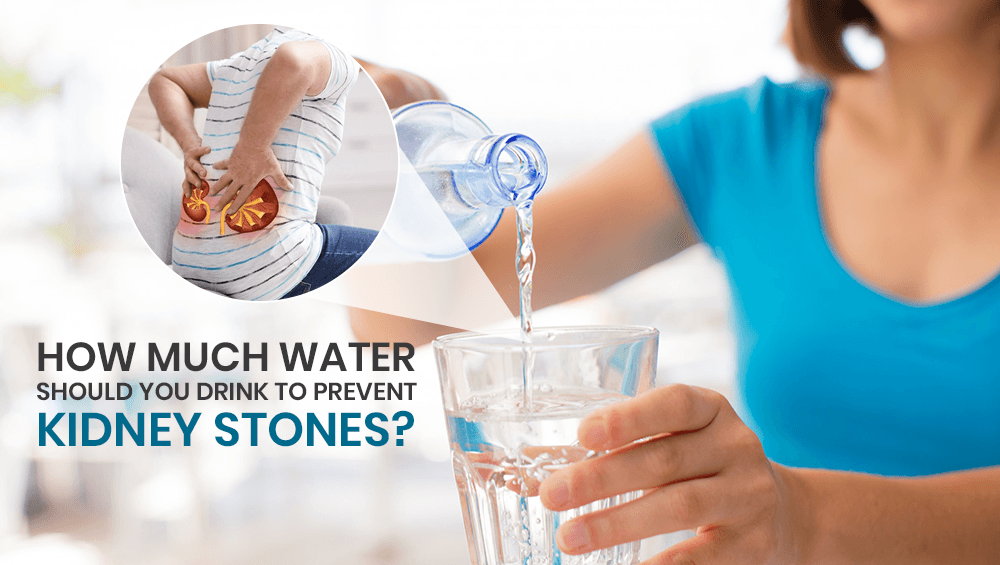
Kidney stones are a painful problem that affects millions of people all over the world. They are caused by minerals and salts in urine that crystallize and harden into solid lumps. One of the single most effective ways to prevent stones from forming is simple: drink plenty of water. Understanding how much water you need, choosing the ideal beverages, and building consistent daily hydration habits can help protect your urinary health.
Why Water Matters in Preventing Kidney Stones
Your kidneys continuously filter waste and excess minerals out of your bloodstream, eliminating them via urine. Without sufficient fluid intake, urine becomes dark and highly concentrated. This environment makes it easy for minerals like calcium, oxalate, and uric acid to bind together and form kidney stones. A low daily urine volume is the most significant environmental risk factor for stone formation. Proper hydration keeps your urine diluted, preventing mineral crystals from clumping together.
How Much Water Should You Drink Daily?
While individual fluid needs vary based on climate and activity level, urological guidelines recommend:
- Daily Fluid Intake: Drink 2.5 to 3 liters of total fluid daily (about 10 to 12 glasses).
- Target Urine Output: Aim to produce at least 2 to 2.5 liters of urine every 24 hours to ensure continuous flushing of the renal pelvis.
- Monitor Urine Color: Your urine color is the easiest indicator of hydration. Aim for pale, straw-like, or clear urine. Dark yellow or amber urine signals that you need to drink more fluids immediately.
Learn more about why hydration is necessary for kidney health.
Best Drinks for Kidney Health
Not all beverages provide equal protection against stone formation.
Recommended Beverages
- Plain Water: The undisputed best choice for renal filtration.
- Fresh Citrus Juices (Lemonade or Orange Juice): Rich in natural citrate, which binds to urinary calcium and inhibits crystal aggregation. Read about cranberry juice and urinary tract infections.
- Coconut Water: Naturally hydrating and rich in potassium and electrolytes.
Beverages to Limit or Avoid
- Sugary Sodas and Energy Drinks: High fructose corn syrup and phosphoric acid increase urinary calcium excretion and stone risk.
- Excessive Heavy Teas: Certain dark teas contain high oxalate concentrations that may promote calcium oxalate stones.
Practical Tips to Stay Hydrated Throughout the Day
- Drink Regularly: Sip water consistently throughout the day rather than drinking large amounts all at once.
- Anchor Your Intake: Drink a full glass of water right when you wake up, before every meal, and before going to sleep.
- Eat Hydrating Foods: Incorporate high-water fruits and vegetables like cucumbers, watermelon, tomatoes, and oranges into your meals.
- Adjust for Activity and Heat: Increase fluid intake during hot weather or after exercise to replace water lost through sweat.
Additional Healthy Habits to Prevent Kidney Stones
Combining proper fluid intake with a balanced diet significantly lowers stone recurrence rates:
- Limit Sodium Intake: High salt intake forces your kidneys to excrete more calcium into urine, raising stone risk.
- Moderate Oxalate Foods: If you are prone to calcium oxalate stones, moderate your intake of high-oxalate foods like spinach, beets, and almonds. Explore the right diet for kidney stones.
- Maintain Normal Calcium Intake: Do not cut out dietary calcium. Getting adequate calcium from food (like dairy) binds oxalates in the gut before they reach the kidneys.
- Reduce Excessive Animal Protein: High consumption of red meat raises uric acid levels in urine. Read about uric acid stones complications and treatment.
Individual Fluid Needs by Category
- Previous Stone Formers: Aim for at least 3 liters of fluids daily to achieve high urine dilution. Learn how to avoid kidney stone recurrence.
- Athletes or Outdoor Workers: Require additional fluids to replace heavy sweat loss.
- Older Adults: Should monitor fluid intake deliberately, as the natural sense of thirst diminishes with age.
Expert Urological Care in Gurgaon
Hydration is your first line of defense against kidney stones. If you experience flank pain, burning during urination, or visible blood in your urine, seek evaluation from an experienced endourologist. For expert diagnosis and minimally invasive stone management in Gurgaon and Delhi NCR, consult Dr. Deepanshu Gupta. With over 15 years of surgical experience and thousands of successful procedures (including scarless RIRS, PCNL, and ESWL), Dr. Gupta provides tailored treatment and long-term prevention plans.
Frequently Asked Questions
How much water do I need to drink daily to avoid kidney stones?
Aim for 2.5 to 3 liters of fluid daily. This ensures you generate over 2 liters of light-colored, diluted urine every day.
Can drinking too much water harm my kidneys?
While extremely excessive fluid intake can dilute blood sodium levels (hyponatremia), drinking 3 liters evenly distributed throughout the day is completely safe for individuals with healthy kidney function.
Does drinking lemon water really help stop kidney stones?
Yes. Lemons are rich in natural citrate, which binds with calcium in urine to prevent it from forming calcium oxalate crystals.
How do I know if I am drinking enough fluids?
Check the color of your urine. Pale, straw-colored or clear urine indicates adequate hydration, whereas dark yellow urine means you need to drink more fluids. Read more on how do you know when a kidney stone is close to passing.
Have Questions About This Topic?
Get a personalized consultation at Cure Stone Hospital, Sector 52, Gurgaon.
Book Consultation