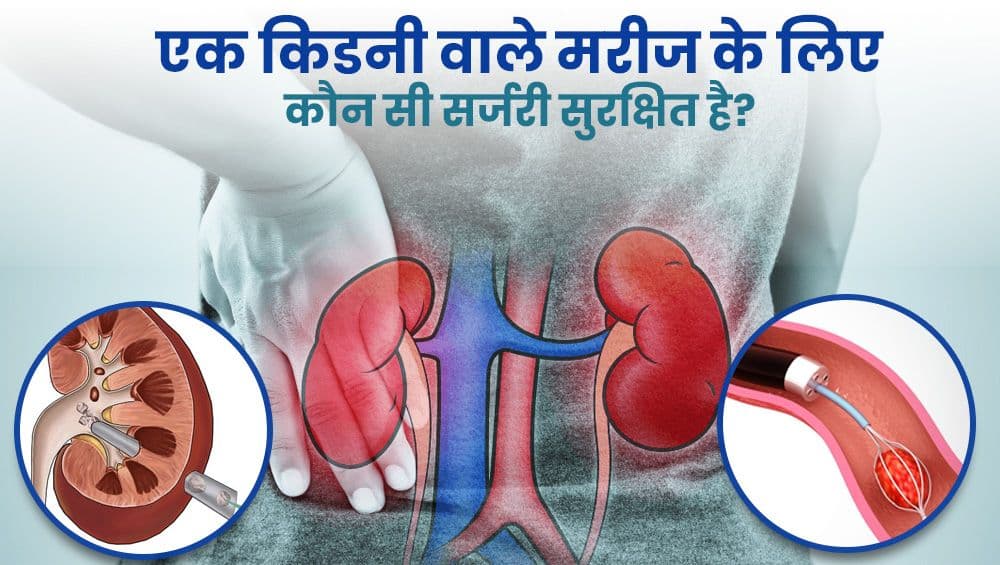
The Role of a Urologist in Treating Kidney & Urinary Issues
Do you know who to turn to if you experience persistent burning while urinating, or if that dull back pain becomes a kidney stone? You may be thinking of a doctor, a nephrologist, or perhaps you’d try some home remedies first — but the true specialist for these maladies is the urologist. But what exactly is a urologist?

What Does a Urologist Do? Conditions, Diagnostics, and Modern Treatments
Do you know who to turn to if you experience persistent burning while urinating, or if a dull ache in your side suddenly escalates into sharp kidney stone pain? While many people start by seeing a primary care physician or trying home remedies, the definitive medical and surgical expert for these issues is a urologist.
Many assume urologists only treat male health concerns or basic urinary tract infections. In reality, a urologist is a specialized physician trained to diagnose and treat diseases of the entire human urinary system in both men and women, as well as the male reproductive system.
Here is a comprehensive breakdown of what urologists treat, how they diagnose complex conditions, and when you should schedule an evaluation.
What System Does a Urologist Treat?
A urologist manages both medical and surgical conditions involving the organs that filter, store, and excrete urine from the body, as well as male reproductive anatomy:
- Kidneys: Organs that filter waste and extra fluid from the blood to produce urine.
- Ureters: Muscular tubes that transport urine from the kidneys down to the bladder.
- Bladder: The muscular sac that stores urine until excretion.
- Urethra: The tube that carries urine out of the body during urination.
- Male Reproductive Organs: Including the prostate gland, testicles, epididymis, and penis.
While nephrologists specialize solely in internal kidney disease and dialysis, urologists are dual trained in medical management and advanced endourological surgery.
7 Common Conditions Urologists Treat
1. Kidney Stones (Nephrolithiasis)
Kidney stones form when minerals and salts in hyper-concentrated urine crystallize into hard deposits. Urologists manage everything from small stones that pass with medication to complex stones requiring incision-free laser surgery.
2. Recurrent Urinary Tract Infections (UTIs)
While a single basic UTI can be managed by a general practitioner, chronic or recurrent UTIs—especially in men or postmenopausal women—often indicate underlying anatomical blockages, incomplete bladder emptying, or infection-linked struvite stones.
3. Benign Prostatic Hyperplasia (BPH)
As men age, prostate enlargement can compress the urethra, causing weak urine stream, frequent nighttime urination (nocturia), or difficulty emptying the bladder completely. Urologists provide targeted medical therapies and minimally invasive laser treatments.
4. Bladder Dysfunction and Incontinence
Conditions like overactive bladder (OAB), urinary urgency, and stress or urge incontinence affect millions of men and women. Urologists utilize medications, nerve stimulation, and outpatient procedures to restore bladder control.
5. Urological Cancers
Urologists lead the diagnosis, staging, and surgical removal of cancers affecting the kidneys, bladder, prostate, testicles, and adrenal glands, often working alongside medical oncologists.
6. Male Infertility and Sexual Health
Urologists specialize in diagnosing and treating erectile dysfunction (ED), Peyronie's disease, low testosterone, varicoceles, and male factor infertility.
7. Urinary Tract Blockages and Strictures
Anatomical narrowing of the ureters or urethra (urethral strictures) can obstruct normal urine flow, leading to kidney swelling (hydronephrosis) and organ damage if left uncorrected.
When Should You See a Urologist?
Do not ignore warning signs from your urinary tract. Schedule a urological evaluation if you experience:
- Blood in your urine (hematuria)—whether pink, red, or tea-colored. Read our guide on blood in urine (hematuria).
- Sudden, severe pain in your back, flank, or groin.
- Persistent burning or pain during urination (dysuria).
- Difficulty starting urination, a weak stream, or persistent dribbling.
- Recurrent urinary tract infections (two or more in six months).
- Unexplained urinary leakage or loss of bladder control.
- Swelling, lumps, or pain in the testicles.
How Urologists Test for Urinary and Kidney Issues
Modern urology uses advanced diagnostic technologies to locate issues without unnecessary discomfort:
- Urinalysis and Urine Culture: Checks for red blood cells, infection, protein, and crystal content.
- Non-Contrast CT Scan & Ultrasound: High-resolution imaging to detect kidney stones, structural blockages, or renal masses.
- Uroflowmetry: Measures urine flow speed and volume to assess bladder outlet obstruction.
- Cystoscopy: A diagnostic procedure using a thin, flexible camera inserted into the urethra to inspect the bladder lining directly.
- 24-Hour Urine Metabolic Evaluation: Analyzes total urine chemistry over a full day to identify stone risk factors and prevent future stones. Read our guide on how to avoid kidney stone recurrence.
Modern, Minimally Invasive Urological Procedures
Surgical urology has evolved away from large open incisions. Today, endourologists use advanced laser technologies and flexible digital scopes to treat complex conditions through natural urinary passages:
- Retrograde Intrarenal Surgery (RIRS): A 100% incision-free procedure where a flexible digital scope passes through natural urinary channels to pulverize kidney stones with high-power lasers. Read our detailed guide on FANS-RIRS suction laser surgery.
- Ureteroscopic Lithotripsy (URS): Uses a thin scope to locate, break, and remove mid-to-lower ureteral stones cleanly.
- Percutaneous Nephrolithotomy (Mini-PCNL): A keyhole procedure performed through a tiny back incision (under 1 cm) to clear large or staghorn stones.
- Transurethral Resection or Laser Enucleation of the Prostate: Minimally invasive procedures to clear obstructed prostate tissue and restore normal urinary flow.
Expert Urological Care with Dr. Deepanshu Gupta in Gurgaon
Choosing a skilled, board-certified urologist ensures rapid diagnosis, access to advanced minimally invasive technology, and a faster recovery.
For expert urological care in Gurgaon and Delhi NCR, Dr. Deepanshu Gupta at CureStone delivers world-class treatment. Holding an MCh in Urology (Rank 1) with over 12 years of clinical experience across 9,500+ successful endoscopic procedures, Dr. Gupta specializes in:
- Incision-Free Laser Surgery: High-precision RIRS and vacuum-assisted FANS-RIRS for complete kidney stone clearance with minimal recovery time.
- Radiation-Free & Low-Dose Protocols: Diagnostic techniques designed to protect long-term patient health.
- Comprehensive Metabolic Management: Tailored metabolic profiling and dietary plans to prevent kidney stone recurrence.
Do not let urinary discomfort or kidney stone pain linger—book a consultation with Dr. Deepanshu Gupta today!
Frequently Asked Questions (FAQs)
What is the main difference between a urologist and a nephrologist?
A nephrologist is a medical specialist focused on internal kidney function, chronic kidney disease (CKD), hypertension, and dialysis. A urologist is a surgical and medical specialist who treats structural, obstructive, and cancerous conditions affecting the entire urinary system (kidneys, ureters, bladder, urethra) and male reproductive system.
Do urologists treat female patients?
Yes. Urologists treat women for all urinary conditions, including kidney stones, urinary tract infections, overactive bladder, urinary incontinence, bladder prolapse, and cancers of the kidneys or bladder.
Is laser kidney stone surgery (RIRS) painful?
Because RIRS is performed under anesthesia through natural urinary passages without any surgical cuts or skin incisions, postoperative pain is minimal compared to traditional open or laparoscopic surgery. Most patients are discharged within 24 hours and return to routine activities in 2 to 3 days.
Have Questions About This Topic?
Get a personalized consultation at Cure Stone Hospital, Sector 52, Gurgaon.
Book Consultation