How to Identify & Avoid Common Urological Problems?
There are more cases of urological problems which include kidneys, the bladder, ureters, urethra, and male organs than most people realize. Prompt identification and prevention would have a dramatic effect on health, suffering, and unnecessary procedures. Essential clues are given by the experts, including urinary habits, lifestyle and early symptoms.

There are far more cases of urological problems involving the kidneys, bladder, ureters, urethra, and male reproductive organs than most people realize. Prompt identification and prevention can have a dramatic effect on overall health, preventing suffering and avoiding unnecessary procedures. Recognizing early symptoms, understanding risk factors, and adopting proactive lifestyle habits are essential to preserving long-term urinary health.
Early-Stage Recognition of Urological Symptoms
Recognizing symptoms in their early stages is critical to preventing severe complications. The first line of defense is being aware of subtle changes in your body:
- Frequent Urination: Needing to pass urine more often than usual can indicate an infection, bladder irritation, or an enlarged prostate gland.
- Painful or Burning Urination: Frequently caused by urinary tract infections (UTIs) or localized inflammation.
- Blood in the Urine (Hematuria): Should always be evaluated by a doctor, as hematuria can imply stones, infection, or other serious conditions.
- Lower Abdominal or Flank Pain: Typically points toward kidney stone pain or structural obstruction.
- Bladder Leakage: Incontinence can stem from weakened pelvic floor muscles or bladder muscle dysfunction.
Identifying these issues early allows for simpler remedies before complications develop.
Prevalent Urological Diseases and Prevention
1. Urinary Tract Infections (UTIs)
UTIs are common, particularly among women. Preventative steps include:
- Drinking plenty of fluids to flush out bacteria.
- Practicing good post-coital hygiene, such as passing urine after sex.
- Avoiding harsh feminine products that disrupt the natural balance of the urinary tract.
2. Kidney Stones (Uroliths)
Passing a stone through the urinary tract can be extremely painful. Preventative steps include:
- Consuming plenty of water to ensure urine remains diluted.
- Reducing sodium intake to curb stone formation.
- Balancing oxalate-rich foods (such as spinach and nuts) with adequate dietary calcium to decrease oxalate absorption.
3. Overactive Bladder (OAB)
Characterized by sudden urinary urgency and incontinence. Management options include:
- Overactive bladder training to gradually improve control.
- Pelvic floor exercises (Kegels) to strengthen supportive muscles.
- Reducing bladder irritants such as caffeine, alcohol, and spicy foods.
4. Prostatitis and BPH in Men
Prostate enlargement (Benign Prostatic Hyperplasia) and prostatitis interfere with normal urination:
- Flushing the prostate region by drinking plenty of fluids.
- Avoiding decongestants or medications that aggravate urinary retention.
- Avoiding remaining seated for extended periods to prevent pelvic congestion.
5. Bladder Cancer
Major risk factors include smoking and industrial chemical exposure:
- Quitting tobacco immediately to significantly lower risk.
- Using protective equipment when working with industrial chemicals.
- Maintaining high fluid intake to continually flush out metabolites.
Healthy Lifestyle Practices to Promote Urinary Health
- Maintain Proper Hydration: Drinking 8 to 10 glasses of water daily helps reduce the risk of UTIs, kidney stones, and bladder irritation. Learn more about why hydration is necessary for kidney health.
- Adopt a Balanced Diet: Avoid excess salt, sugar, and processed foods, which contribute to stone formation and inflammation.
- Engage in Physical Activity: Aerobic exercise aids in weight management, while targeted pelvic exercises strengthen total urinary support.
- Practice Good Hygiene: Wash daily with mild soap, wipe from front to back, and wear breathable cotton underwear.
- Stop Smoking: Quitting tobacco lowers the risk of bladder cancer and improves kidney and prostate function.
Diagnostic Tests and Treatment Modalities
When visiting a urologist, standard diagnostic tools may be used:
- Urinalysis and Blood Tests: To check for infection, kidney function, and PSA levels.
- Imaging Scans: Ultrasounds or CT scans to detect stones or structural abnormalities.
- Cystoscopy: A visual examination of the bladder interior.
- Urodynamic Testing: To evaluate bladder function and pressure.
Treatment ranges from simple dietary modifications and medications for UTIs, BPH, or OAB to minimally invasive procedures like laser lithotripsy, RIRS, PCNL, or advanced prostate surgery.
Expert Urological Care in Gurgaon
If you are experiencing persistent urinary symptoms, kidney stones, or prostate issues, seek care from an experienced specialist.
Dr. Deepanshu Gupta is a top-ranked urologist and kidney transplant surgeon in Gurgaon. With vast surgical experience and expertise in advanced, minimally invasive endourological procedures (such as RIRS, PCNL, and ESWL), Dr. Gupta provides accurate diagnoses and individualized treatment plans for optimal health outcomes.
Frequently Asked Questions
When should I see a urologist for urinary symptoms?
You should consult a urologist if you experience persistent pain during urination, visible blood in your urine, ongoing flank or back pain, frequent UTIs, sudden urinary leakage, or any unusual changes in testicular health.
Can kidney stones be prevented through diet alone?
Diet plays a major role in stone prevention. Increasing your daily fluid intake, reducing salt and excess animal protein, and balancing oxalate intake can significantly lower your risk of developing recurrent kidney stones.
What is the difference between a UTI and a kidney infection?
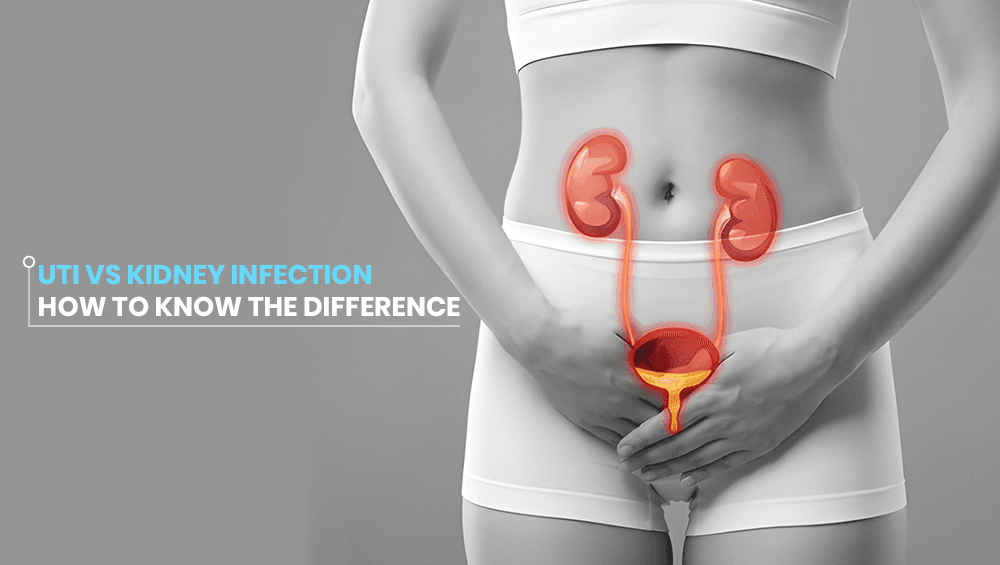
A UTI typically affects the lower urinary tract (the bladder and urethra), causing burning during urination and frequency. A kidney infection occurs when bacteria travel up to one or both kidneys, often causing severe back pain, fever, nausea, and chills. Understanding the difference between a UTI and a kidney infection helps ensure you seek appropriate treatment promptly.
Have Questions About This Topic?
Get a personalized consultation at Cure Stone Hospital, Sector 52, Gurgaon.
Book Consultation