Ureteroscopy For Kidney Stones: How does it work?
Ureteroscopy is a less invasive endoscopic technique performed commonly for diagnosis and management of kidney stones. This is an invasive procedure that uses a slender, flexible tube called the ureteroscope to be passed through the urethra and the bladder, into the ureter of the kidney. It allows urologists to find and treat kidney stones and
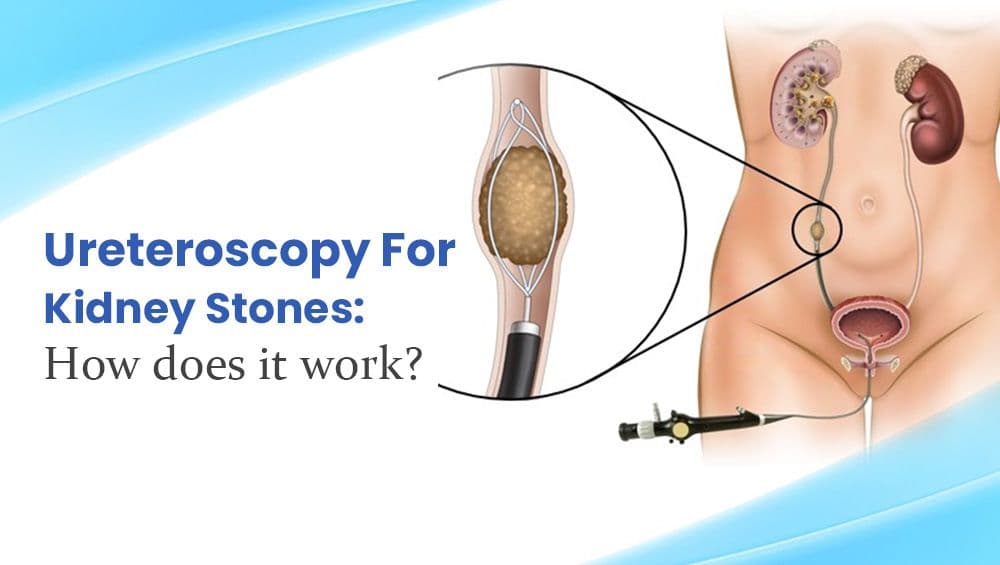
Ureteroscopy is a less invasive endoscopic technique performed commonly for diagnosis andmanagement of kidney stones. This is an invasive procedure that uses a slender, flexible tube called the ureteroscope to be passed through the urethra and the bladder, into the ureter of the kidney. It allows urologists to find and treat kidney stones and as such, does not require other incisions that are expected from normal surgeries.
The procedure is normally done with the patient under anesthesia. When the urologist gets to the site of the kidney stone using the ureteroscope, he uses devices to either – extract the stone or shatter it with the use of laser or mechanical energy. In this blog, we will explore ureteroscopy for kidney stones and how it works!!
What Happens in a Ureteroscopy? A Simple Explanation
If you have a kidney stone that’s causing pain, your doctor might recommend a procedure calledureteroscopyto remove it. Here’s a straightforward look at what happens during this procedure:
- Preparation:Before the procedure, you’ll meet with your doctor to discuss your health and any medications you’re taking. You might need to stop certain medications and avoid eating or drinking for a few hours before the surgery.
- Anesthesia:On the day of the procedure, you’ll receive anesthesia to keep you comfortable. This could be general anesthesia (where you’re asleep) or local anesthesia (numbing the area).
- Getting Ready
- Inserting the Ureteroscope:The doctor uses a small, flexible tube called aureteroscope. This tool has a tiny camera and light on the end, allowing the doctor to see inside your urinary system.
- Navigating to the Stone:The ureteroscope is gently inserted through yoururethra(the tube you pee through), into yourbladder, and then up into theureter(the tube connecting your kidney to your bladder).
- The Procedure Begins
- Locating the Stone:Once the ureteroscope reaches the area with the kidney stone, the doctor can see it clearly on the camera.
- Assessing the Stone:The doctor checks the size and position of the stone to decide the best way to remove it.
- Finding the Kidney Stone
- Removing the Stone:If the stone is small enough, the doctor can gently pull it out using tiny tools passed through the ureteroscope.
- Breaking Up the Stone:If the stone is too large to remove in one piece, the doctor may use a special laser or other devices to break it into smaller pieces. These smaller pieces can then pass out of your body naturally through your urine.
- Removing or Breaking Up the Stone
- Removing the Tools:After the stone is removed or broken up, the doctor takes out the ureteroscope.
- Stenting (Sometimes Needed):In some cases, the doctor might place a small tube called astentin your ureter. This helps keep the tube open and ensures urine can flow freely while your body heals. The stent is usually removed a few days after the procedure.
- Finishing Up
- After the Procedure:You might feel some discomfort, such as a burning sensation when you pee or mild pain in your side. These symptoms usually go away within a few days.
- Follow-Up:Your doctor will schedule a follow-up appointment to check on your healing and ensure there are no remaining stone fragments.
- Recovery
Why Choose Ureteroscopy?
- Minimally Invasive:Ureteroscopy doesn’t require large cuts, so recovery time is usually quicker compared to more invasive surgeries.
- Effective:It’s a reliable way to remove stones that are too big to pass on their own or are stuck in the urinary tract.
- Quick Procedure:The entire process typically takes less than an hour, and many people go home the same day.
Ureteroscopy is a common and safe procedure that helps relieve thepain and complications caused by kidney stones. If you need to undergo this procedure, your medical team will guide you through each step to ensure everything goes smoothly and you recover comfortably.
If you have any concerns or questions about ureteroscopy, don’t hesitate to talk to your doctor. They can provide more detailed information tailored to your specific situation.
What is the Difference Between RIRS and Ureteroscopy?
BothRIRS (Retrograde Intrarenal Surgery)and ureteroscopy are minimally invasive procedures used to treat kidney stones, but they differ in their scope, technique, and the areas they target. Here’s a simple comparison to help understand the distinctions:
1. Target Area
- Ureteroscopy:Focuses on treating stones located in theureter(the tube connecting the kidney to the bladder) or the lower part of the kidney.
- RIRS (Retrograde Intrarenal Surgery):Specifically targets stones located within thekidney, especially in deeper or harder-to-reach areas.
2. Procedure Approach
- Ureteroscopy:Aureteroscope(a small, flexible or rigid tube with a camera) is inserted through the urethra, bladder, and into the ureter to locate and treat stones. It may involve pulling out the stone or breaking it into smaller pieces with tools or a laser.
- RIRS:Uses aflexible ureteroscopedesigned to navigate all the way into the kidney. It allows surgeons to reach and treat stones within the kidney’s complex structure, including its calyces. A laser is typically used to break up the stones during RIRS.
3. Stone Size and Location
- Ureteroscopy:Best formedium to small stonesin the ureter or lower kidney.
- RIRS:Ideal forlarger stonesor those in challenging locations within the kidney.
4. Use of Technology
- Ureteroscopy:Involves either arigid ureteroscope(for stones in the lower ureter) or aflexible ureteroscope(for stones higher up).
- RIRS:Exclusively relies on aflexible ureteroscopewith advanced maneuverability to treat stones in various kidney regions.
5. Recovery and Post-Procedure
- Ureteroscopy:Post-procedure discomfort is usually mild since it involves areas closer to the bladder.
- RIRS:Recovery might include more noticeable discomfort if the procedure involves extensive laser use in the kidney.
- Both procedures are outpatient, meaning you can go home the same day, and recovery is generally quick. However:
Which One is Right for You?
The choice between RIRS and ureteroscopy depends on the size, location, and complexity of your kidney stones. Your urologist will recommend the best procedure based on your specific condition, ensuring the most effective and comfortable treatment.
Choose the Right Treatment with Dr. Deepanshu Gupta
Dr. Deepanshu Gupta, an expert urologist atCureStone, is committed to providing tailored solutions for kidney stone treatment. With his vast experience and advanced techniques, he will evaluate your kidney stone’s size, shape, and location to recommend the most effective treatment option, whether it’s ureteroscopy, RIRS, or another specialized approach. His patient-centric care ensures minimal discomfort and a speedy recovery.
At CureStone, you can expect a seamless treatment journey, from diagnosis to recovery, with the latest technology and a compassionate team dedicated to your well-being. Dr. Gupta prioritizes your comfort and health, guiding you every step of the way to ensure the best outcomes.
Trust him to provide expert care and help you live a healthier, pain-free life.
Have Questions About This Topic?
Get a personalized consultation at Cure Stone Hospital, Sector 52, Gurgaon.
Book Consultation