
Kidney Stone Health Blog
Browse Sanity-powered articles on kidney stones, RIRS, PCNL, diet, symptoms, recovery, and urology care in Gurgaon.
Showing 13-24 of 40
Clear filters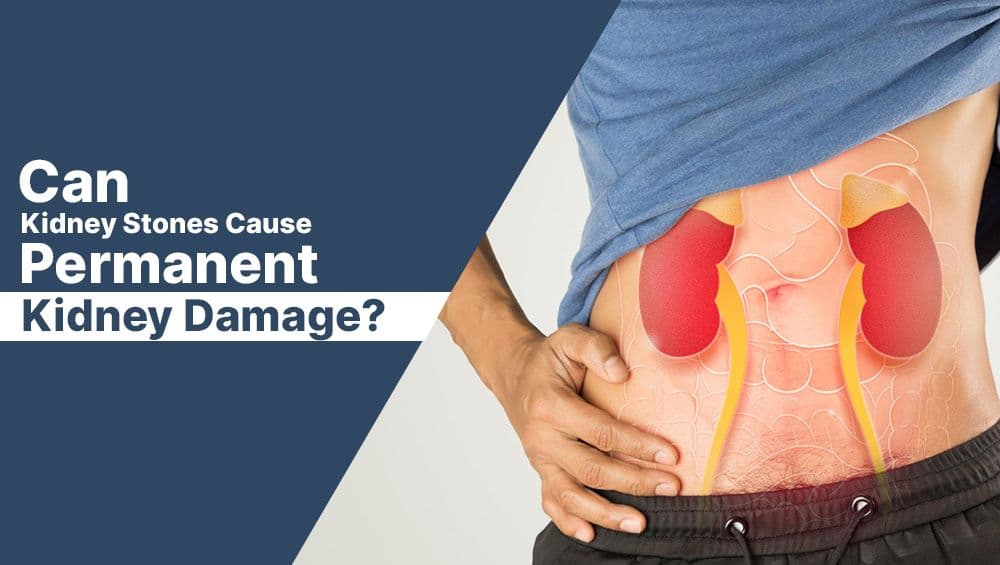
Kidney Stones
Can Kidney Stones Cause Permanent Kidney Damage?
Kidney stones or lithiasis are some of the most common urological problems globally, impacting roughly 80% of the world’s population. These stones can cause sharp pain, severe discomfort, a constant urge to urinate, among other related difficulties. For the most part, kidney stones do not cause long-lasting issues since most pass naturally. However, there are

Kidney
How Is It Possible To Remove Kidney Stones Painlessly?
Kidney stones usually develop as a result of the accumulation of minerals and salts that kidneys filter. Most people experience extreme discomfort when the stone is being passed through the urinary tract. Nowadays, medicine has an array of techniques that aid painless non-invasive or minimally invasive kidney stones removal. In this article we discuss the

Treatment Option
Kidney Stones & the Risk of Chronic Kidney Disease
Kidney stones are a pressing health problem suffered by millions around the world and create sharp pain, discomfort, and distress. Stones are often thought of as a fleeting concern- something that requires immediate attention and agony. However, stones may entail much deeper underlying issues than what meets the eye. One of the issues of growing

Treatment Option
Do Patients Need to Be Given Anesthesia During RIRS Procedure?
If inadequately treated, renal stones, or commonly known as kidney stones, may lead to pain and health issues. One of the newest methods of treating kidney stones is Retrograde Intrarenal Surgery (RIRS). RIRS is a minimally invasive procedure that can be performed with a flexible ureteroscope which accesses the kidney stones and breaks them into

Kidney Stones
Can I Walk After RIRS Surgery? Post-Surgery Recovery
With the evolution of surgeries like Retrograde Intrarenal Surgery (RIRS), the paramount worry for patients is postoperative physical activity, specifically the timeline to d walking. This concern is justified, as getting back to normalcy is a priority for those undergoing surgery. If you are anticipating or have recently undergone RIRS, questions surrounding your mobility and
Kidney
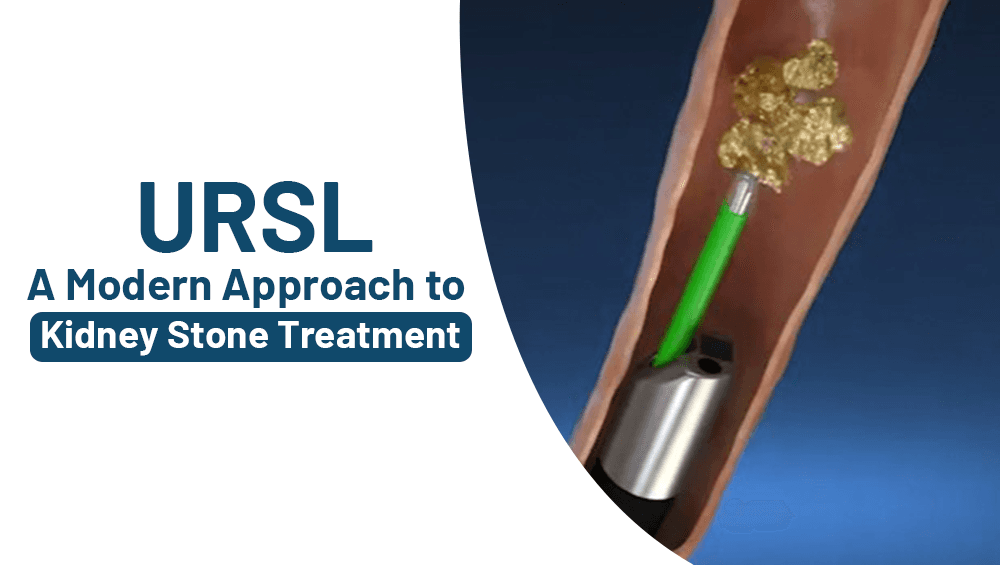
URSL: A Modern Approach to Kidney Stone Treatment
Salt and minerals form deposits which are known as kidney stones. These stones are one of the problem related to health which affects a lot of people in the worl. While these stones can lead to severe pain along with serious issues when passing through the urinary system. The severity of symptoms of the kidney

Treatment Option
Are There Any Risks of PCNL Surgery?
Percutaneous Nephrolithotomy (PCNL) is one of the most utilized surgical procedures in treating kidney stones because of its efficiency in doing so. However, like all surgical procedures, this method lacks absolute safety, as it poses some risks and complications, especially in cases of advanced kidney stones. If you’re planning to get a PCNL surgery done

Treatment Option
Is RIRS Better Than PCNL? A Detailed Comparison
The formation of kidney stones is a very common phenomenon that affects many people around the world. For many people across the globe, stones obstructing the kidney and the ureter, require surgical intervention. Some of the most effective techniques that are minimally invasive for the removal of the stones from the kidney are RIRS (Using

Treatment Option
When is FANS RIRS Used?
Flexible and Navigable Suction Ureteral Access Sheath (FANS) marks a new era in retrograde intrerenal surgery (RIRS) especially in pediatric patients. Recent researches have shown that fans-UAS improves surgical performance by increasing stone-free rates and lessen complications. The flexible and navigable design of dura allows for better access and thus increases stone fragmentation efficiency. Similarly,
Treatment Option
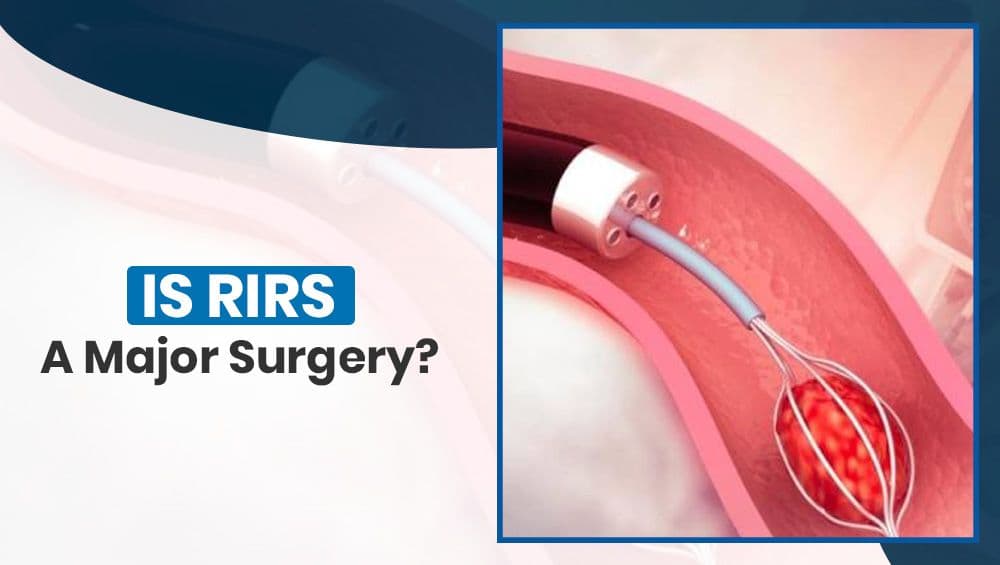
Is RIRS a Major Surgery?
RIRS is a great advancement in urology that has gained much recognition for the treatment of kidney stones. Many patients question whether RIRS should be considered a procedure that qualifies under major surgeries, especially given the severity of kidney stones. In this find out more about the classification, steps, after care, and the reason for
Treatment Option
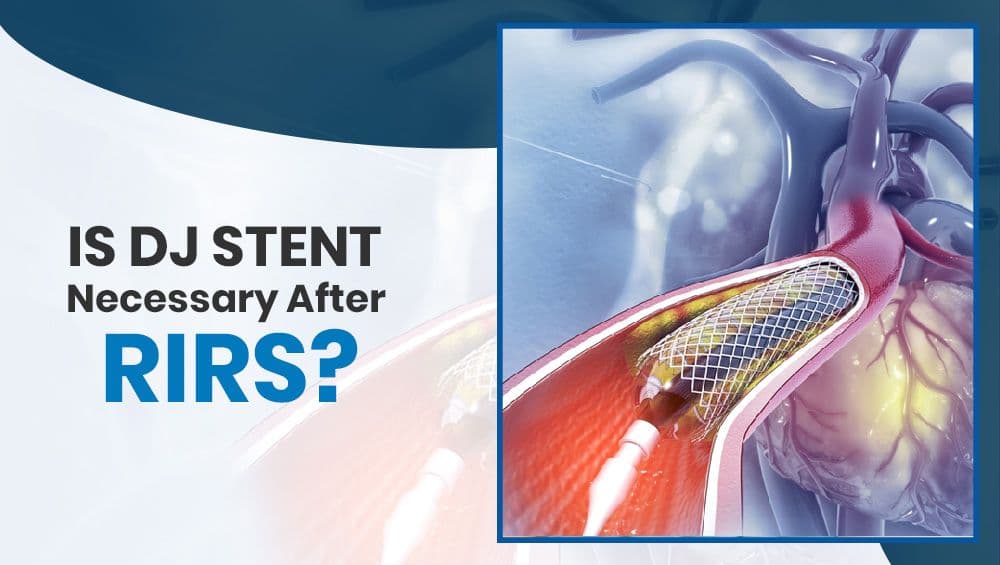
Is DJ Stent Necessary After RIRS?
Retrograde Intrarenal Surgery (RIRS) is probably the most sophisticated method developed in the last decade, as it allows for an advanced, but at the same time, minimally invasive approach to kidney stone treatment. The most frequently asked question after RIRS, however, is, do I need a DJ (Double J) stent? Patients are, and rightfully so,
Treatment Option
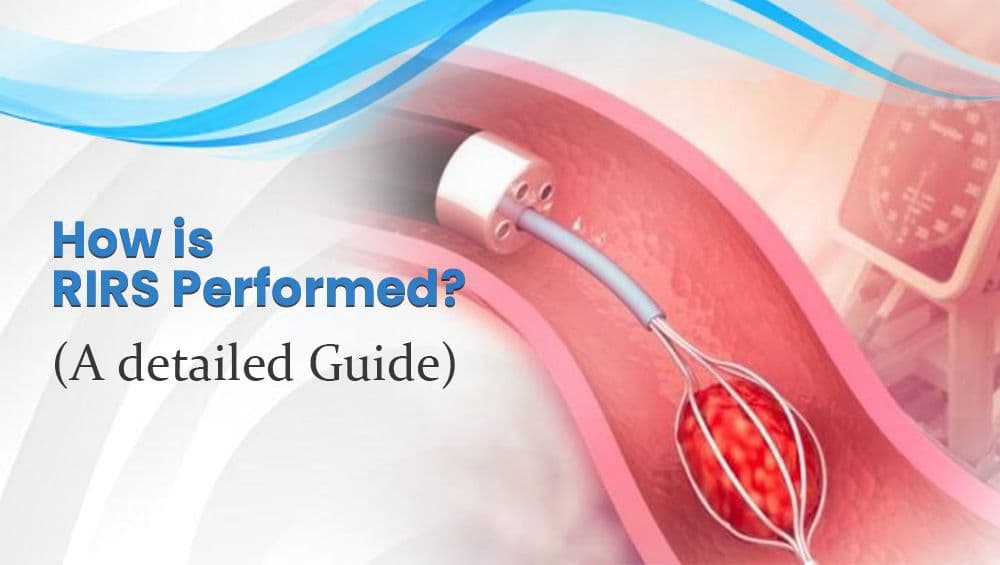
How is RIRS Performed? (A detailed Guide)
If you’re among the millions of people suffering from painful kidney stones, then you are likely to be looking for all possible ways to treat them. One the most innovative and efficient treatments used nowadays is Retrograde Intrarenal Surgery (RIRS) – an operation that provides a new approach to the treatment of kidney stones. Unlike