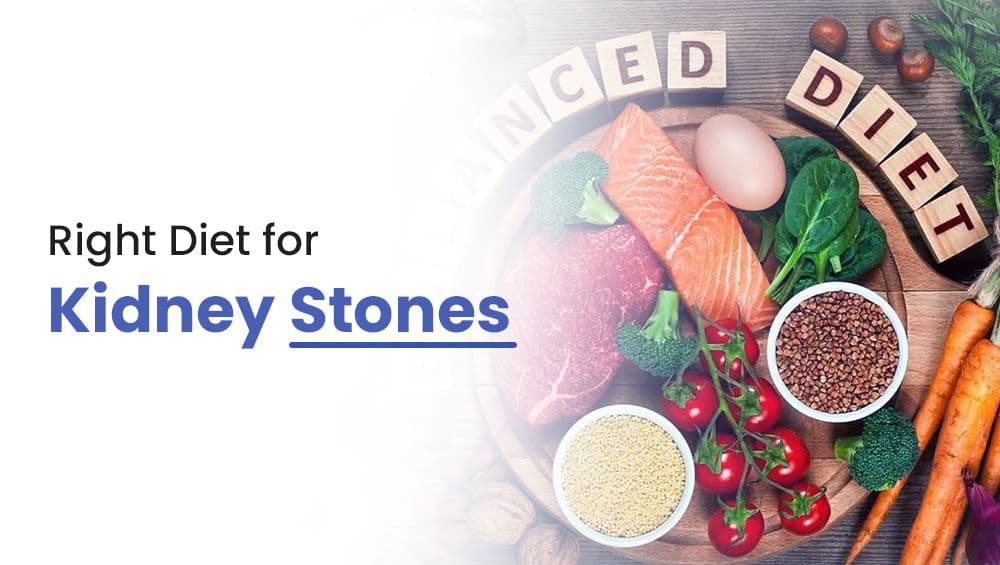
Right Diet for Kidney Stones
If you have kidney stones, you might need to follow a special diet. As you know dealing with kidney stones can be tough, but making the right dietary choices can help prevent them. In this guide, we’ll explore what foods to eat and what to avoid to keep your kidneys healthy and stone-free.
If you have kidney stones, you might need to follow a special diet. As you know, dealing with kidney stones can be tough, but making the right dietary choices can help prevent them. In this guide, we’ll explore what foods to eat and what to avoid to keep your kidneys healthy and stone-free. Whether you want to prevent kidney stones or deal with existing ones, understanding the role of diet in kidney stone formation and prevention is crucial. Let’s dive into simple and effective dietary tips for managing kidney stones.
How Do Kidney Stones Form in Your Body?
Kidney stones are hard deposits made of minerals and salts that form inside your kidneys. Here’s a simple explanation of how they develop:
- Concentration of Urine: When your urine becomes concentrated, it means there is less water and more minerals and salts. This can happen if you don’t drink enough fluids.
- Crystallization: The minerals and salts in concentrated urine start to stick together and form crystals. These crystals can grow larger over time.
- Formation of Stones: As the crystals grow, they can combine to form larger, solid stones. These stones can stay in your kidneys or move into your urinary tract.
Factors That Increase Risk:
- Dehydration: Not drinking enough water makes your urine more concentrated.
- Diet: Eating foods high in certain substances, like oxalate, salt, or protein, can increase the risk.
- Medical Conditions: Some conditions, like gout or certain urinary tract infections, can make you more likely to form stones.
- Family History: If kidney stones run in your family, you might be more prone to developing them.
Understanding how kidney stones form can help you take steps to prevent them. Drinking plenty of water, eating a balanced diet, and following your doctor’s advice can all reduce your risk of developing these painful stones.
How Does the Right Diet Affect Your Body?
Eating the right diet is essential for maintaining good health and preventing various illnesses. Here’s how a balanced diet can positively impact your body:
- Energy Levels: A diet rich in healthy carbohydrates, proteins, and fats provides the energy your body needs to function properly throughout the day. Whole grains, fruits, vegetables, and lean proteins keep you energized and help you stay active.
- Weight Management: Eating a balanced diet helps you maintain a healthy weight. Consuming the right amount of calories and nutrients prevents overeating and keeps your metabolism in check.
- Disease Prevention: A diet high in fruits, vegetables, whole grains, and lean proteins can lower the risk of chronic diseases like heart disease, diabetes, and certain cancers. These foods are rich in vitamins, minerals, and antioxidants that protect your body from damage.
- Digestive Health: Fiber-rich foods such as fruits, vegetables, and whole grains promote healthy digestion. They help prevent constipation and maintain a healthy gut.
- Mental Health: Certain nutrients, like omega-3 fatty acids found in fish, nuts, and seeds, are known to support brain health. A balanced diet can improve your mood, reduce stress, and enhance cognitive function.
- Immune System: Eating a variety of nutrient-rich foods strengthens your immune system, helping your body fight off infections and illnesses. Vitamins A, C, and E, as well as minerals like zinc and selenium, are crucial for immune health.
- Bone and Muscle Health: A diet rich in calcium and vitamin D supports strong bones, while proteins are essential for building and repairing muscles. Dairy products, leafy greens, nuts, and lean meats are good sources of these nutrients.
- Skin Health: Nutrients like vitamins A, C, and E, along with adequate hydration, keep your skin healthy and glowing. These vitamins help repair skin tissues and protect against sun damage.
The right diet affects every aspect of your health, from providing energy and maintaining weight to preventing diseases and promoting mental well-being.
What Should You Eat If You Have Kidney Stones?
If you have kidney stones or want to prevent them, your diet plays a crucial role. Here are some dietary tips to help manage and prevent kidney stones:
- Drink Plenty of Water: Staying hydrated is the most important step. Knowing how much water you should drink to prevent kidney stones is key—aim for at least 8-10 glasses of water a day. This helps dilute the substances in urine that lead to stones.
- Eat Calcium-Rich Foods: Include moderate amounts of calcium in your diet through dairy products like milk, cheese, and yogurt. Contrary to what you might think, calcium can actually help prevent certain types of kidney stones by binding with oxalate in the intestines and preventing it from entering the kidneys.
- Limit Sodium Intake: Too much salt can increase calcium levels in urine, which can lead to stone formation. Try to reduce your intake of processed foods, canned soups, and fast foods. Aim for less than 2,300 mg of sodium a day.
- Eat Oxalate-Rich Foods in Moderation: Knowing the foods that cause kidney stones is important. Limit high-oxalate foods such as spinach, beets, nuts, and chocolate. Pairing them with calcium-rich foods can help reduce oxalate absorption.
- Reduce Animal Protein: High intake of animal protein (such as red meat, poultry, eggs, and seafood) can increase uric acid and reduce citrate, which helps prevent stones. Opt for plant-based proteins like beans, lentils, and tofu.
- Choose Citrate-Rich Foods: Citrate helps prevent stone formation by binding with calcium. Include citrus fruits like oranges, lemons, and limes in your diet.
- Limit Sugar and Sugary Drinks: High sugar intake, especially from sweetened beverages, can increase the risk of stones. Avoid sodas, sweetened teas, and energy drinks.
- Eat Whole Grains: Whole grains like brown rice, whole wheat bread, and oatmeal are good choices. They provide fiber, which can help reduce the risk of stone formation.
Sample Diet Plan For Kidney Stone Patients
- Breakfast: Oatmeal with low-fat milk and a serving of fresh fruit like an orange or berries.
- Lunch: A mixed salad with leafy greens, tomatoes, cucumbers, and a portion of grilled chicken breast. Dress with olive oil and lemon juice.
- Snack: A small handful of almonds or a piece of fruit.
- Dinner: Grilled fish with a side of quinoa and steamed broccoli.
- Hydration: Water throughout the day, with an occasional glass of lemonade made with fresh lemons.
Following these dietary guidelines can keep your kidneys healthy while greatly reducing the risk of recurrence. Always consult with a healthcare provider or a registered dietitian for personalized advice.
Pain-Free Solution For Kidney Stones at CureStone
Passing a kidney stone can be very painful and uncomfortable. At CureStone, we provide advanced treatment options like RIRS (Retrograde Intrarenal Surgery) to ensure a pain-free and comfortable solution for kidney stone removal. RIRS is a minimally invasive procedure that uses a flexible endoscope to remove the stone without causing pain or discomfort.
At CureStone, we specialize in advanced treatments to remove kidney stones with minimal discomfort. Our patients benefit from treatments like RIRS, which allow for a pain-free and efficient removal process. We prioritize your comfort and well-being, ensuring that the stone removal process is as smooth and painless as possible.
Frequently Asked Questions (FAQs)
Should I stop eating calcium if I have calcium oxalate kidney stones?
No, you should not stop consuming calcium. In fact, getting calcium through your diet (like milk or yogurt) is protective. Dietary calcium binds with oxalates in your digestive tract, preventing them from being absorbed into your bloodstream and forming stones in your kidneys.
Are lemons and oranges good for kidney stones?
Yes! Citrus fruits like lemons, oranges, and limes are high in natural citrate. Citrate binds with calcium in the urine, blocking stone formation and preventing existing stones from getting larger.
Does a high-protein diet cause kidney stones?
Diets very high in animal protein (such as red meat, poultry, pork, and seafood) can increase the risk of kidney stones. High animal protein intake increases uric acid in your urine and lowers citrate levels, creating an ideal environment for both uric acid and calcium stones to form. Plant-based proteins are a safer alternative.
How does drinking water prevent kidney stones?
Water dilutes your urine, making it less concentrated. When your urine is diluted, the minerals and salts that cause kidney stones don't have the opportunity to crystallize and clump together.
What drinks should I strictly avoid?
You should avoid sugary sodas, energy drinks, and heavily sweetened teas. Colas, in particular, contain high amounts of phosphoric acid, which can contribute to the formation of kidney stones.
Have Questions About This Topic?
Get a personalized consultation at Cure Stone Hospital, Sector 52, Gurgaon.
Book Consultation