
Logo
Diet Tool

7-Day Kidney Stone Diet Chart & Personalized Diet Planner

Answer a few questions and get food guidance, hydration targets and a full 7-day meal plan — tailored to your stone type and status.

Let's create your personalized diet plan

Answer a few quick questions so we can suggest the right food guidance for your stone health.
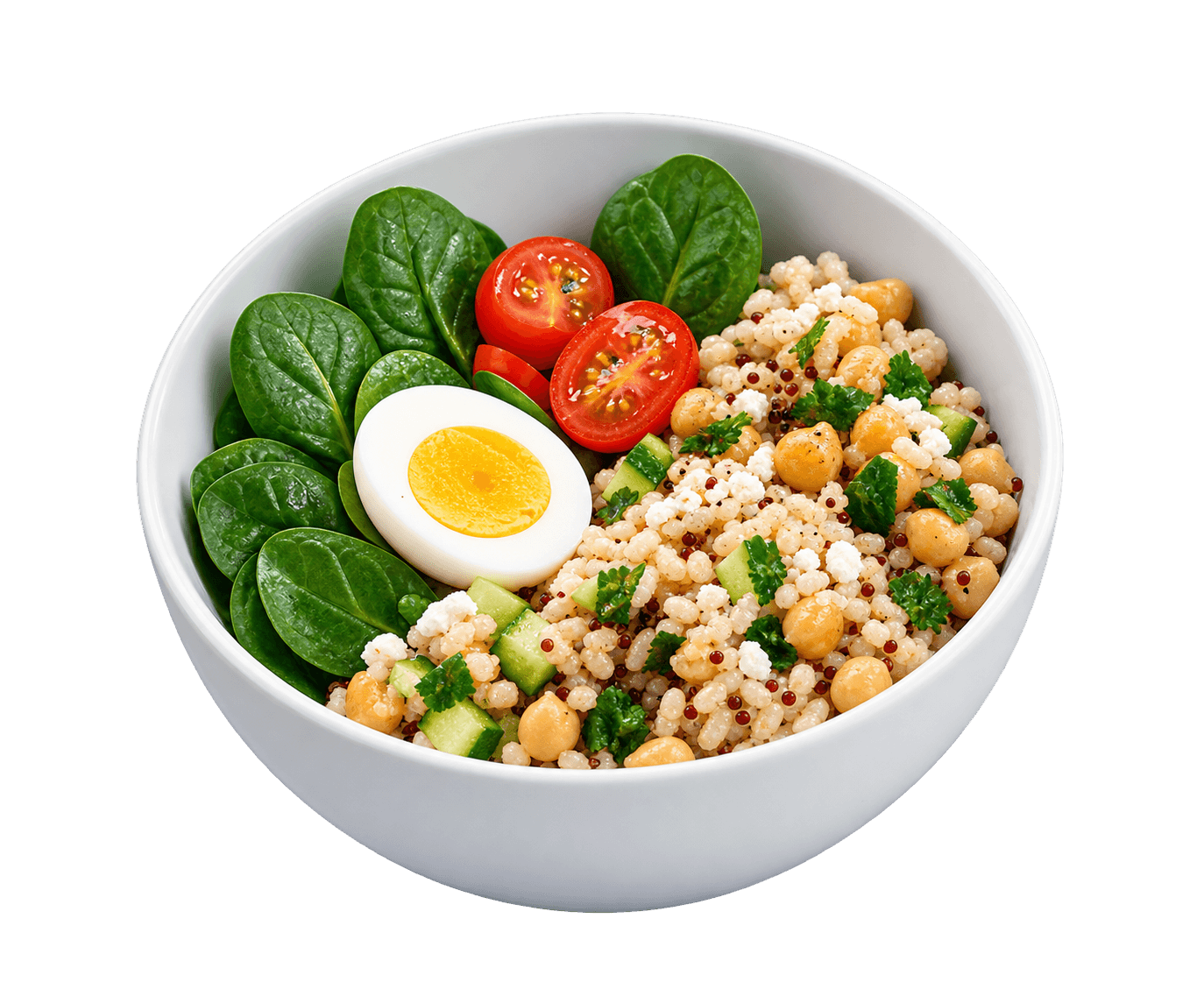
Healthy salad bowl

7-Day Indian Kidney Stone Diet Chart

A general-purpose starting point using everyday Indian meals. It isn't personalized to your stone type — use the planner above for guidance tailored to you.

DayBreakfastLunchEvening SnackDinner
1Vegetable poha + a glass of buttermilkRoti, moong dal, lauki (bottle gourd) sabzi, cucumber saladFresh coconut waterRoti, dal, steamed rice
2Idli, sambar (light on tomato), coconut chutneyRice, rajma (moderate portion), cabbage sabziOrange or sweet limeChapati, paneer bhurji, sautéed beans
3Vegetable upma + curdRoti, arhar dal, bhindi (okra) sabziRoasted chana + lemon waterVegetable khichdi + curd
4Besan chilla + mint chutneyRice, moong dal, cauliflower sabziBanana + a few almondsRoti, light egg curry, salad
5Oats porridge with milkRoti, chana dal, pumpkin sabziWatermelon slicesVegetable pulao + raita
6Stuffed roti (aloo/gobi, light masala) + curdRice, masoor dal, tinda sabziCoconut water + roasted makhanaRoti, light chicken curry (lean cut), salad
7Vegetable daliya (broken wheat)Roti, dal, lauki sabzi, saladFresh fruit bowlKhichdi + curd

Illustrative chart, not a clinical prescription. Portions and substitutions should follow your doctor's advice, particularly if you have reduced kidney function, diabetes, or are pregnant.

Foods to Eat and Avoid with Kidney Stones

Generally Safe to Eat

  • Water and citrus drinks — lemon or orange water through the day
  • Low-oxalate vegetables — cabbage, cauliflower, cucumber, bottle gourd
  • Dairy in normal amounts — milk, curd, paneer (don't restrict calcium)
  • Whole grains in moderate portions — rice, roti, oats, daliya
  • Low-oxalate fruits — apple, watermelon, banana, citrus fruits

Limit or Avoid

  • Excess salt and packaged or processed foods
  • High-oxalate foods in large amounts — spinach, beetroot, excess nuts
  • Excess animal protein and organ meats, especially for uric acid stones
  • Sugary drinks, and generally low overall fluid intake

Diet Plans for Different Kidney Stone Types

Diet guidance isn't one-size-fits-all — it depends on what your stones are made of.

Calcium Oxalate Stones

The most common type.

Diet focuses on moderating high-oxalate foods while keeping sodium low — sodium drives urinary calcium loss regardless of stone type. Dietary calcium is never restricted; low calcium intake actually raises oxalate absorption.

Uric Acid Stones

Linked to purine intake.

Diet shifts toward limiting high-purine foods — organ meats, excess red meat and certain seafood — since purine breakdown raises uric acid. Plant proteins are generally better tolerated than animal protein here.

Struvite Stones

Infection-driven.

These form from urinary tract infections, so treatment is primarily medical (antibiotics, sometimes surgery) rather than dietary. Diet plays a smaller supporting role — general low-oxalate, low-sodium eating still helps.

Cystine Stones

A rarer, genetic type.

Diet focuses on keeping sodium low and fluid intake high, since both directly affect how much cystine the kidneys need to excrete. This type benefits from the highest hydration targets of the four.

How to Use Your Personalized Diet Plan

The chart above is a general starting point. For guidance that accounts for your specific stone type, weight, activity level and dietary preference — including your own hydration and sodium targets and a full 7-day meal plan — answer a few questions in the planner above.

Start Diet Planner

Want broader general nutrition advice too? Read our full guide on the right diet for kidney stones →

Frequently Asked Questions

There's no single diet for every stone — it depends on the stone type. In general: drink enough water to pass 2.5–3 litres of urine a day, keep sodium (salt) low, don't restrict dietary calcium, and limit high-oxalate foods and excess animal protein. Our diet planner personalizes this based on your stone type and profile.

The foods to limit depend on the stone type. For the most common type (calcium oxalate), high-oxalate foods like spinach, beetroot and nuts, plus excess salt and red/organ meat, are the main ones to moderate. For uric acid stones, high-purine foods like organ meat and certain seafood matter more. Avoid guessing — our planner tiers foods by your specific stone type.

No — this is a common myth. Low dietary calcium actually increases oxalate absorption and raises stone risk. Most guidelines recommend normal calcium intake (around 1000–1200mg/day) from food, ideally eaten alongside oxalate-rich foods rather than avoided.

Most adults with a history of kidney stones are advised to drink enough fluid to produce at least 2.5 litres of urine a day — for an average adult this is often 3–3.5 litres of water, spread through the day rather than all at once. Your exact target depends on your weight, activity level and climate; our diet planner calculates this for you.

Citrus fruits — lemon, orange and sweet lime — are especially helpful since their citrate content can reduce stone formation. Most fruits are low-oxalate and safe; a few (like berries in large amounts) are higher in oxalate and best eaten in moderation.

Yes. Calcium oxalate stones (the most common type) respond to oxalate and sodium control. Uric acid stones respond more to limiting animal protein and purines. Struvite stones are infection-driven, so diet plays a smaller role. Cystine stones need sodium and fluid management. Our planner asks your stone type and adjusts accordingly.

Post-surgery, hydration is the priority — fluid intake is often recommended slightly higher than the general prevention target to help flush the urinary tract. Keep meals light for the first few days, maintain normal sodium and calcium intake, and avoid very high-oxalate foods until you've followed up with your surgeon.

It can help for some stone types — lower animal protein intake reduces uric acid and calcium excretion, which benefits calcium oxalate and uric acid stone formers. It isn't required, though: a non-vegetarian diet is fine with moderated portions of red meat and organ meat. Our planner adapts its recommendations to your dietary preference either way.

Yes — a kidney stone diet chart can include familiar Indian foods like roti, rice, dal, seasonal vegetables and curd. Portions and specific food choices should still be adjusted to your stone type and medical history, which is exactly what our planner personalizes beyond the general 7-day chart above.

A sample day could include vegetable poha with curd for breakfast, roti with dal and vegetables for lunch, and rice with a balanced vegetable dish for dinner. Exact choices should be personalized, particularly if you have calcium oxalate or uric acid stones — see the 7-day chart above for a full week of ideas.

Generally yes — rice and dal can be part of a kidney-stone-friendly diet. The right portions depend on your stone type, overall protein intake, and other conditions like chronic kidney disease, so check with your doctor if you have additional health concerns.

A low-oxalate approach limits particularly high-oxalate foods — spinach, rhubarb, certain nuts — when clinically appropriate, while still eating adequate calcium from food (ideally alongside oxalate-rich foods) and keeping sodium in check. It's the most common dietary approach since calcium oxalate is the most common stone type.

Yes, for most people with calcium oxalate stones, normal dietary calcium from milk and curd is beneficial rather than harmful — calcium binds oxalate in the gut, reducing how much gets absorbed. Don't restrict dietary calcium unless your doctor specifically advises it.

Yes, as part of a prevention routine — lemon water supports hydration and provides citrate, which helps reduce stone formation. It can't dissolve an existing stone or replace medical treatment, though.

You can start with general habits — adequate hydration, moderate salt, balanced meals — covered in the 7-day chart above. A personalized prevention plan is more effective once your stone type is known from a lab test, which is why our planner asks for it (optionally) if you have it.

High-purine foods — organ meats, excess red meat, certain seafood — are the main ones to limit. Maintaining a healthy weight and leaning toward more plant-based proteins also helps. Follow your clinician's specific advice for your case.

Dietary changes meaningfully reduce recurrence risk, especially combined with adequate fluid intake and any medical management your doctor recommends. No single diet guarantees complete prevention — the right approach depends on your specific stone type and cause.

Yes, as general educational guidance — but diabetes, reduced kidney function and similar conditions often need special adjustments to fluid, protein, potassium and other nutrients beyond what a general kidney-stone diet covers. Have any plan reviewed by your treating doctor before making major changes.