How can I get immediate relief from kidney stone pain?
Medically termed as renal colic, kidney stone pain is often experienced as an excruciating ordeal. The severe discomfort occurs when a stone blocks the urinary flow through the tract and results in zinging and cramping pain centralized in the back and sides and sometimes extends to the lower abdomen and groin area.
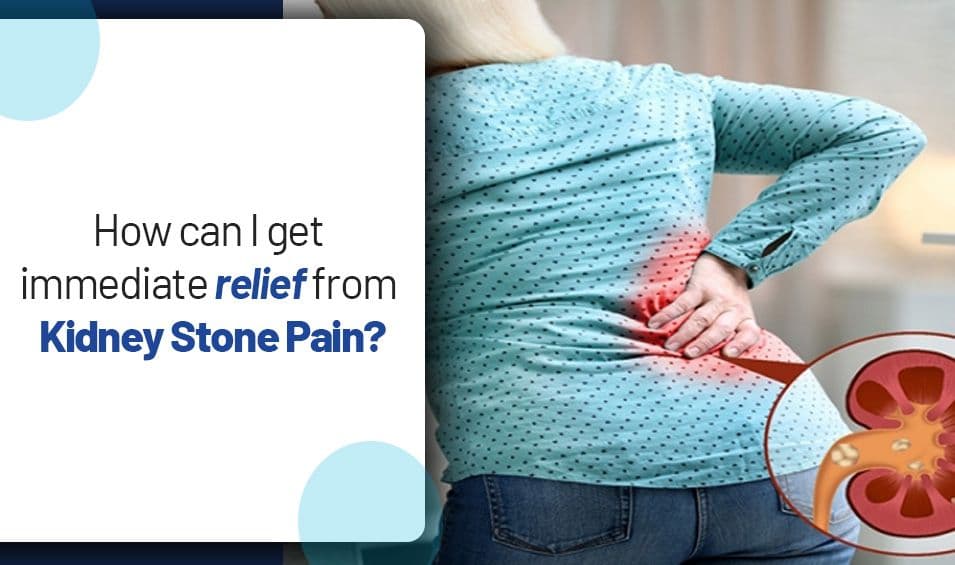
Kidney stone pain, medically termed renal colic, is often described as one of the most intense forms of physical discomfort. It occurs when a stone becomes lodged in the urinary tract, obstructing urine flow and causing pressure to build up in the kidney. This leads to sharp, cramping pain centered in the back and side (flank) that often radiates down to the lower abdomen and groin.
Knowing how to manage renal colic safely at home—and recognizing when immediate medical attention is required—is essential for protecting your health and finding swift relief.
In this guide, we break down immediate pain relief strategies, medical therapies, treatment options, and preventive steps.
Understanding Kidney Stones & Common Symptoms
Kidney stones develop when urine becomes overly concentrated, causing minerals like calcium, oxalate, and uric acid to crystallize and form hard deposits.
Key Symptoms of Renal Colic
- Severe, sharp pain in the side, back, or below the ribs that comes in waves.
- Pain radiating toward the lower abdomen, groin, or upper thigh.
- Pain or a burning sensation during urination (dysuria).
- Pink, red, or brownish urine (hematuria).
- Cloudy or foul-smelling urine.
- Persistent nausea and vomiting caused by shared nerve pathways between the kidneys and GI tract.
- Sudden, urgent, or frequent need to urinate.
- Fever and chills if a urinary tract infection (UTI) is present alongside an obstruction.
How to Get Relief from Kidney Stone Pain
For mild to moderate kidney stone pain, the following immediate steps can help alleviate discomfort while waiting for the stone to pass:
- Over-the-Counter Pain Relievers: Non-Steroidal Anti-Inflammatory Drugs (NSAIDs) such as ibuprofen or naproxen are highly effective for renal colic. They reduce swelling in the ureteral lining and lower fluid pressure inside the kidney. Always consult a healthcare provider if you have underlying stomach, heart, or kidney conditions.
- Aggressive Hydration: Drink 2.5 to 3 liters of water daily to maintain pale, clear urine. Fluid intake helps generate urinary pressure that can assist in pushing small stone fragments through the tract. Adding fresh lemon juice provides natural citrate, which helps inhibit further stone growth.
- Medical Expulsive Therapy (MET): A urologist may prescribe alpha-blockers like tamsulosin. These medications relax the smooth muscle walls of the ureter, reducing spasms and helping stones pass faster with less pain.
- Targeted Heat Application: Applying a heating pad or hot water bottle to the lower back or flank area relaxes tight abdominal and back muscles, easing localized cramps.
- Supportive Body Positioning: Lying on your side in a fetal position with knees bent, or lying on your back with a pillow supporting your knees, can take direct pressure off the painful kidney.
Warning Signs: When to Seek Immediate Medical Attention
Home remedies are only suitable for uncomplicated stone passage. Seek emergency medical care immediately if you experience any of the following warning signs:
- Unmanageable, severe pain that does not respond to prescribed or over-the-counter medication.
- High fever or chills, which indicates a potentially life-threatening infected, blocked kidney.
- Persistent nausea and vomiting that prevents you from keeping fluids or medications down.
- Complete inability to pass urine or severe urinary retention.
Modern Surgical Options for Persistent Stones
When a stone is too large to pass, causes complete blockage, or produces unbearable pain, modern endourology offers quick, minimally invasive solutions:
- Retrograde Intrarenal Surgery (RIRS): A 100% incision-free procedure using an ultra-thin flexible scope passed through natural pathways. A high-precision laser pulverizes the stone into fine dust. Upgraded techniques like FANS RIRS (Suction RIRS) actively vacuum out this dust during surgery for enhanced safety and clearance.
- Extracorporeal Shock Wave Lithotripsy (ESWL): A non-invasive external procedure that uses acoustic shock waves to shatter soft-to-medium stones into smaller, passable pieces.
- Ureteroscopy (URS): Ideal for stones trapped in the ureter. A scope reaches the stone through natural passages to extract it directly or break it apart with a laser.
- Percutaneous Nephrolithotomy (PCNL): A specialized keyhole surgery (~1 cm incision in the back) designed for massive (> 2 cm), complex, or staghorn stones.
Preventive Measures to Stop Stone Recurrence
Preventing future kidney stones relies on simple, long-term lifestyle habits:
- Hydrate Daily: Maintain a consistent fluid intake to ensure clear, diluted urine throughout the day.
- Reduce Sodium Intake: Excess salt causes the kidneys to excrete more calcium into the urine, increasing stone risk.
- Balance Dietary Oxalates: Pair oxalate-rich foods (spinach, nuts, chocolate) with calcium-rich foods during meals so they bind together in the gut rather than forming stones in the kidneys.
- Moderate Animal Protein: High intake of red meat and poultry increases uric acid levels in urine.
Consult Top Kidney Stone Specialist Dr. Deepanshu Gupta
When facing acute renal colic, getting an expert diagnostic evaluation ensures quick pain relief and prevents irreversible kidney damage.
Dr. Deepanshu Gupta at Cure Stone is a leading endourologist in Gurgaon with extensive clinical expertise, having successfully performed over 9,500 endoscopic procedures. Specializing in advanced, incision-free techniques like radiation-free (fluoroscopy-free) RIRS, high-efficiency FANS RIRS suction laser surgery, and Mini-PCNL, Dr. Gupta provides tailored, compassionate care focused on rapid relief and long-term kidney health.
Don't endure unnecessary pain. Book a consultation with Cure Stone today for an expert evaluation and personalized treatment plan!
Frequently Asked Questions (FAQs)
What is the fastest way to stop kidney stone pain at home?
Taking an NSAID pain reliever (like ibuprofen or naproxen), applying a heating pad to your back, and drinking plenty of water while resting in a comfortable position offer the fastest home relief for mild to moderate renal colic.
Can an alpha-blocker like tamsulosin help pass a kidney stone?
Yes. Alpha-blockers relax the smooth muscles of the ureter, which reduces painful spasms and allows small to medium stones (up to 6 mm) to pass more quickly and comfortably.
Is blood in the urine normal when passing a kidney stone?
Yes. As the sharp edges of a kidney stone move down the narrow ureter, they can cause minor scraping along the tissue lining, leading to pink or reddish-tinted urine (hematuria). Drinking extra water helps clear this up.
Have Questions About This Topic?
Get a personalized consultation at Cure Stone Hospital, Sector 52, Gurgaon.
Book Consultation