What is Interstitial Cystitis(IC)/Bladder Pain Syndrome?
Interstitial Cystitis (IC) or Bladder Pain Syndrome (BPS) is a disorder that frequently causes pressure, loss, or distortion of the bladder and pelvic structures while also causing some form of pain in these areas.
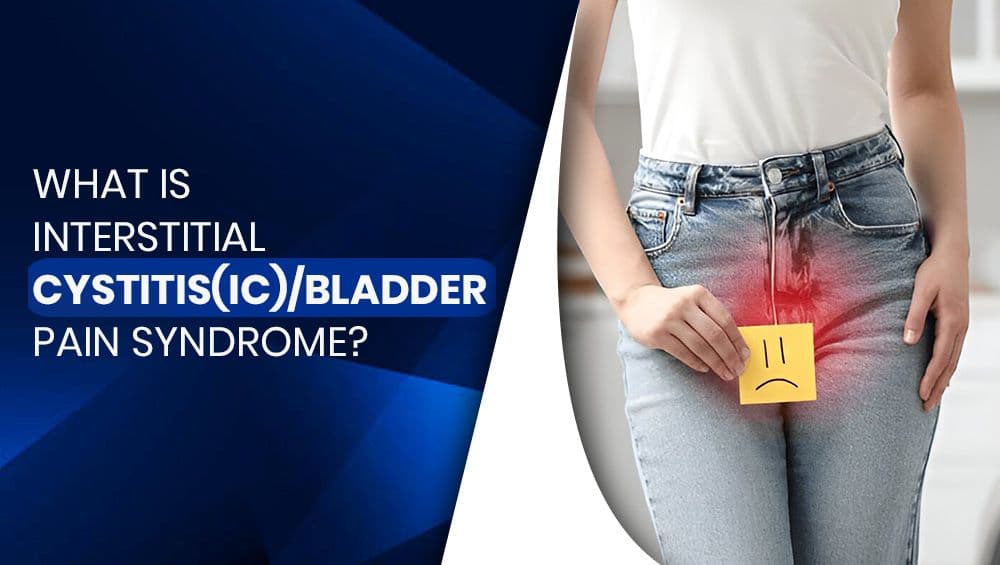
Interstitial Cystitis (IC), also known as Bladder Pain Syndrome (BPS), is a chronic disorder that frequently causes immense pressure, discomfort, and sharp pain in the bladder and pelvic structures. What easily distinguishes IC from other bladder syndromes, which are typically due to bacterial infections, is the lack of a clear, discernible cause.
Because it does not respond to standard urinary tract infection treatment, it complicates the procedure to diagnose, create an appropriate management plan, and provide necessary relief for an individual suffering from this disorder. This means that daily routine activities can be overshadowed by chronic pain, alongside an aggressive and constant urge to void urine dozens of times a day.
This blog seeks to create awareness about Interstitial Cystitis, explaining in detail the symptoms you might experience, what may cause the condition, and how it can be successfully managed so you can reclaim your quality of life.
What Happens in Interstitial Cystitis (IC)?
Interstitial Cystitis is a chronic condition characterized by persistent discomfort or pain in the bladder and pelvic region. Unlike typical urinary tract infections, IC does not result from bacterial infections and will not improve with standard antibiotic treatments.
Key Features of IC
- Bladder Pain: Individuals experience varying degrees of pain, ranging from a dull ache to sharp, piercing sensations. This pain often intensifies as the bladder fills and briefly alleviates immediately after urination.
- Increased Urinary Frequency: A frequent need to urinate, including waking up multiple times during the night, is highly common. In severe cases, this can lead to urination up to sixty times a day.
- Urgency: A persistent, overwhelming sensation of needing to urinate immediately, even after just emptying the bladder completely.
- Discomfort During Sexual Activity: Many individuals report severe pain during sexual intercourse, which can deeply affect intimate relationships and mental well being.
Potential Causes
The exact cause of Interstitial Cystitis remains unclear to medical researchers, but several biological factors may contribute to its development:
- Defective Bladder Lining: A compromised bladder lining may allow irritating chemical substances naturally found in urine to penetrate and inflame the bladder wall.
- Autoimmune Response: The body’s immune system may mistakenly attack healthy bladder tissues, causing chronic inflammation.
- Nerve Hypersensitivity: An increased sensitivity of the pelvic nerves can amplify normal bladder sensations into severe pain signals.
Diagnosis
Diagnosing IC involves ruling out other urological conditions with similar symptoms, such as acute infections, kidney stones, or bladder cancer. Healthcare providers typically use:
- Medical History and Symptom Assessment: A highly detailed evaluation of your exact symptoms, their duration, and your daily habits.
- Urinalysis: Laboratory analysis of your urine to exclude bacterial infections or the presence of unexplained blood in the urine.
- Cystoscopy: A procedure using a thin camera called a cystoscope to visually inspect the interior of the bladder for ulcers, structural abnormalities, or inflammation.
The Treatment of Interstitial Cystitis
While there is no definitive, one-size-fits-all cure, various advanced treatment strategies aim to alleviate symptoms and drastically improve your overall quality of life.
- Lifestyle and Behavioral Modifications: Eliminating foods and beverages that irritate the bladder, such as caffeine, alcohol, and highly acidic foods, can help reduce symptoms. Bladder training techniques can also gradually increase the intervals between urination to improve your bladder capacity.
- Physical Therapy: Specialized pelvic floor physical therapy can help relax tense pelvic muscles and reduce the chronic pain associated with IC.
- Medications: Oral options include targeted pain relievers, antihistamines, and pentosan polysulfate sodium, which may help restore the protective lining of the bladder over time.
- Bladder Instillations: Introducing therapeutic liquid solutions directly into the bladder through a catheter can provide rapid soothing relief. Combinations may include lidocaine, heparin, and sodium bicarbonate to repair the bladder lining.
- Neuromodulation Therapy: Techniques such as sacral nerve stimulation can modulate erratic nerve impulses traveling to the bladder, significantly reducing urgency and pain.
- Botulinum Toxin Injections: Botox injections into the bladder muscle can be used to treat severe IC symptoms by relaxing the overactive bladder tissues.
- Surgical Interventions: Considered only in severe, refractory cases that do not respond to other therapies, options include substitution cystoplasty or urinary diversion.
It is essential to work closely with a highly specialized healthcare provider to develop a personalized treatment plan, as responses to therapies can vary wildly among individuals. Regular follow ups and adjustments to the regimen are usually necessary to achieve optimal symptom management.
Consult Cure Stone Today
Dr. Deepanshu Gupta is a highly esteemed urologist in Gurgaon, India, with over 12 years of specialized expertise in endourology, andrology, and complex urological conditions. He has successfully performed more than 8,000 endoscopic surgeries, specializing in advanced, patient-centric treatments that prioritize your comfort and long-term health.
Do not let chronic bladder pain dictate your life. Book a consultation with Cure Stone today to benefit from his extensive diagnostic experience and highly personalized care.
Frequently Asked Questions (FAQs)
Is Interstitial Cystitis the same as a UTI?
No, while the symptoms like severe urgency and burning can feel identical, a urinary tract infection is caused by bacteria and can be cured with antibiotics. Interstitial Cystitis is a chronic inflammation of the bladder wall with no bacterial cause.
Can changing my diet really help with bladder pain?
Absolutely. Many patients find that highly acidic foods, citrus, tomatoes, artificial sweeteners, and caffeine act as severe triggers that inflame the bladder lining. Identifying and removing these triggers can drastically reduce daily pain.
Is there a permanent cure for Interstitial Cystitis?
Currently, there is no absolute cure for IC. However, with the right combination of bladder instillations, physical therapy, and expert medical guidance, the vast majority of patients achieve medical remission and live normal, comfortable lives.
When should I see a urologist for bladder pain?
If you have been experiencing pelvic pressure, frequent urination, or bladder pain for more than six weeks, and antibiotics have not helped, you should book a consultation with a urologist immediately for a proper evaluation.
Have Questions About This Topic?
Get a personalized consultation at Cure Stone Hospital, Sector 52, Gurgaon.
Book Consultation