How to Avoid Getting a UTI After Sex
An infection of the urinary tract, also known as UTI, is when bacteria enter the urinary tract, which includes the bladder, urethra and kidneys. Anyone can get UTI but women are more likely to develop UTI.
An infection of the urinary tract (UTI) occurs when bacteria enter the urinary tract, which includes the bladder, urethra, and kidneys. While anyone can develop a UTI, women are significantly more susceptible, with sexual activity being one of the primary triggers. Any intimate contact near the genital area can accidentally transfer bacteria into the urethra. The Centers for Disease Control and Prevention (CDC) estimates that between 50% and 60% of adult women will experience at least one UTI in their lifetime. The risk increases with age, doubling for women over 65. Understanding why sexual activity increases UTI risk and adopting simple, effective prevention habits can help you maintain optimal urinary health and remain comfortable.
Why Does Sex Increase Your Risk of Getting a UTI?
During sexual interaction, friction and physical contact can shift bacteria from the perineal and anal regions toward the urethral opening. Women are at a higher risk than men because the female urethra is much shorter (about 4 cm long) and positioned close to the vagina and anus. This short distance allows bacteria, primarily Escherichia coli (E. coli), to travel quickly up into the bladder. UTIs are not limited to penetrative intercourse—oral sex, manual stimulation, or any intimate contact can introduce bacteria. Individuals with a history of recurrent infections, urinary tract variations, or weakened immune systems face a heightened risk.
9 Practical Steps to Reduce UTI Risk After Sex
Making small, consistent adjustments to your routine can significantly lower your chances of developing a urinary tract infection:
- Urinate Within 30 Minutes After Sex: Urinating immediately after intercourse generates a natural fluid stream that flushes out bacteria that may have entered the urethra.
- Maintain Daily Hydration: Drink at least 2 to 3 liters of water daily. Frequent urination keeps the urinary tract regularly flushed. Learn why hydration is necessary for kidney health.
- Cleanse the Genital Area Gently: Wash gently before and after intimacy using warm water. Avoid harsh soaps, perfumed body washes, or vaginal douching, as these disrupt natural pH levels and beneficial vaginal flora.
- Wipe from Front to Back: Always wipe from front to back after using the bathroom to prevent intestinal bacteria from transferring toward the urethra.
- Wear Breathable Cotton Underwear: Cotton underwear promotes air circulation and reduces moisture accumulation, whereas synthetic fabrics trap heat and moisture, encouraging bacterial growth.
- Prefer Showers Over Prolonged Baths: Long baths in soapy water can irritate the urethral opening and introduce bacteria. Quick showers are a cleaner alternative.
- Avoid Spermicides and Fragranced Products: Spermicides, diaphragm caps, and chemical lubricants can irritate the urethral lining and alter normal bacterial flora. Choose mild, water-based lubricants instead.
- Do Not Hold Urine: Empty your bladder every 2 to 3 hours. Holding urine allows bacteria time to multiply inside the bladder.
- Practice Shared Hygiene: Both partners should wash hands and maintain good personal hygiene prior to intimate activity to minimize bacterial transfer.
Who Is at Higher Risk for Recurrent UTIs?
While anyone can develop a UTI, certain factors increase susceptibility:
- Postmenopausal Women: Reduced estrogen levels lead to thinning and drying of urethral tissues (atrophic urethritis), lowering natural bacterial defense.
- Frequent Intercourse or New Sexual Partners: Introduces new bacterial strains to the urogenital tract.
- Underlying Health Conditions: Diabetes, obesity, or immunosuppression impair the body's natural immune responses.
- Urinary Tract Obstructions: Structural abnormalities, kidney stones, or an enlarged prostate (BPH) prevent complete bladder emptying.
Common Symptoms of a Post-Sex UTI
Symptoms usually develop within 24 to 72 hours following sexual activity:
- A sudden, urgent need to urinate, often passing only small amounts
- A sharp burning or stinging sensation during urination
- Pelvic pressure or lower abdominal discomfort
- Cloudy, dark, or strong-smelling urine
- Visible pink, red, or brownish blood in urine (hematuria)
Signs the Infection Has Spread to the Kidneys
If bacteria migrate up the ureters into the kidneys (pyelonephritis), you may experience:
- Severe flank or lower back pain
- High fever, chills, and rigors
- Persistent nausea and vomiting
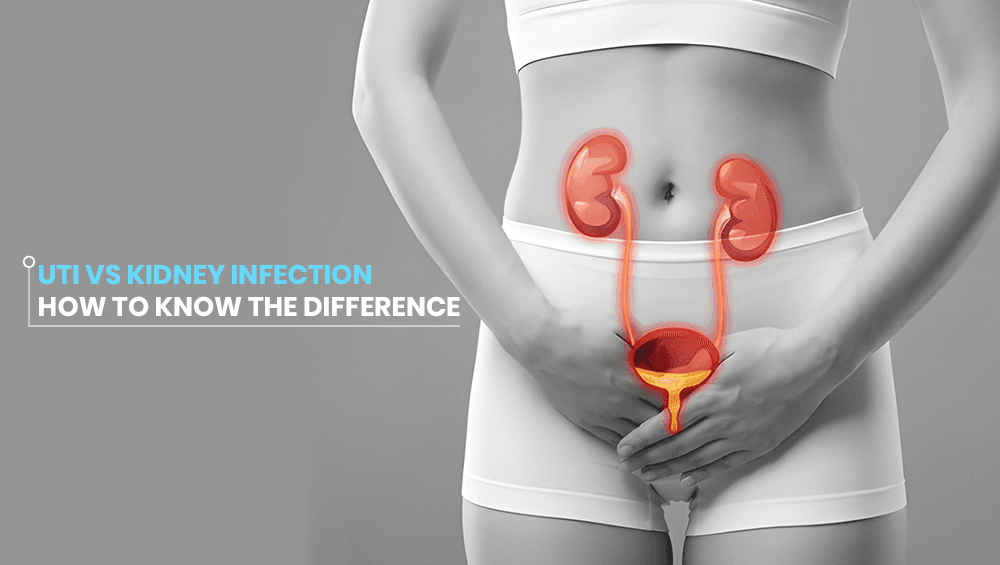
Read our full comparison on UTI vs. kidney infection.
Medical Diagnosis and Treatment
If you suspect a UTI, consult a physician promptly. Self-treatment with home remedies alone is insufficient for clearing an active bacterial infection.
- Diagnostic Tests: A standard urinalysis and urine culture identify the specific bacterial strain and guide the correct antibiotic choice.
- Antibiotic Therapy: A short course of targeted oral antibiotics usually resolves uncomplicated bladder infections within 3 to 5 days.
- Prophylactic Measures: For women with frequent post-coital UTIs, a urologist may prescribe a low-dose post-intercourse antibiotic or vaginal estrogen therapy for postmenopausal women.
Read more on cranberry juice and urinary tract infections to understand its role in prevention.
Expert Urological Care in Gurgaon
If you experience recurring UTIs, severe burning during urination, or flank pain, do not ignore the symptoms. Prompt evaluation by an experienced urologist prevents simple bladder infections from escalating into complex kidney issues. For specialized urological consultation in Gurgaon and Delhi NCR, consult Dr. Deepanshu Gupta. With over 15 years of surgical experience and thousands of successful procedures, Dr. Gupta provides accurate diagnostic evaluations and personalized prevention plans.
Frequently Asked Questions
Can a UTI resolve on its own without antibiotics?
While mild urethral irritation might improve with high fluid intake, a true bacterial UTI requires doctor-prescribed antibiotics to fully clear the bacteria and prevent it from spreading to the kidneys.
How quickly after sex do UTI symptoms appear?
Symptoms typically develop within 24 to 72 hours after intercourse as bacteria attach to the bladder wall and multiply.
Does drinking cranberry juice prevent post-sex UTIs?
Pure, unsweetened cranberry juice or standardized cranberry supplements contain proanthocyanidins (PACs), which help prevent E. coli from sticking to the bladder wall. While useful for prevention, it cannot cure an active infection. Read is cranberry juice good for kidney stones.
What should I do if I get UTIs every time I have sex?
Consult a urologist for a thorough evaluation. Treatment options may include post-coital single-dose antibiotics, localized vaginal estrogen therapy, or evaluating for underlying urinary tract variations.
Have Questions About This Topic?
Get a personalized consultation at Cure Stone Hospital, Sector 52, Gurgaon.
Book Consultation