
UTI vs Kidney Infection – How to Know the Difference
Urinary health concerns are quite common, particularly among women; however, anybody can suffer from these issues. The two most frequent concerns can be Urinary Tract Infection (UTI) and Kidney Infection. The symptoms are generally the same, including burning sensations when urinating, frequent urination or abdominal pain in the lower abdomen.
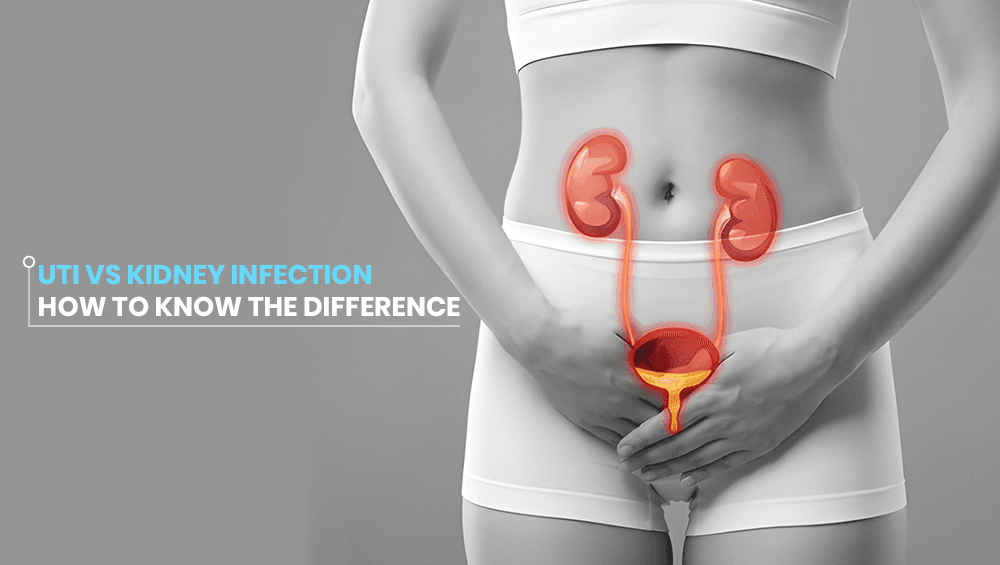
Urinary health concerns are quite common, particularly among women; however, anybody can suffer from these issues. The two most frequent concerns are Urinary Tract Infections (UTIs) and Kidney Infections. While their initial symptoms can feel similar, understanding the difference between a simple bladder infection and a severe kidney infection is crucial for seeking the right medical care. In this guide, we will break down the key differences between UTIs and kidney infections, including their symptoms, causes, risk factors, treatment options, and when to consult a specialist.
What Is a UTI?
A Urinary Tract Infection (UTI) can occur anywhere within the urinary system, including the urethra, bladder, ureters, or kidneys. Most commonly, a UTI affects the lower urinary tract, particularly the bladder (a condition known as cystitis). Common symptoms of a UTI include:
- A sharp burning or stinging feeling during urination
- A frequent and urgent need to urinate, even when passing only tiny amounts of urine
- Urine that appears cloudy, dark, or foul-smelling
- Lower abdominal pressure or discomfort
- Mild pelvic discomfort
UTIs typically occur when bacteria, such as E. coli, enter the urethra and travel upward into the bladder. Common triggers include dehydration, improper hygiene, or sexual activity. Read more on how to avoid getting a UTI after sex.
What Is a Kidney Infection?
A kidney infection (pyelonephritis) is a severe type of upper urinary tract infection. It usually occurs when bacteria travel from an untreated lower urinary tract infection up through the ureters into one or both kidneys. Typical symptoms of a kidney infection include:
- Sudden high fever, chills, and rigors
- Persistent nausea and vomiting
- Severe back or side pain (flank pain)
- General body aches, fatigue, and weakness
- Burning during urination (similar to a UTI)
- Visible pus or blood in urine (hematuria)
If left untreated, a kidney infection can cause irreversible kidney scarring, chronic renal damage, or urosepsis—a life-threatening bloodstream infection. Read more on what is kidney infection pyelonephritis.
Key Differences: UTI vs. Kidney Infection
While a UTI is typically localized to the bladder and lower urinary tract, a kidney infection involves systemic symptoms like high fever, chills, nausea, and severe flank pain.
Causes and Risk Factors
UTI Causes and Risks:
- Bacteria entering the urethra due to hygiene habits, dehydration, or sexual activity
- Biological factors: Women have a shorter urethra, making bacterial entry easier
- Menopausal hormonal changes, catheter use, diabetes, or pregnancy
Kidney Infection Causes and Risks:
- Untreated or recurrent UTIs spreading upward to the kidneys
- Blockages in the urinary tract caused by kidney stones or structural abnormalities
- Enlarged prostate (BPH) in men, pregnancy, or a weakened immune system
Diagnosis and Treatment
Both UTIs and kidney infections are diagnosed by a urologist using:
- Urinalysis: Checks for white blood cells, bacteria, and blood.
- Urine Culture: Identifies the specific bacteria to determine the most effective antibiotic.
- Diagnostic Scans: Ultrasounds or CT scans to check for underlying kidney stones or obstructions. Learn about the role of ultrasound and CT scan in diagnosing kidney stones.
Treatment Options
- UTI Treatment: A standard course of oral antibiotics prescribed by a physician, combined with increased fluid intake to flush the bladder. Discover why hydration is necessary for kidney health.
- Kidney Infection Treatment: Requires a longer course of targeted antibiotics. Severe cases involving persistent vomiting, high fever, or pregnancy may require hospitalization for intravenous (IV) antibiotics and fluid management.
When to See a Doctor
Seek immediate medical attention if you experience:
- Burning during urination combined with a high fever and chills
- Severe back, side, or flank pain
- Persistent nausea and vomiting preventing fluid retention
- Visible blood or blood clots in your urine
- Symptoms that worsen despite 24 to 48 hours of home care
Early treatment of a simple UTI prevents bacteria from migrating upward to cause a serious kidney infection.
Prevention Tips for UTIs and Kidney Infections
- Drink 2 to 3 liters of water daily to flush bacteria from the urinary system.
- Do not hold urine for extended periods; empty your bladder as soon as you feel the urge.
- Always wipe from front to back after using the bathroom to prevent bacterial transfer.
- Pass urine immediately after sexual activity to flush out any bacteria.
- Avoid harsh or scented feminine hygiene products that irritate the urethral lining.
Expert Insights from Dr. Deepanshu Gupta
While lower UTIs are common and easily treatable, a kidney infection is a medical emergency that demands prompt evaluation. If you notice persistent burning during urination, lower abdominal pain, or changes in urine color, consult a specialist early. For expert urological care in Gurgaon and Delhi NCR, consult Dr. Deepanshu Gupta. With over 15 years of experience and thousands of successful endourological procedures, Dr. Gupta provides accurate diagnostic evaluations and personalized treatment plans for complete recovery.
Frequently Asked Questions
Can a UTI turn into a kidney infection?
Yes. If an lower urinary tract infection is left untreated, the bacteria can travel up the ureters into one or both kidneys, causing a severe kidney infection.
How fast can a UTI become a kidney infection?
The timeline varies, but an untreated UTI can spread upward to the kidneys within a few days, especially if an underlying obstruction like a kidney stone is present.
Is a kidney infection more painful than a UTI?
Yes. While a UTI causes uncomfortable local burning and bladder pressure, a kidney infection causes severe flank or lower back pain, high fever, chills, and systemic nausea.
Can I treat a UTI at home without antibiotics?
Mild bladder discomfort can sometimes be managed briefly by increasing water intake, but true bacterial UTIs require doctor-prescribed antibiotics to fully clear the infection and prevent it from spreading to the kidneys. Read cranberry juice and urinary tract infections.
Can a kidney infection be life-threatening?
Yes. If left untreated, bacteria from an infected kidney can enter the bloodstream, causing urosepsis—a life-threatening medical emergency. Prompt medical treatment prevents severe complications. Read more on how do you know when a kidney stone is serious.
Have Questions About This Topic?
Get a personalized consultation at Cure Stone Hospital, Sector 52, Gurgaon.
Book Consultation