Kidney Stone Symptoms You Shouldn’t Ignore
Stones are made of minerals and salts including calcium, oxalate and uric acid, among others, that can become concentrated in the urine. Small stones may go undetected whereas larger stones can be very painful and they can also lead to serious complications if not treated. Early detection of the symptoms is very important for prompt medical care.
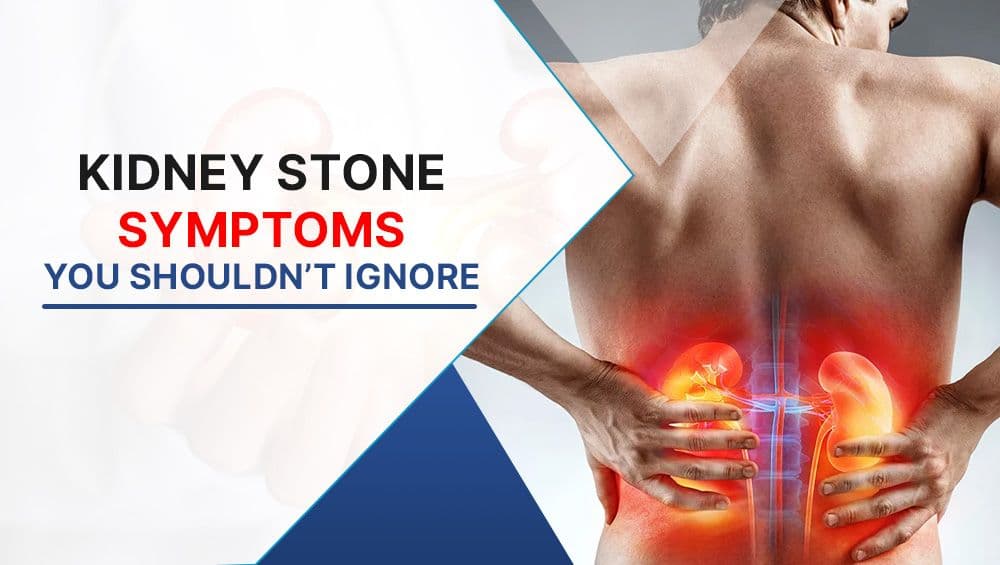
Kidney stones (nephrolithiasis) form when urine becomes overly concentrated with dissolved minerals and salts, such as calcium, oxalate, and uric acid—causing them to crystallize and solidify inside the renal system. While tiny stones may pass undetected through urine, larger stones can obstruct the urinary tract, triggering severe pain, infection risk, and potential renal complications if left unmanaged.
Recognizing the early symptoms of kidney stones is crucial for timely evaluation and minimally invasive treatment.
9 Critical Warning Signs of Kidney Stones
1. Sharp Pain in the Back, Side, or Lower Abdomen
Acute, sudden flank pain—known medically as renal colic—is the primary symptom of a kidney stone. This intense, wave-like pain originates below the ribs and radiates toward the lower abdomen and groin as the stone shifts through the narrow ureter. Because the pressure fluctuates, finding a comfortable sitting or lying position can feel impossible.
2. Blood in the Urine (Hematuria)
As a sharp or jagged stone moves along the delicate lining of the urinary tract, it causes mucosal irritation and minor bleeding. This makes urine appear pink, bright red, or tea-colored. In some instances, microscopic hematuria occurs, where blood cells are present but only visible under laboratory urinalysis. Learn more in our detailed guide on blood in urine (hematuria).
3. Painful or Frequent Urination
When a stone reaches the lower junction of the ureter near the bladder, it causes localized inflammation and spasm. Symptoms closely mirror a urinary tract infection (UTI), including:
- Dysuria (burning or painful sensation while urinating)
- Persistent, sudden urges to empty the bladder
- Excreting only small quantities of urine at a time
4. Persistent Inability to Get Comfortable
Because renal colic occurs in intense spasms, patients frequently toss, turn, or pace around in search of pain relief. This physical restlessness is a direct clinical marker of active ureteral obstruction.
5. Nausea and Vomiting
The kidneys and gastrointestinal tract share neural pathways through the splanchnic nerve network. Intense pressure and severe pain signals inside the kidney trigger severe stomach distress, leading to persistent nausea and vomiting.
6. Cloudy or Foul-Smelling Urine
Healthy urine should be clear. Cloudy, murky, or strong-smelling urine indicates the presence of bacteria, pus (pyuria), or hyper-concentrated mineral deposits within the urinary system, signaling a potential co-existing infection.
7. Fever and Chills (Emergency Warning Sign)
Spikes in body temperature accompanied by shivering chills indicate that a blocked kidney has developed an active infection (pyelonephrosis). This is a critical urological emergency that requires immediate hospital care to prevent urosepsis.
8. Difficulty Passing Urine or Complete Blockage
If a stone completely blocks the ureter or bladder neck, urine flow may drop significantly or stop entirely. An untreated urinary obstruction leads to hydronephrosis (swelling of the kidney), which can cause acute kidney injury if not decompressed promptly.
9. Changes in Urine Color & High Concentration
Dehydration and heavy mineral concentration often turn urine a dark amber or brownish hue. Maintaining pale, straw-colored urine is one of the easiest ways to monitor proper hydration levels.
When Should You See a Specialist Immediately?
Schedule an urgent medical evaluation if your symptoms include severe, intractable pain, active fever, or inability to pass urine. A specialist will order diagnostic imaging (such as a low-dose Non-Contrast CT scan or Ultrasound) along with blood and urine panels to locate the stone and formulate a clear treatment plan.
Key Preventive Measures to Avoid Recurrence
Removing a stone resolves the immediate blockage, but long-term prevention requires addressing the root metabolic cause:
- Optimize Fluid Intake: Drink at least 2.5 to 3 liters of water daily to maintain dilute urine and prevent mineral precipitation.
- Dietary Adjustments: Reduce dietary sodium (salt) and excessive animal protein. If you form calcium oxalate stones, moderate high-oxalate foods like spinach, nuts, and dark chocolate while maintaining normal dietary calcium intake.
- Maintain Healthy Weight: Regular exercise and metabolic balance reduce urinary excretion of stone-forming salts.
- Metabolic Profiling: Undergo a 24-hour urine metabolic evaluation to identify your exact stone-formation risks. Read our guide on how to avoid kidney stone recurrence.
Expert Kidney Stone Care with Dr. Deepanshu Gupta in Gurgaon
If you are experiencing kidney stone symptoms or require advanced treatment in Gurgaon and Delhi NCR, Dr. Deepanshu Gupta at CureStone provides compassionate, high-precision urological care.
Holding an MCh in Urology (Rank 1) with over 12 years of specialized clinical experience and 9,500+ successful endoscopic procedures, Dr. Gupta specializes in:
- Radiation-Free & Low-Dose RIRS: Advanced flexible laser stone removal performed without fluoroscopy exposure.
- FANS-RIRS Suction Laser Surgery: Vacuum-assisted suction tech that extracts stone dust in real time during surgery for maximum clearance. Read our guide on FANS RIRS suction laser surgery.
- Patient-Centered Recovery: Complete care management—from diagnostic mapping to diet modifications and long-term recurrence prevention.
Don't let kidney stone pain compromise your quality of life—book a consultation with Dr. Deepanshu Gupta today!
Frequently Asked Questions (FAQs)
What is the difference between kidney stone pain and regular lower back pain?
Kidney stone pain (renal colic) comes in sharp, fluctuating waves in the side or lower back below the ribs, often radiating to the groin. Unlike musculoskeletal back pain, it does not improve with rest or position changes and is often accompanied by nausea or urinary symptoms.
Can a kidney stone cause a urinary tract infection (UTI)?
Yes. A stone obstructing urine flow creates a stagnant environment where bacteria proliferate rapidly, increasing the risk of complex UTIs or kidney infections.
How long does it take for a small kidney stone to pass naturally?
Stones smaller than 4 to 5 mm often pass on their own within 1 to 3 weeks with high fluid intake and medication. However, if a stone causes severe pain, fever, or persistent urinary blockage, surgical intervention like laser RIRS or URS is required.
Have Questions About This Topic?
Get a personalized consultation at Cure Stone Hospital, Sector 52, Gurgaon.
Book Consultation