Which Factors Mainly Cause Kidney Stones?
The hard deposits in the kidney that are crystalline in nature are painful and affect the day to day movement of over millions of people around the globe. The deposition of these crystals in the kidney can be uncomfortable at times due to the expulsion of these hard deposits through the urinary tract of the
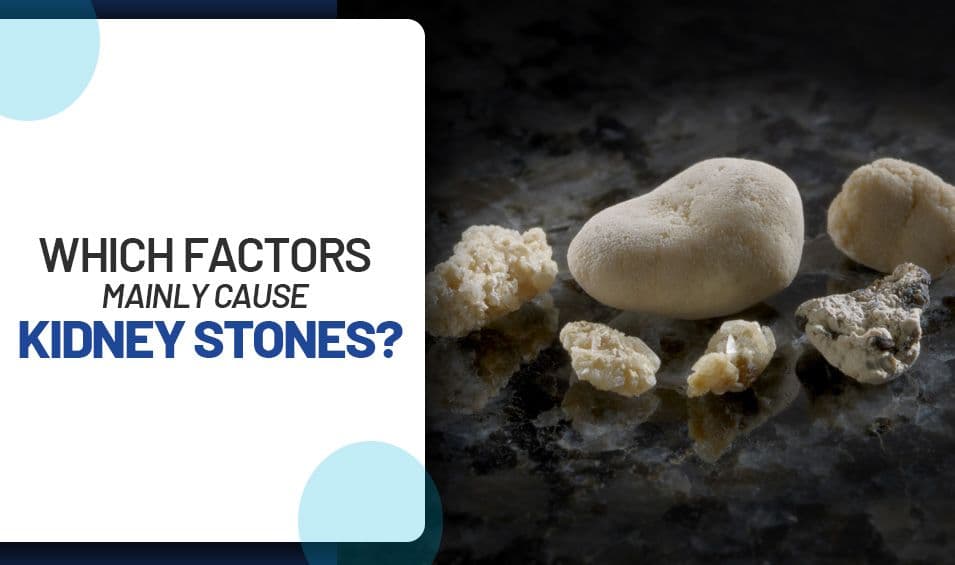
Kidney stones, medically known as renal calculi, are hard crystalline deposits that form from minerals and salts inside the kidneys. Affecting millions of people globally, these stones can cause severe pain, urinary blockages, and potential renal damage if left unmanaged.
While passing a stone can be painful, understanding the underlying causes, ranging from daily dietary habits and hydration levels to underlying metabolic conditions, is key to effective prevention.
In this guide, we explore why kidney stones form, why global incidence rates are rising, primary risk factors, and actionable steps to protect your renal health.
What Are Kidney Stones and How Do They Form?
Kidney stones develop when urine becomes supersaturated with minerals like calcium, oxalate, uric acid, or cystine. When fluid levels in urine are low, these substances crystallize, stick together, and gradually grow into stone masses inside the kidney's collecting system.
Primary Types of Kidney Stones
- Calcium Oxalate & Calcium Phosphate Stones: The most common variety, forming when excess urinary calcium combines with dietary oxalates.
- Uric Acid Stones: Triggered by high-protein diets, chronic dehydration, or metabolic conditions like gout.
- Struvite Stones: Often linked to recurrent bacterial urinary tract infections (UTIs). These stones can grow rapidly and become quite large.
- Cystine Stones: Rare stones caused by a genetic disorder (cystinuria) that leads to excessive urinary excretion of the amino acid cystine.
Why Are Kidney Stone Cases Rising Globally?
Medical research indicates a steady increase in kidney stone diagnoses among both men and women worldwide. Key contributing factors include:
- Chronic Subclinical Dehydration: Inadequate daily water intake leads to highly concentrated urine.
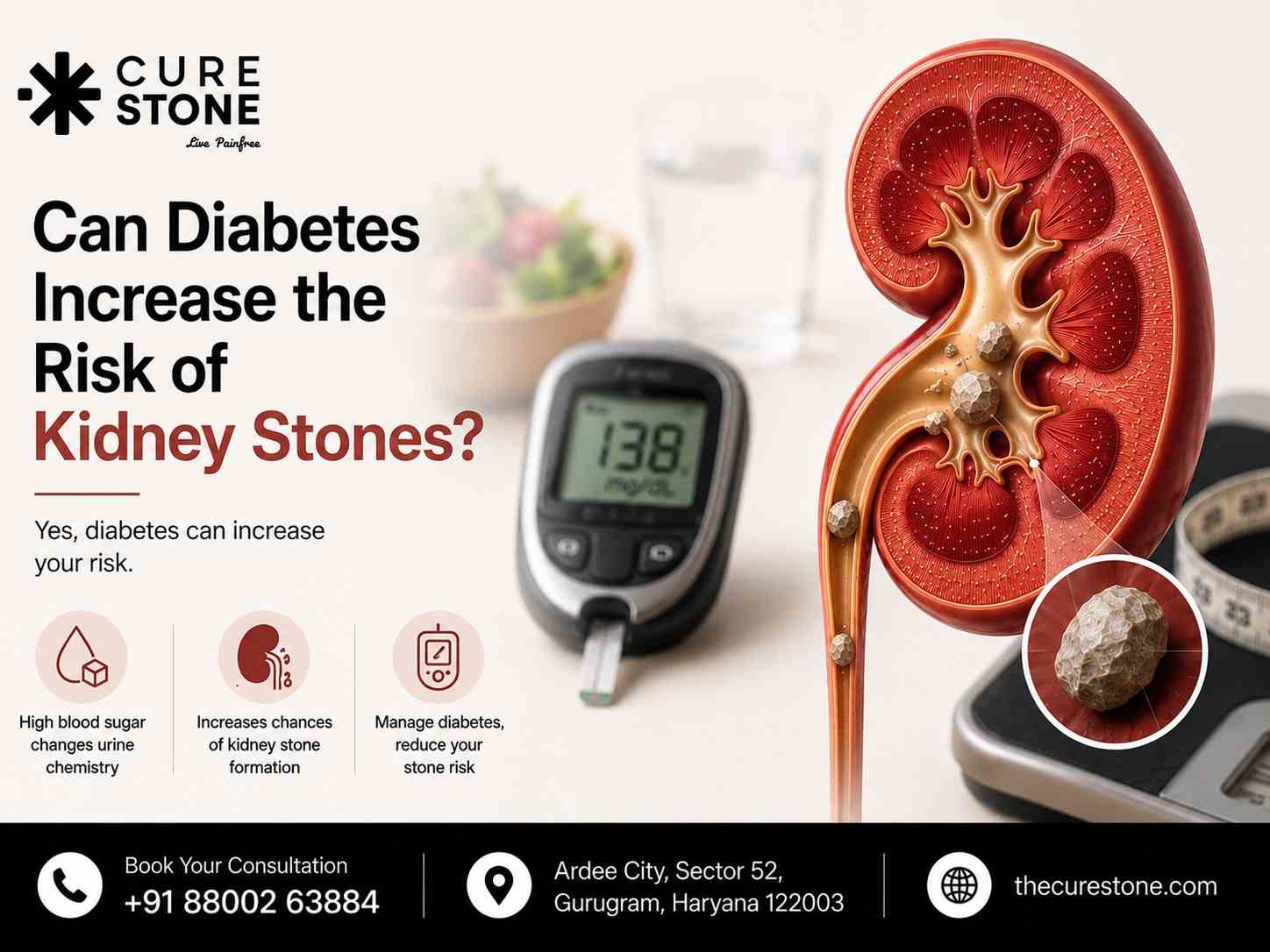
- Modern Dietary Shifts: Increased consumption of processed foods, refined sugars, and excessive dietary sodium.
- Rising Obesity Rates: Higher BMI is associated with altered urinary pH and increased excretion of uric acid and calcium.
- Sedentary Lifestyles: Lack of physical activity can impair metabolic balance and encourage urinary stagnation.
- Hot Climates: Higher ambient temperatures lead to increased fluid loss through sweating, elevating stone risk in warmer regions.
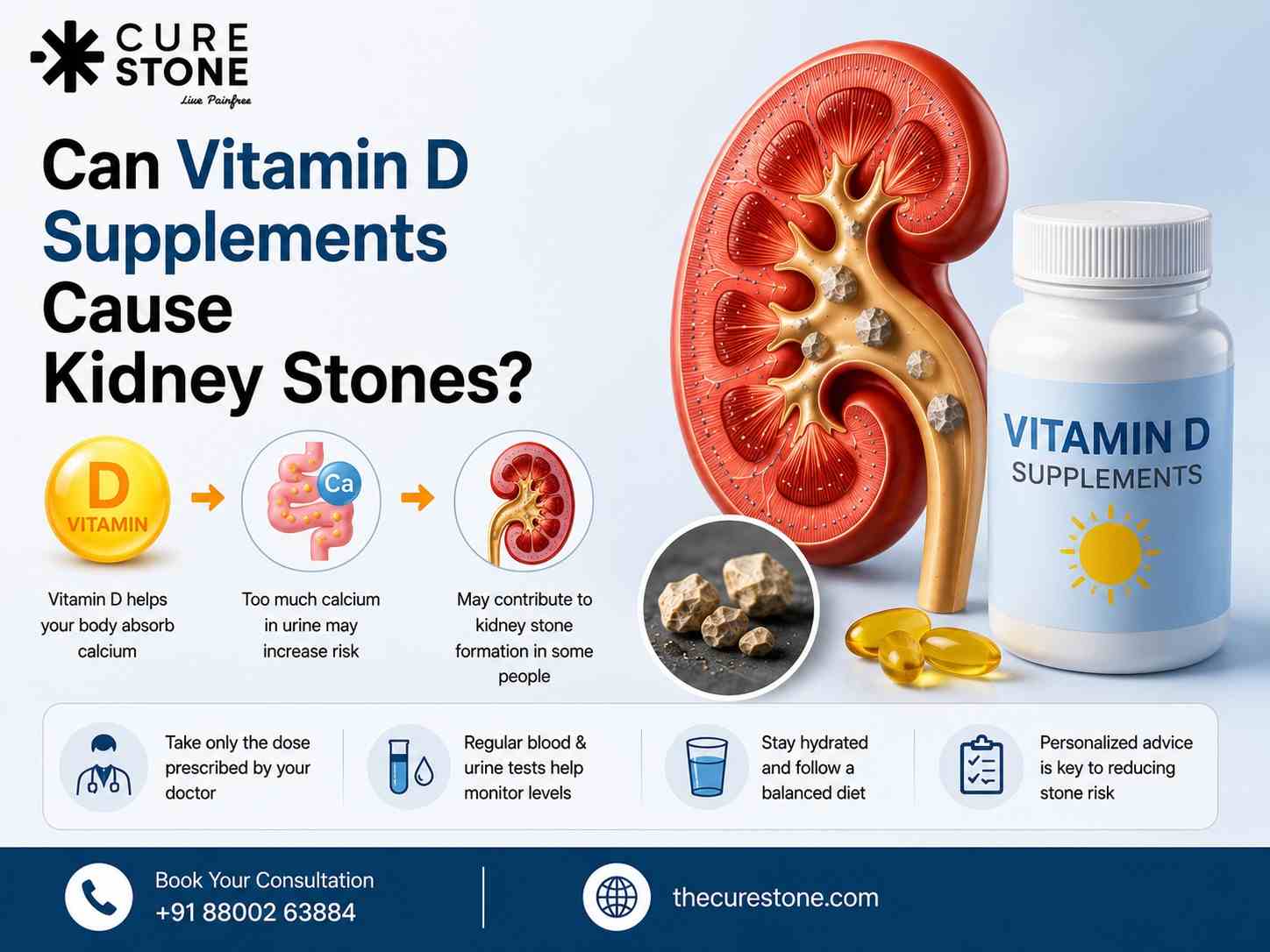
- Overuse of Unmonitored Supplements: Excessive intake of high-dose Vitamin C or calcium supplements can elevate urinary oxalate and calcium levels.
Critical Causes and Risk Factors for Kidney Stones
1. Inadequate Hydration
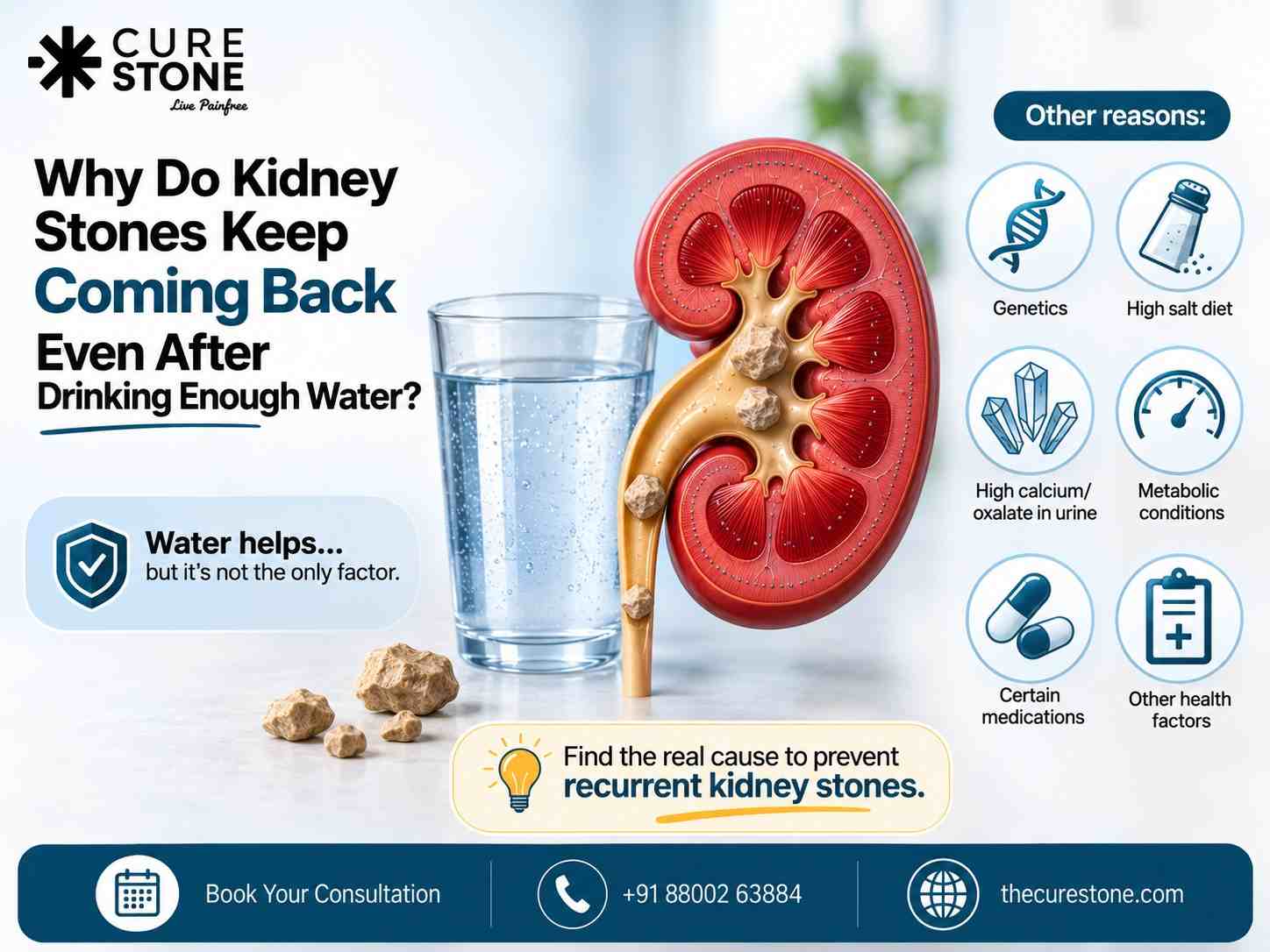
Dehydration is the single most common cause of kidney stone formation. When fluid volume drops, minerals easily crystallize instead of remaining dissolved in urine.
- Prevention Strategy: Aim for 2.5 to 3 liters of water daily so that urine remains pale and clear. Incorporating fresh lemon juice provides natural citrate, which helps bind calcium and inhibit stone growth.
2. High Dietary Oxalate Intake
Certain nutrient-dense foods are naturally high in oxalates, which can combine with urinary calcium to form stones in susceptible individuals.
- Common High-Oxalate Foods: Spinach, beets, nuts, chocolate, rhubarb, and soy products.
- Prevention Strategy: Rather than completely eliminating healthy foods, pair oxalate-rich foods with calcium-rich foods (like yogurt or milk) during the same meal. This binds oxalate in the digestive tract before it reaches the kidneys.
3. Excess Dietary Sodium (Salt)
High sodium intake forces the kidneys to excrete more calcium into the urine, significantly increasing the likelihood of calcium stone formation.
- Prevention Strategy: Cap daily sodium intake at 2,300 mg (about one teaspoon of salt) and minimize packaged snacks, canned soups, and fast foods.
4. Overconsumption of Animal Protein
Diets high in red meat, poultry, eggs, and seafood increase uric acid production while simultaneously lowering urinary citrate (a natural stone inhibitor).
- Prevention Strategy: Balance animal protein intake with plant-based protein sources like lentils and legumes, and maintain strong daily hydration.
5. Calcium Imbalances
A common misconception is that dietary calcium causes stones. In reality, getting too little dietary calcium allows oxalate levels to spike, increasing stone risk. Conversely, unmonitored high-dose calcium supplements can cause urinary calcium overload.
- Prevention Strategy: Obtain calcium from natural food sources (dairy, green leafy vegetables, almonds) and consult a doctor before taking calcium supplements.
6. Medical Conditions and Genetics
Underlying conditions such as primary hyperparathyroidism, gout, Inflammatory Bowel Disease (IBD), and chronic diarrhea alter mineral absorption and urinary composition. Additionally, a family history of stones can increase personal risk.
Advanced Medical Solutions for Existing Stones
When lifestyle changes are not enough to prevent or pass a stone, modern endourology offers safe, 100% incision-free treatment options:
- Retrograde Intrarenal Surgery (RIRS): A laser procedure performed entirely through natural urinary passages without external cuts or stitches.
- FANS-RIRS (Suction Laser Surgery): An advanced variant of RIRS that utilizes active vacuum suction to continuously evacuate stone dust and fluid in real time. Learn more in our detailed guide to FANS-RIRS suction laser surgery.
- Stent Management: In many procedures, temporary internal placement of a DJ stent is used to ensure smooth drainage during recovery.
Long-Term Stone Prevention Guidelines
To prevent stone recurrence and maintain long-term renal health, consider these essential habits:
- Maintain daily hydration to prevent concentrated urine.
- Follow specific dietary protocols on how to avoid kidney stones recurrence.
- Monitor for early signs of urinary complications such as blood in urine (hematuria) or discomfort caused by UTIs.
Consult Top Kidney Stone Specialist Dr. Deepanshu Gupta
Accurate diagnosis and personalized treatment plans are essential for removing kidney stones safely and preventing future recurrence.
Dr. Deepanshu Gupta at Cure Stone is a leading endourologist in Gurgaon with extensive clinical expertise, having successfully performed over 9,500 endoscopic surgeries. Specializing in radiation-free (fluoroscopy-free) RIRS, high-efficiency FANS RIRS suction laser surgery, and Mini-PCNL, Dr. Gupta provides comprehensive diagnostic evaluations and tailored care.
Don't let kidney stone pain compromise your health. Book a consultation with Cure Stone today to evaluate your diagnostic reports!
Frequently Asked Questions (FAQs)
Can drinking fresh lemon water prevent kidney stones?
Yes. Fresh lemons contain high levels of natural citrate, which binds with urinary calcium to prevent crystals from forming and growing into stones.
Why does high Vitamin C supplementation increase kidney stone risk?
The body metabolizes excess Vitamin C (ascorbic acid) into oxalate. Taking high doses (> 1,000 mg/day) over extended periods can increase urinary oxalate excretion and elevate stone risk.
Are kidney stones hereditary?
Yes. A family history of kidney stones increases your risk, often due to shared genetic factors that influence how your kidneys excrete calcium, uric acid, or oxalate. You can review strategies on how to avoid kidney stones recurrence to manage familial risks effectively.
Have Questions About This Topic?
Get a personalized consultation at Cure Stone Hospital, Sector 52, Gurgaon.
Book Consultation