Can I Ride a Bike or Scooter With a DJ Stent?
Can you ride a bike or scooter with a DJ stent? Learn how riding may affect stent-related discomfort, when it may be safe to resume, and what precautions can help during recovery.

This is one of the first questions patients ask after kidney stone surgery, usually before they have even left the hospital. For a large number of people the scooter or motorcycle is not a hobby. It is the commute, the job, or the only way to reach the stent removal appointment itself.
The short answer is yes. Riding a two-wheeler with a DJ stent in place is not dangerous to the kidney and will not damage anything. But it is often uncomfortable, it commonly increases blood in the urine, and there are a few days after surgery when you should not ride at all.
Here is what to expect, when to start, and how to make the ride easier.
Why Riding Feels Different With a Stent
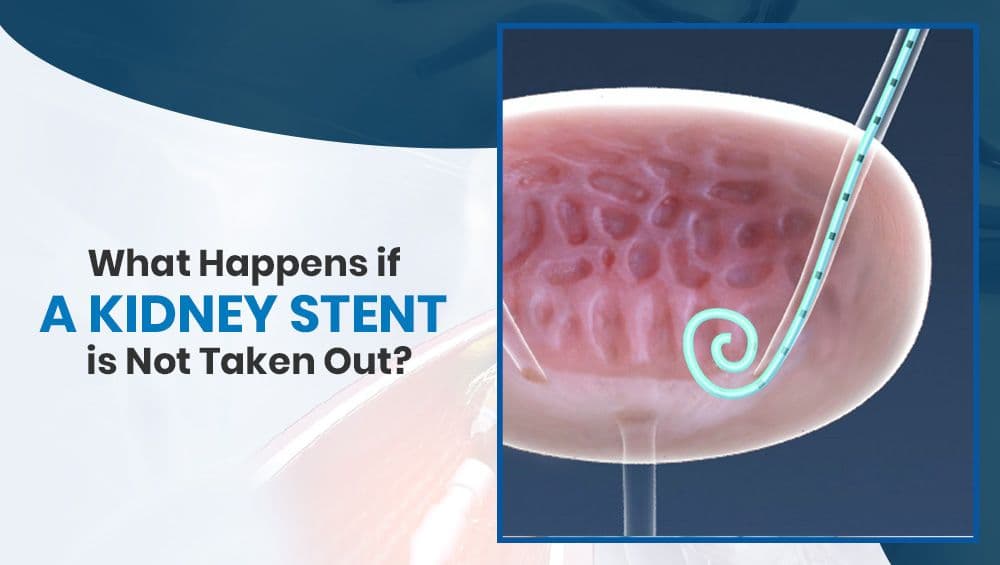
A DJ stent is a soft tube running from the kidney down to the bladder, with a curl at each end that holds it in place. The lower curl sits inside the bladder, resting against its most sensitive area. See DJ stent explained and the role of the stent in kidney stone treatment.
On a two-wheeler, three things work against you.
Vibration and jolts. Every pothole and speed breaker (speed bump) moves the stent slightly against the bladder lining. That irritation shows up as urgency, a burning feeling, a dragging ache in the flank on the operated side, and more blood in the urine afterwards.
The seated position. Sitting astride a seat puts steady pressure on the area beneath the bladder. Combined with vibration, this is why many patients find a 20 minute ride far more uncomfortable than a 20 minute walk.
Traffic. Stents create a frequent and sudden urge to pass urine. Stuck in a jam on a scooter, with no toilet in reach, is a situation patients mention again and again.
None of this harms the kidney or the surgical result. It is discomfort, not damage. The stent is held by its curls at both ends, and there is no evidence that ordinary riding knocks it out of position.
When You Can Start Riding
First 24 to 48 hours after surgery: do not ride. You have had anaesthesia, you are likely on painkillers that slow reaction time, and you may still feel unsteady. This applies to riding and to driving.
After that, ride only when all of these are true:
- You are off any strong painkillers that cause drowsiness
- You can turn your head fully to check traffic
- You can brake hard and hold the vehicle steady without pain catching you off guard
- Burning and bleeding have settled to a manageable level
For most patients after RIRS or URSL, that point arrives within three to five days. Short, smooth trips are usually fine from then on. See can I walk after RIRS surgery and how much rest is needed after kidney stone surgery.
If you had PCNL, the answer is different. There is a wound in the flank, and sometimes a nephrostomy tube coming out of the back. Do not ride a two-wheeler with a nephrostomy tube in place. After it is removed, wait until the wound is comfortable, usually around one to two weeks, and follow your surgeon's specific advice.
Scooter, Motorcycle, or Bicycle
Scooter. The upright position is reasonably comfortable, but the small wheels transmit every bump straight up through the seat. Slow down well before speed breakers.
Motorcycle. A larger wheel absorbs bumps better, and on rough patches the rider can take some weight off the seat by pressing into the footpegs. The forward leaning posture on sports bikes, however, increases pressure under the bladder and is usually less comfortable.
Riding pillion. The rear seat often bounces more than the front, and the pillion has no warning of bumps. Many patients find pillion the least comfortable option of all.
Bicycle. A narrow saddle presses directly on the perineum, and pedalling adds repeated movement. Short, gentle rides on smooth roads are usually fine after the first week if comfortable. Leave long rides and rough trails until the stent is out. A stationary bike with a wide, padded seat is gentler than a road bicycle.
How to Make the Ride Easier
- Keep trips short. Fifteen minutes is very different from an hour, especially in the first week.
- Slow down for every speed breaker and pothole. Ride around them where you safely can. On rough or broken roads, this one matters more than anything else on this list.
- Use a cushioned seat cover or a soft gel pad.
- Pass urine just before you leave, even if you do not feel the need.
- Know where you can stop. Plan a route with fuel stations or other places you can use a washroom.
- Stay hydrated, but time it. You still need good fluid intake while the stent is in, but avoid drinking a large volume just before a long ride.
- Avoid riding in peak heat. Sweating under a helmet in summer adds dehydration to an already irritated urinary tract.
- Wear your helmet. Recovering from surgery is a poor time to have an accident.
Blood in the Urine After Riding
Expect it. A pink or light red tinge after a ride, especially over rough roads, is the most common thing patients notice and the most common reason they call in a panic.
It happens because the stent moves against the bladder lining. It usually clears within a few hours to a day, faster if you drink well and rest. See blood in urine, what it means.
What is not normal: thick clots, urine the colour of dark tea that does not clear, or bleeding that makes it hard to pass urine. Those need assessment.
If You Ride for a Living
Delivery riders, field sales staff, and anyone who spends several hours a day on a two-wheeler should raise this with their surgeon before the operation, not after.
The usual options are planning a few days off in the first week, keeping the stent in for the shortest safe period, and in suitable cases, a stent on a string that can be removed early without another procedure. If you have a stent on a string, take extra care, because friction from the seat can irritate the thread and a sudden pull can bring the stent out too early.
Whether a stent is needed at all depends on how the surgery goes. See is a DJ stent necessary after RIRS.
Warning Signs to Stop and Get Checked
Stop riding and contact your urologist the same day if you develop:
- Fever or chills. After stone surgery, this is the most important warning sign.
- Severe or worsening flank pain that does not settle with rest
- Heavy bleeding or clots in the urine
- Difficulty passing urine or very little urine
- Persistent vomiting
See how to know when a kidney stone problem is serious.
Keep the Removal Date
Most stents after RIRS come out within one to three weeks. Once the stent is out, there are no restrictions on riding at all.
The one thing that genuinely causes harm is forgetting the stent. A stent left in for months can become coated with stone material, get stuck, and damage the kidney it was placed to protect. See what happens if a kidney stent is not taken out and is DJ stent removal painful.
For the wider recovery picture, see the recovery after kidney stone surgery and can I have sex after RIRS surgery.
If you have a stent in place and riding is a big part of your day, book a consultation with Dr. Deepanshu Gupta to plan your recovery around it. Our kidney stone treatment page sets out the options, including RIRS.
Frequently Asked Questions
Can I ride a scooter with a DJ stent?
Yes, once you are off strong painkillers and can brake and turn safely, usually three to five days after RIRS. Keep trips short, slow down over bumps, and expect some discomfort and more blood in the urine afterwards.
Can riding a bike dislodge my DJ stent?
No. The stent is held in place by a curl at each end, one in the kidney and one in the bladder. There is no evidence that ordinary riding moves it out of position.
Why do I get blood in my urine after riding with a stent?
Vibration moves the stent against the bladder lining. A pink tinge that clears within a day is common and expected. Clots or heavy bleeding need assessment.
How soon after kidney stone surgery can I ride a motorcycle?
Not in the first 24 to 48 hours after anaesthesia. After that, ride only when you are off drowsy painkillers and can control the vehicle confidently, typically within three to five days after RIRS.
Can I ride a bicycle with a DJ stent?
Short, gentle rides on smooth roads are usually fine after the first week if comfortable. Avoid long rides and rough trails until the stent is removed, because the saddle presses directly beneath the bladder.
Is riding pillion better than riding myself?
Usually not. The rear seat tends to bounce more, and the pillion has no warning of bumps. Many patients find it the least comfortable option.
Can I ride a bike with a nephrostomy tube after PCNL?
No. Avoid riding with a nephrostomy tube in place. After it is removed, wait until the flank wound is comfortable and follow your surgeon's advice.
I ride for work. What should I do?
Discuss it with your surgeon before surgery. Planning a few days off, keeping the stent in for the shortest safe period, or using a stent on a string where suitable can make the recovery much easier.
Have Questions About This Topic?
Get a personalized consultation at Cure Stone Hospital, Sector 52, Gurgaon.
Book Consultation