Can You Still Have Pain After Passing a Kidney Stone?
Kidney stones is a relatively common condition which is experienced by millions of people worldwide. The pain that develops because of kidney stones is often unbearable, and comes extremely high in intensity.
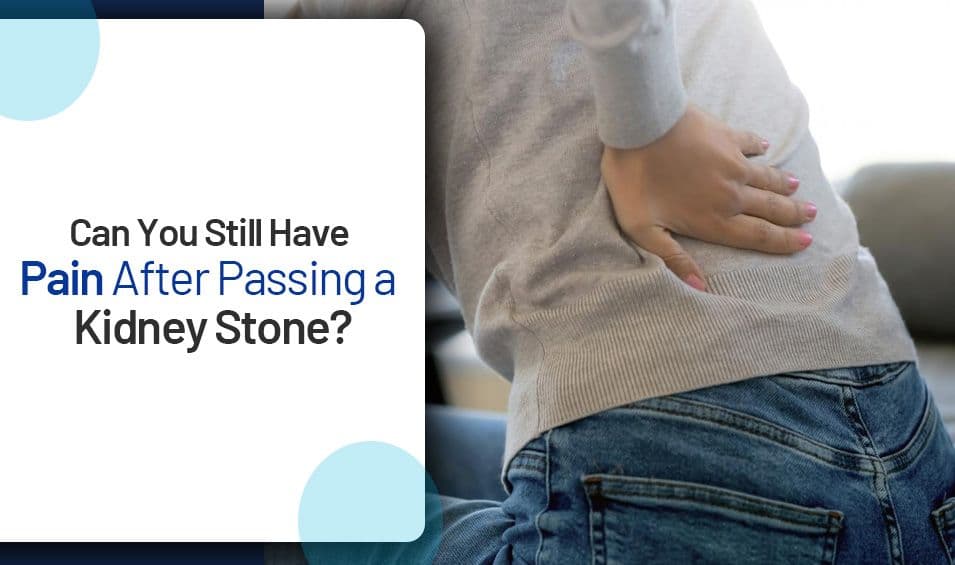
Kidney stones, or renal calculi, affect millions of people worldwide. The pain experienced when passing a kidney stone is often described as intense, sharp, and overwhelming. While passing the stone into the toilet typically signals the end of the ordeal, many patients are surprised to find that mild to moderate discomfort can linger even after the stone has exited the body.
If you are experiencing pain after passing a kidney stone, understanding the potential causes, recovery expectations, and red-flag symptoms will help you navigate your post-stone care safely.
In this guide, we break down why post-stone pain occurs, how to manage lingering discomfort, and when you should contact a specialist.
What Does Passing a Kidney Stone Feel Like?
The pain associated with kidney stones, known as renal colic, begins when the stone moves from the kidney into the ureter (the narrow tube connecting the kidney to the bladder). As the ureter contracts and spasms to push the stone downward, patients experience intense, cramping pain in the back, side (flank), lower abdomen, and groin.
Once the stone moves past the bladder and exits through the urethra, the sharpest spasms usually drop significantly. However, complete tissue recovery takes time.
Why Do You Feel Pain After Passing a Kidney Stone?
Experiencing mild soreness, urinary frequency, or a dull ache after passing a stone is relatively common. Several clinical reasons explain why pain can linger:
1. Ureteral Inflammation and Swelling
As a hard, rough stone travels through the narrow lining of the ureter and urethra, it causes micro-abrasions and localized swelling. Even after the stone is out, this inflamed tissue remains sensitive for several days, leading to a dull ache or mild burning during urination.
2. Residual Stone Fragments or Dust
In many cases, a patient passes a main stone fragment while smaller micro-particles or residual stone dust remain inside the kidney or bladder. As these remaining particles migrate down the urinary tract, they can cause mild scraping, spasms, or discomfort.
3. Urinary Tract Infection (UTI)
When a stone partially blocks urine flow, trapped stagnant urine creates an ideal environment for bacteria to multiply. Passing the stone removes the blockage, but a secondary urinary tract infection (UTI) or kidney infection may remain behind, causing persistent burning, fever, or pelvic discomfort.
4. Muscle Spasms along the Urinary Tract
The smooth muscles of the ureter and bladder strain heavily while forcing a stone out. These surrounding muscles can remain in a state of hyper-contraction or spasm for days after the physical stone has exited, mimicking the original colic pain.
5. Ureteral Stricture or Scar Tissue
In rare instances, passing a large or jagged stone causes deep tissue trauma. As the ureter heals, it can form internal scar tissue that slightly narrows the passage (stricture), leading to persistent pressure or recurring dull pain.
6. Additional Undiagnosed Stones
A significant percentage of patients form multiple stones simultaneously. The pain you feel after passing one stone could potentially be caused by a second, undiagnosed stone moving down from the kidney.
How to Manage Pain and Discomfort After Passing a Stone
For mild, uncomplicated post-stone soreness, the following home recovery measures help soothe the urinary tract:
- Maintain Strong Hydration: Continue drinking 2.5 to 3 liters of water daily. Consistent fluid intake flushes out lingering micro-dust, prevents bacterial accumulation, and aids tissue recovery.
- Targeted Heat Therapy: Apply a warm heating pad or hot water bottle to your lower back or lower abdomen to relax tense muscles and calm persistent ureteral spasms.
- Over-the-Counter Relief: Non-Steroidal Anti-Inflammatory Drugs (NSAIDs) such as ibuprofen can help reduce swelling in the ureteral lining. Always consult your doctor before taking pain medications, especially if you have a history of kidney disease or stomach issues.
- Follow Prevention Protocols: Review dietary modifications on how to avoid kidney stones recurrence to protect your long-term renal health.
Warning Signs: When to Seek Immediate Medical Attention
While mild, improving soreness is expected during recovery, certain symptoms signal potential complications that require urgent medical evaluation:
- Unbearable or worsening flank pain that does not respond to prescribed medications.
- High fever, chills, or night sweats (key indicators of a serious kidney infection).
- Persistent dark red or heavy blood in urine (hematuria).
- Complete inability to urinate or severe urinary retention.
- Continuous nausea and vomiting that prevents fluid intake.
Advanced Options for Complex or Recurrent Stones
If diagnostic scans reveal additional trapped stones or strictures that cannot pass naturally, modern endourology provides safe, 100% incision-free procedures:
- Retrograde Intrarenal Surgery (RIRS): An endoscopic procedure using an ultra-thin flexible scope and laser to pulverize stones without cuts or stitches.
- FANS-RIRS (Suction Laser Surgery): An upgraded technique using real-time vacuum suction to clear all residual stone dust and prevent post-op pressure. Read more in our detailed guide to FANS-RIRS suction laser surgery.
- DJ Stent Placement: Temporary placement of a DJ stent allows the swollen ureter to rest, heal, and drain properly.
Consult Top Kidney Stone Specialist Dr. Deepanshu Gupta
Persistent pain after passing a kidney stone should never be ignored. Getting a proper ultrasound or NCCT evaluation ensures that infections, strictures, or remaining stone fragments are identified and treated promptly.
Dr. Deepanshu Gupta at Cure Stone is a leading endourologist in Gurgaon with extensive clinical expertise, having successfully performed over 9,500 endoscopic procedures. Specializing in radiation-free (fluoroscopy-free) RIRS, high-efficiency FANS RIRS suction laser surgery, and Mini-PCNL, Dr. Gupta provides accurate diagnostic evaluations and tailored care to ensure complete relief.
Don't let lingering pain compromise your recovery. Book a consultation with Cure Stone today to evaluate your symptoms!
Frequently Asked Questions (FAQs)
How long should pain last after passing a kidney stone?
Mild soreness, ureteral spasms, or light burning during urination usually peak within 24 to 48 hours and gradually fade over 3 to 7 days as the urinary tract lining heals.
Can a kidney stone cause a UTI after it passes?
Yes. Stones can trap bacteria inside the urinary tract while obstructing urine flow. Once the stone passes, the underlying bacterial infection can persist, requiring antibiotics to clear completely.
How do I know if I have another stone inside my kidney?
The most reliable way to confirm whether additional stones exist is through a non-contrast CT scan (NCCT KUB) or a detailed renal ultrasound recommended by your urologist.
Have Questions About This Topic?
Get a personalized consultation at Cure Stone Hospital, Sector 52, Gurgaon.
Book Consultation