
Kidney Stones and Digestive Issues: What’s the Connection?
Kidney stones and digestive problems are two very different — and very common — health problems. But they share a commonality that you probably never would have guessed. Knowing this link can help you take action to prevent both conditions and stay healthy.
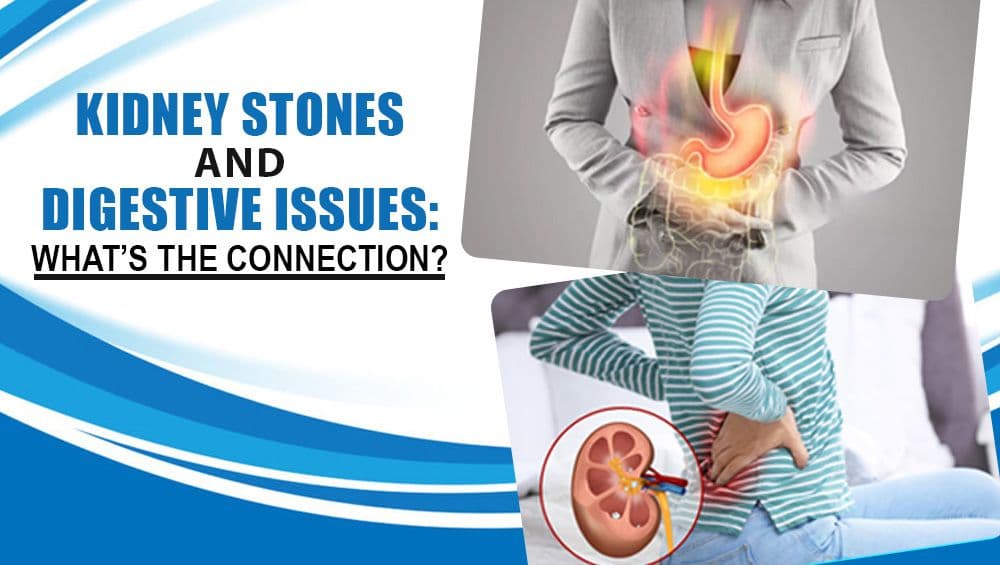
Kidney stones and digestive disorders may seem like two completely unrelated health issues. One affects the urinary tract, while the other impacts the gastrointestinal system. However, medical research shows a significant physiological connection between gut health, digestion, and the formation of kidney stones.
Understanding how your digestive system influences kidney function can help you take proactive steps to protect both systems. Here is a detailed look at how digestive problems contribute to kidney stone development and what you can do to keep your gut and kidneys healthy.
How Digestive Issues Drive Kidney Stone Formation
The link between your gut and your kidneys centers on fluid balance, nutrient absorption, urinary pH, and gut microbiome activity.
1. Dehydration and Chronic Fluid Loss
Dehydration is the primary cause of kidney stone formation. When fluid intake is insufficient, minerals like calcium, oxalate, and uric acid become hyper-concentrated in the urine, leading to crystallization.
Gastrointestinal conditions that cause chronic diarrhea or loose stools, such as Inflammatory Bowel Disease (IBD), Crohn's disease, ulcerative colitis, or Irritable Bowel Syndrome (IBS), result in continuous fluid and bicarbonate loss. This leads to low urine volume and acidic urine, creating an ideal environment for uric acid and calcium stone formation.
2. Enteric Hyperoxaluria: Oxalate Malabsorption
In a healthy digestive tract, dietary calcium binds to dietary oxalate in the intestines, forming an insoluble compound that passes out naturally through stool.
When conditions like Crohn's disease, celiac disease, or prior gastric bypass surgery impair fat absorption, unabsorbed fatty acids bind to intestinal calcium instead. This leaves free oxalate behind in the gut. The colon absorbs this excess oxalate into the bloodstream, where it travels to the kidneys and crystallizes into calcium oxalate stones—a process known as enteric hyperoxaluria.
3. Gut Microbiome Imbalance (Dysbiosis)
Your gut microbiome plays an active role in breaking down stone-forming minerals. Specific intestinal bacteria, such as Oxalobacter formigenes, rely on oxalate as their primary energy source, naturally regulating oxalate levels before absorption.
Disruptions to the gut microbiome caused by chronic gut inflammation, poor diet, or frequent antibiotic use reduce these beneficial bacteria. Higher intestinal oxalate absorption increases the workload on your kidneys.
4. Acid-Base and Calcium Imbalances
Chronic digestive conditions can disrupt the absorption of key minerals like calcium and magnesium, as well as urinary citrate. Citrate is a natural inhibitor that prevents calcium from binding with oxalate in the urinary tract. Lower citrate levels due to metabolic changes from digestive issues significantly increase stone risk.
Practical Strategies to Protect Your Gut and Kidneys
Adopting targeted daily habits can help maintain digestive balance and prevent kidney stones:
- Maintain Consistent Hydration: Drink at least 2.5 to 3.0 liters of fluids daily. If you experience chronic gastrointestinal issues, increase your water intake to compensate for fluid lost during digestion.
- Pair Calcium with Oxalate at Meals: Eat calcium-rich foods (such as dairy, yogurt, or fortified alternatives) alongside foods high in oxalates (like spinach, nuts, and beets). This allows calcium and oxalate to bind in your digestive tract rather than in your kidneys.
- Support Gut Bacteria: Incorporate probiotic foods like kefir, yogurt, and fermented vegetables, or speak with your doctor about quality probiotic supplements to support a healthy microbiome.
- Reduce Sodium and Excess Animal Protein: High sodium increases calcium excretion into the urine, while excessive red meat increases urinary uric acid and lowers urinary citrate.
- Seek Early Medical Guidance: Manage chronic digestive symptoms promptly with your physician to prevent secondary urinary complications.
Expert Urological Care with Dr. Deepanshu Gupta in Gurgaon
Treating kidney stones effectively requires addressing both the physical stone and any underlying digestive or metabolic triggers.
For expert urological care in Gurgaon and Delhi NCR, Dr. Deepanshu Gupta at CureStone offers advanced, comprehensive management. Holding an MCh in Urology (Rank 1) with over 12 years of specialized clinical experience across 9,500+ successful endoscopic procedures, Dr. Gupta specializes in:
- Incision-Free Laser Surgery: Advanced, low-radiation Retrograde Intrarenal Surgery (RIRS) and vacuum-assisted FANS-RIRS for complete stone clearance with minimal recovery time. Read our guide on FANS-RIRS suction laser surgery.
- Metabolic Evaluation: Detailed 24-hour urine metabolic testing to identify underlying gut malabsorption, oxalate imbalances, or citrate deficiencies.
- Personalized Recurrence Prevention: Custom dietary and medical management plans tailored to your specific digestive and renal health profile. Read our guide on how to avoid kidney stone recurrence.
Take control of your renal and digestive wellness. Book a consultation with Dr. Deepanshu Gupta today!
Frequently Asked Questions (FAQs)
Can chronic IBS or acid reflux cause kidney stones?
Conditions causing chronic diarrhea, such as IBS-D or Inflammatory Bowel Disease, directly increase kidney stone risks due to fluid loss and enteric hyperoxaluria. While acid reflux itself does not cause stones, frequent use of certain antacids or prescription medications can alter urinary mineral composition.
Why is dietary calcium recommended if my stones are made of calcium?
Cutting out dietary calcium can actually increase your risk of calcium oxalate stones. Without dietary calcium to bind with oxalate in your intestines, excess free oxalate is absorbed into your bloodstream and excreted into your urine, where it forms stones.
How does a 24-hour urine test help if I have digestive problems?
A 24-hour urine metabolic profile measures exact levels of urinary volume, calcium, oxalate, citrate, sodium, and pH. This helps your urologist determine if digestive malabsorption or enteric hyperoxaluria is driving stone formation so a targeted prevention plan can be created.
Have Questions About This Topic?
Get a personalized consultation at Cure Stone Hospital, Sector 52, Gurgaon.
Book Consultation