Kidney Stones – Frequently Asked Questions & Answers (FAQs)
A small stone can stop life in its tracks. You wake up and feel a dull ache at your side, which quickly sours into waves of excruciating pain so intense that you can’t sit, stand or think straight.
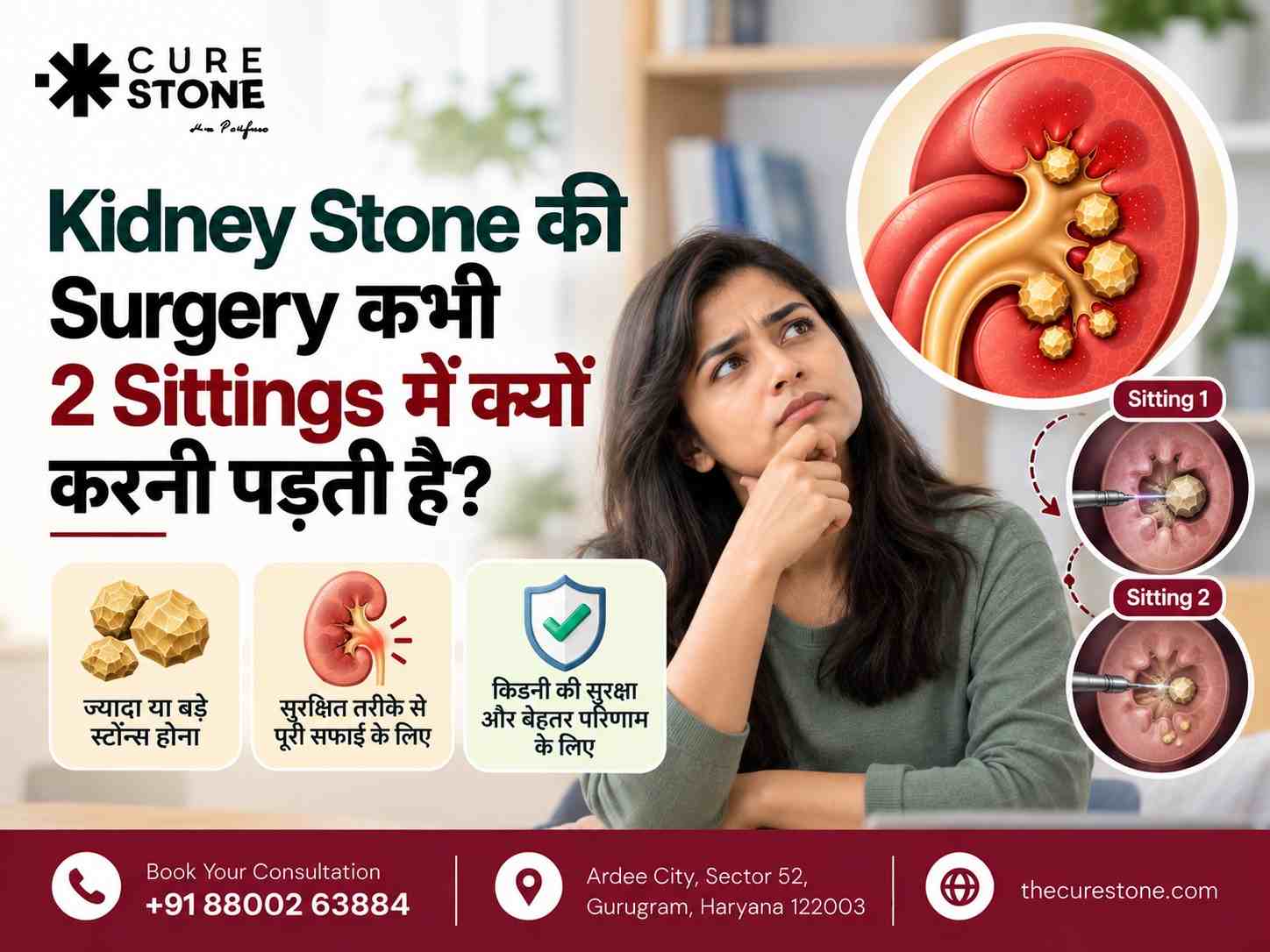
A small stone can stop life in its tracks. You wake up feeling a dull ache at your side that quickly sours into waves of excruciating pain so intense you cannot sit, stand, or think straight. For millions of people, this is a painful reality known as nephrolithiasis, or kidney stones.
While some small stones pass on their own, others cause severe urinary blockages and long term renal complications if left unmanaged. Whether you are newly diagnosed or evaluating treatment options, this comprehensive guide answers the most critical questions to help you make informed decisions about your kidney health.
1. What are kidney stones, exactly?
Kidney stones are hard mineral and salt deposits that form inside your kidneys. They range in size from tiny sand-like grains to large, complex structures that block the flow of urine.
The four primary chemical types of kidney stones include:
- Calcium Oxalate Stones: The most common type, formed when excess calcium combines with oxalate in concentrated urine.
- Uric Acid Stones: Formed in acidic urine, often linked to high-protein diets, metabolic syndrome, or gout.
- Struvite Stones: Fast-growing, complex stones triggered by chronic urinary tract infections caused by urease-producing bacteria.
- Cystine Stones: A rare, genetic variety resulting from cystinuria, an inherited amino acid transport disorder.
2. What causes kidney stones to form?
Kidney stones develop when your urine contains more crystal-forming substances than the liquid in your urine can dilute. This mineral supersaturation leads to crystallization and stone aggregation.
Common risk factors include:
- Chronic Dehydration: Not drinking enough fluids leaves urine concentrated, making crystal formation much easier.
- Dietary Habits: Consuming high levels of sodium, refined sugars, or animal proteins increases mineral excretion in urine.
- Obesity and Metabolic Factors: Increased body mass index alters urinary pH levels and elevates stone risk.
- Specific Medications: Certain diuretics, antacids, or specialized therapies can alter urinary mineral balances.
- Genetic Predisposition: A personal or family history of urolithiasis significantly increases your risk.
3. What are the key symptoms of a kidney stone?
Symptoms depend on the size, shape, and location of the stone within the urinary tract.
Common warning signs include:
- Severe, Stabbing Flank Pain: Sudden, intense renal colic originating below the ribs and radiating toward the lower abdomen or groin.
- Painful Urination: A burning or uncomfortable sensation during urination when the stone shifts near the bladder.
- Blood in Urine (Hematuria): Pink, red, or tea-colored urine caused by mucosal irritation. Learn more in our detailed guide on blood in urine (hematuria).
- Nausea and Vomiting: Shared nerve pathways between the kidneys and gastrointestinal tract trigger severe stomach distress.
- Urinary Frequency and Urgency: Persistent urges to urinate, often passing only small amounts at a time.
- Fever and Chills: A critical warning sign indicating a secondary kidney or urinary tract infection that requires urgent medical care.
4. How are kidney stones diagnosed?
A complete urological evaluation begins with a physical exam and medical history. Diagnostic imaging and laboratory tests confirm the diagnosis:
- Non-Contrast CT Scan: The gold standard imaging test for precise 3D mapping of stone size, number, density, and location.
- Renal Ultrasound: A radiation-free alternative used to detect hydronephrosis (kidney swelling) and stones.
- Urinalysis: Examines urine for red blood cells, infection, and crystal presence.
- Blood Panels: Evaluates serum calcium, uric acid, and overall kidney function.
5. Can kidney stones pass on their own?
Yes, but passage depends heavily on stone size and location. Small stones measuring under 4 to 5 mm often pass spontaneously within a few weeks with increased fluid intake. Stones larger than 5 mm, or those causing persistent pain and obstruction, rarely pass on their own and typically require medical or surgical intervention.
6. What are the modern treatment options for kidney stone removal?
When conservative measures fail, modern endourology provides highly effective, minimally invasive procedures.
Conservative Medical Management
Used for small, non-obstructive stones. Treatment includes increased hydration, pain management, and alpha-blocker medications like tamsulosin to relax ureteral muscles and facilitate stone passage.
Retrograde Intrarenal Surgery (RIRS)
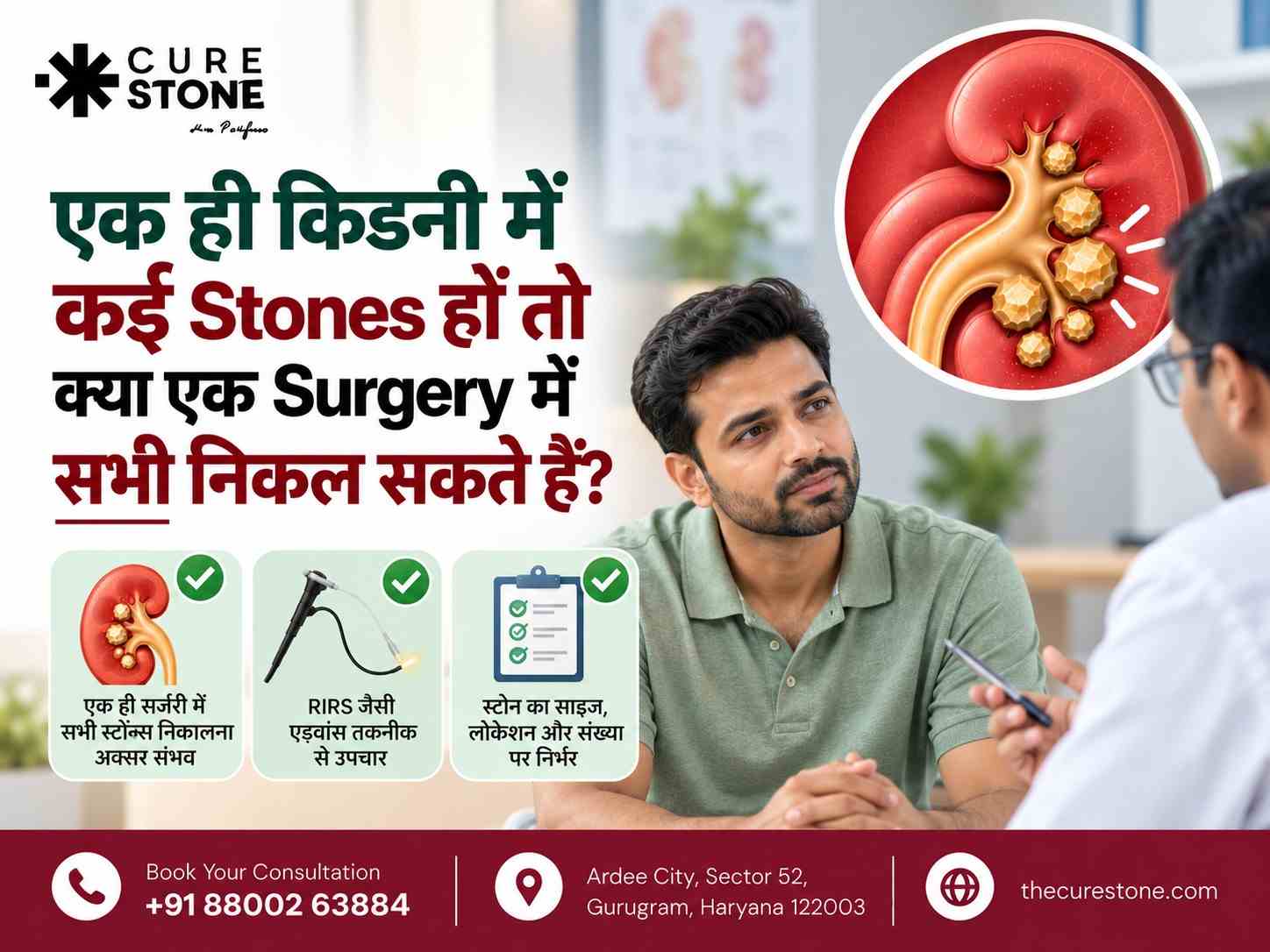
A 100% incision-free procedure using a flexible digital scope passed through natural urinary channels. High-power lasers dust the stone into fine particles that flush out naturally.
Ureteroscopic Lithotripsy (URS / URSL)
A thin, rigid scope is passed into the ureter to locate, fragment with laser energy, and extract mid-to-lower ureteral stones.
Percutaneous Nephrolithotomy (Mini-PCNL)
A keyhole procedure performed through a tiny back incision (less than 1 cm) to break up and extract large (greater than 2 cm) or staghorn stones.
Extracorporeal Shock Wave Lithotripsy (ESWL)
A non-invasive treatment using external acoustic shock waves to fragment small, soft stones into tiny pieces.
7. What is RIRS, and why is it preferred for kidney stones?
Retrograde Intrarenal Surgery (RIRS) is an advanced, flexible endoscopic technique designed to treat kidney stones with maximum precision.
Key advantages of RIRS include:
- 100% Incision-Free: Passed through natural urinary passages, eliminating surgical cuts, stitches, and abdominal scarring.
- High Clearance Rate: Modern laser dusting technology handles hard stones located deep inside difficult kidney calyces.
- Fast Recovery Time: Most patients are discharged within 24 hours and resume normal daily activities within 2 to 3 days.
- Reduced Tissue Impact: Ideal for patients with complex anatomies, solitary kidneys, or recurrent stone formation.
8. Can kidney stones recur after removal?
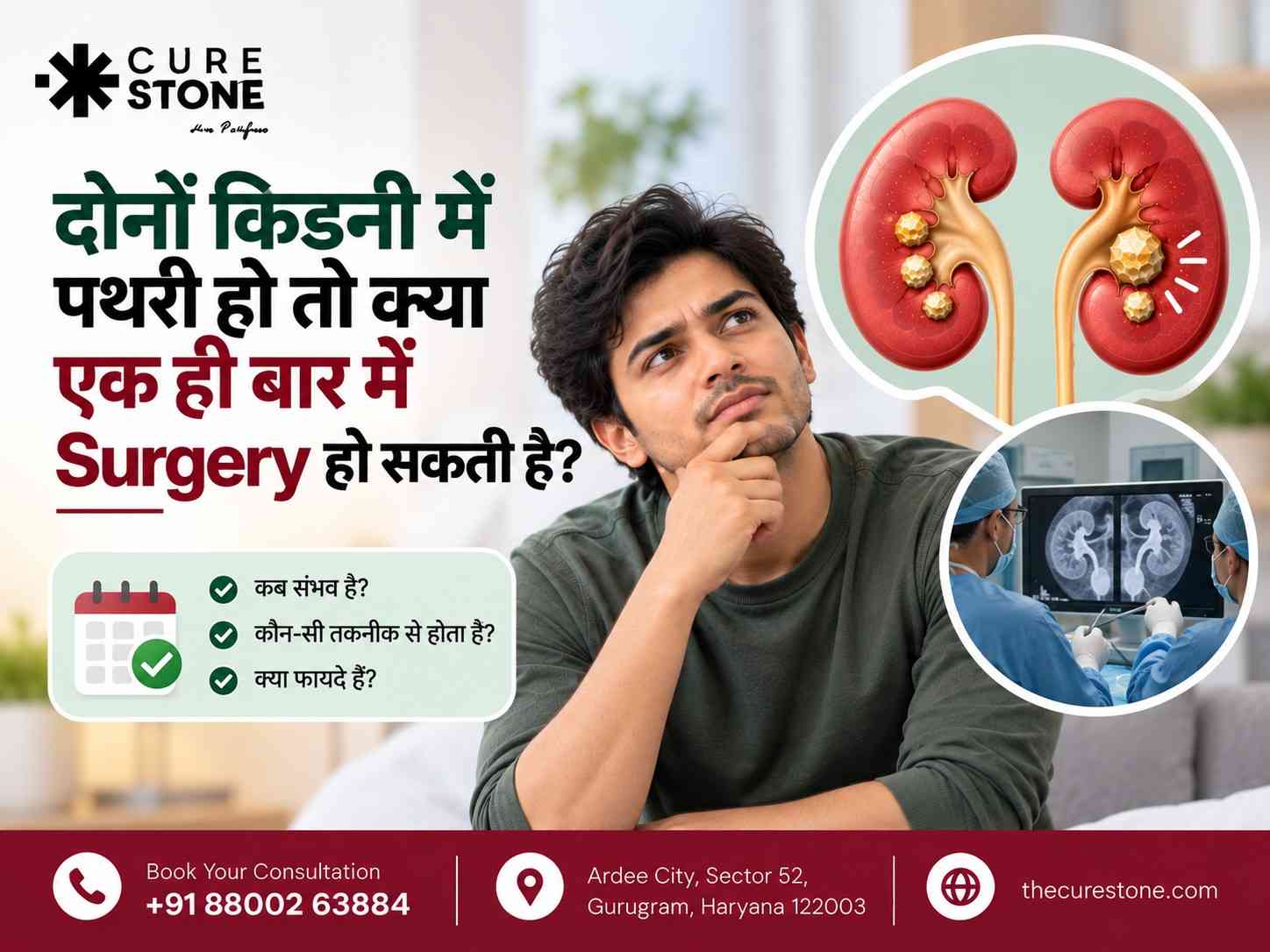
Yes. Without targeted prevention, approximately 50% of patients experience a recurrent kidney stone within 5 to 7 years.
To prevent stone recurrence:
- Drink at least 2.5 to 3.0 liters of fluids daily to keep urine dilute.
- Reduce dietary salt and excess animal protein intake.
- Balance dietary calcium with high-oxalate foods to prevent intestinal absorption of oxalate.
- Schedule a 24-hour urine metabolic evaluation to identify your exact chemical risk factors. Read our comprehensive guide on how to avoid kidney stone recurrence.
9. When should you consult a specialist immediately?
Seek immediate urological attention if you experience:
- Uncontrolled or severe flank pain that does not respond to medication.
- High fever, shivering chills, or cloudy urine signaling an active infection.
- Visible blood clots or significant blood in your urine.
- Complete inability to pass urine due to obstruction.
Expert Kidney Stone Care with Dr. Deepanshu Gupta in Gurgaon
If you are dealing with kidney stone pain or need an expert second opinion in Gurgaon or Delhi NCR, Dr. Deepanshu Gupta at CureStone offers advanced, compassionate care.
Holding an MCh in Urology (Rank 1) with over 12 years of specialized clinical experience, Dr. Gupta has successfully performed over 9,500 endoscopic procedures. He is widely recognized as one of the most experienced RIRS specialists in North India. His areas of expertise include:
- Radiation-Free & Low-Dose RIRS: Advanced flexible laser stone removal performed without unnecessary X-ray radiation exposure.
- FANS-RIRS Suction Laser Surgery: Vacuum-assisted suction technology that removes stone dust in real time, maintaining safe intrarenal pressure and achieving maximum stone clearance. Read our detailed guide on FANS-RIRS suction laser surgery.
- Comprehensive Recurrence Prevention: Full 24-hour urine metabolic profiling and personalized dietary guidance for long-term health.
Do not let kidney stone pain compromise your quality of life, book a consultation with Dr. Deepanshu Gupta today!
Frequently Asked Questions (FAQs)
What is the difference between kidney stone pain and regular back pain?
Kidney stone pain occurs in intense, fluctuating waves below the ribs in the flank or side, often radiating toward the groin. Unlike muscle strain, kidney stone pain does not improve with rest or position changes and is often accompanied by nausea or urinary symptoms.
How long does recovery take after laser kidney stone surgery (RIRS)?
Because RIRS involves zero surgical cuts, recovery is fast. Most patients are discharged within 24 hours and return to light work and routine activities within 2 to 3 days.
Is open surgery ever needed for kidney stone removal today?
Open surgery is virtually obsolete in modern endourology. More than 99% of kidney stones can be safely treated using minimally invasive, incision-free procedures like RIRS, URS, or keyhole Mini-PCNL.
Have Questions About This Topic?
Get a personalized consultation at Cure Stone Hospital, Sector 52, Gurgaon.
Book Consultation