Myths About Kidney Stones You Should Stop Believing
“I don’t eat too much salt — I would not get kidney stones!” “You only get kidney stones when you’re old, right?” “Drinking beer will wash them all away!” Sounds familiar? If you’ve ever heard (or even believed) such things, you’re in good company.
Kidney stones are surrounded by a surprising amount of folklore and bad advice. Misinformation can cause delays in seeking medical attention, prolong severe pain, and even lead to choices that increase your risk of future stones.
Here is the truth behind the 10 most pervasive kidney stone myths.
Myth 1: Only Men Get Kidney Stones
While men historically had higher rates of kidney stones, the gender gap has closed significantly over the past three decades.
The Reality: Anyone can develop kidney stones. Rising rates of obesity, metabolic syndrome, high-sodium diets, and chronic dehydration have caused a sharp increase in stone disease among women and younger populations.
Myth 2: Drinking Beer Will Flush Out a Kidney Stone
This is one of the most widespread—and potentially harmful—myths. While alcohol acts as a diuretic and increases urine volume, it does not dissolve or magically flush out a stone.
The Reality: Excess alcohol intake causes dehydration and increases uric acid levels in the bloodstream and urine. This creates ideal conditions for stone formation. Clear water remains the gold standard for kidney health.
Myth 3: Excess Salt Is the Only Cause of Kidney Stones
Sodium is certainly a major contributor because it increases calcium excretion into your urine, but it is far from the sole culprit.
The Reality: Stone formation is a complex chemical process influenced by multiple dietary and lifestyle factors, including:
- High Oxalate Foods: Spinach, nuts, beets, and dark chocolate.
- Excess Animal Protein: Increases uric acid and reduces urinary citrate (a natural stone inhibitor).
- Low Fluid Intake: Concentrates minerals in the urine, allowing crystals to form.
- Genetics and Metabolic Issues: Conditions like hyperparathyroidism or gout.
Myth 4: Once You Pass a Stone, You Won’t Get Another One
Passing a stone is a major relief, but it does not mean you are immune to future episodes.
The Reality: Without targeted dietary changes, lifestyle adjustments, or medical therapy, approximately 50% of people who have had one kidney stone will form another within 5 to 7 years.
Myth 5: Small "Baby" Stones Don't Need Medical Attention
Many people assume that if a stone is small, it can simply be ignored until it passes.
The Reality: Even small stones (4–6 mm) can lodge in the narrow ureter, causing severe blockage, intense renal colic, or urinary tract infections. While stones under 5 mm frequently pass on their own, they still require monitoring by a urologist to prevent silent kidney damage.
Myth 6: Eliminating Calcium from Your Diet Prevents Stones
Since the most common kidney stones are composed of calcium oxalate, it seems logical to stop eating calcium. However, cutting out dietary calcium actually increases your risk.
The Reality: Dietary calcium binds with oxalates in your digestive tract before they reach the kidneys. When dietary calcium is too low, unabsorbed oxalates enter the bloodstream and pass into the urine, where they form calcium oxalate stones.
Key Rule: Consume recommended amounts of calcium through whole foods (like dairy, leafy green vegetables, and fortified foods) rather than calcium supplements.
Myth 7: Kidney Stones Are Always Painful
The classic image of a kidney stone is someone in agonizing, writhing pain. However, stones do not always hurt right away.
The Reality: "Silent" kidney stones can rest inside the renal pelvis for months or years without causing pain, as long as they do not block urine flow. Left undetected, these silent stones can grow into large staghorn calculi and gradually compromise kidney function. Regular health checkups and ultrasound screenings are key to early detection.
Myth 8: Kidney Stone Surgery Requires Long Hospital Stays
Many people fear stone removal because they envision open surgery with large incisions and weeks of bed rest.
The Reality: Modern urology relies almost entirely on minimally invasive, incision-free procedures:
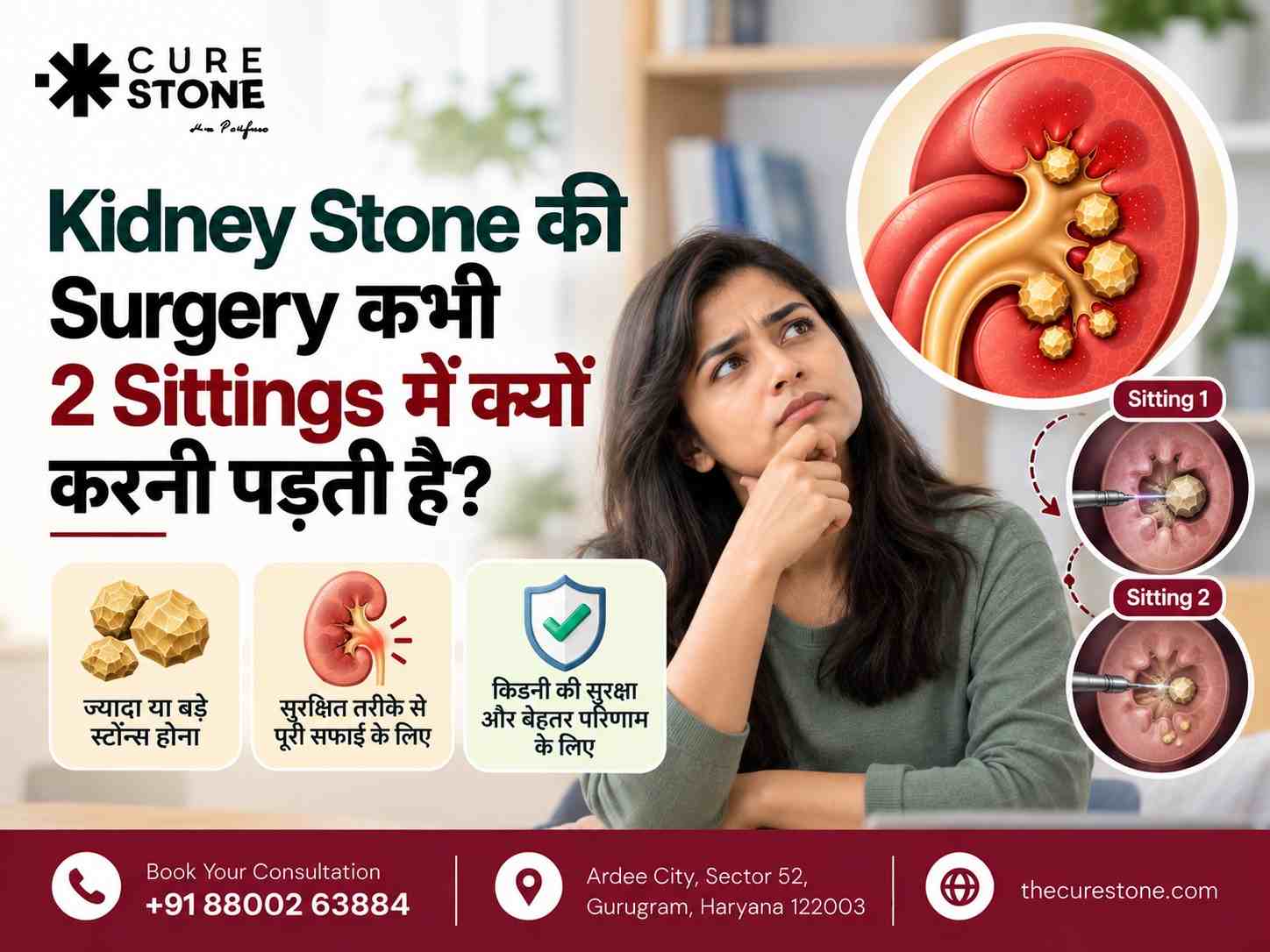
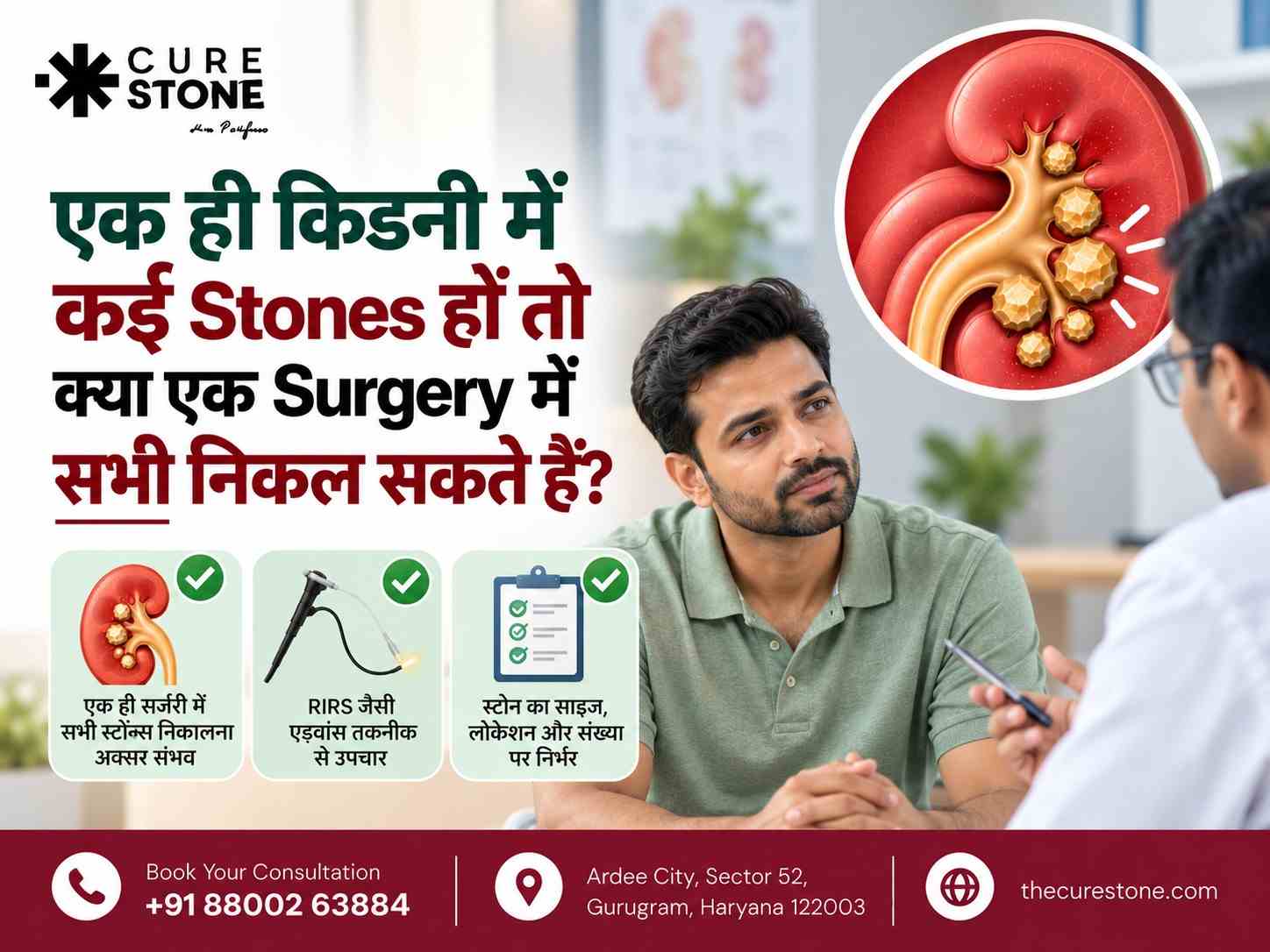
- Retrograde Intrarenal Surgery (RIRS): Uses a flexible scope passed through natural pathways to vaporize stones with lasers.
- Shock Wave Lithotripsy (SWL): Uses external sound waves to break stones into tiny dust fragments.
- Percutaneous Nephrolithotomy (Mini-PCNL): Performed through a tiny keyhole in the back for very large stones.
Most procedures are performed as day-care surgeries, allowing patients to return home the same or next day.
Myth 9: Kidney Stones Are Rare
Kidney stones are far more common than most people realize, particularly in hot climates where dehydration is frequent.
Myth 10: Guzzling Liters of Water Will Instantly Flush a Stuck Stone
When acute back pain strikes, many people try to drink gallons of water at once to "force" the stone out.
The Reality: Sudden over-hydration during an active pain attack increases pressure behind an obstructed kidney, worsening renal colic without helping the stone pass. Preventive, consistent hydration spread throughout the day—aiming for 2.5 to 3 liters daily—is what prevents stone formation. Once a stone is blocked, medical therapy or laser intervention is required.
Advanced Kidney Stone Treatment in Gurgaon with Dr. Deepanshu Gupta
When kidney stone symptoms strike, getting an accurate diagnosis and treatment plan from a specialist prevents complications and ensures a fast recovery.
For patients in Gurgaon and Delhi NCR, Dr. Deepanshu Gupta at CureStone offers advanced, comprehensive urological care:
- Fast, Incision-Free RIRS & Laser Surgery: Advanced techniques designed for minimal downtime and complete stone clearance.
- Metabolic Profiling: Identifying the chemical cause of your stones to stop recurrences before they start.
- Compassionate, Patient-Centered Care: Clear guidance without unnecessary delays or invasive open procedures.
Don't let myths delay your recovery—book a consultation with Dr. Deepanshu Gupta today to ensure optimal kidney health!
Frequently Asked Questions (FAQs)
What is the best drink to prevent kidney stones?
Water is the single best drink to prevent kidney stones. Adding fresh lemon juice or lime juice can also help, as natural citrates help inhibit crystal formation in the urine.
How do I know if a small stone is passing?
Passing a stone typically causes intermittent sharp pain in the side or groin, frequent urge to urinate, burning during urination, and slightly discolored or pink urine.
When should I go to the emergency room for a kidney stone?
Seek immediate emergency medical care if your pain is accompanied by a fever, chills, persistent nausea/vomiting, or an inability to pass urine. These symptoms indicate an infected or completely obstructed kidney.
Have Questions About This Topic?
Get a personalized consultation at Cure Stone Hospital, Sector 52, Gurgaon.
Book Consultation