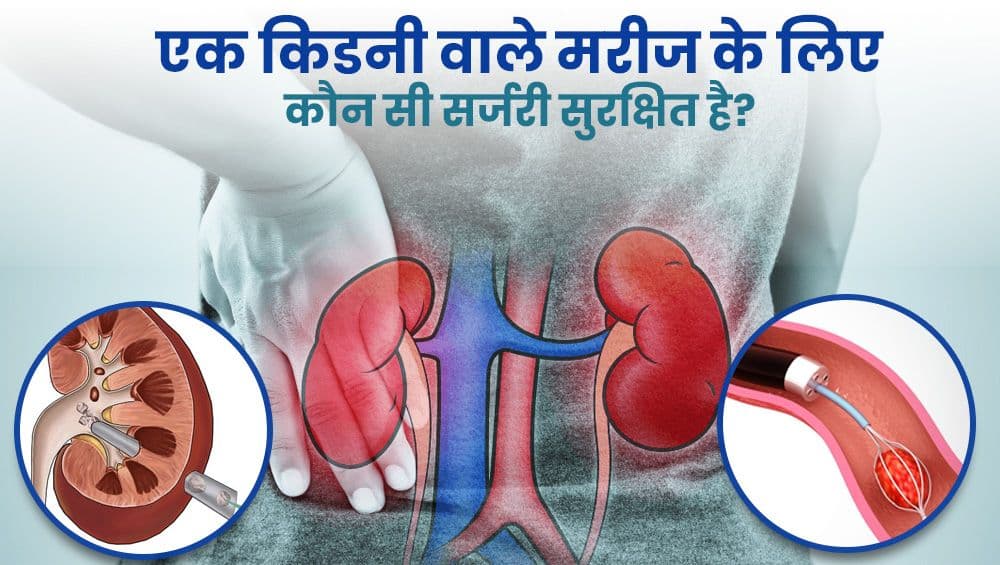
Calcium Stones: Symptoms & Treatments
Among all types of kidney stones, calcium stones are the most common and painful subtype that can interfere with everyday life, causing severe sharp pain in the lower back, hematuria and frequent urination. These stones develop due to excessive calcium levels mixing with other substances, such as oxalate or phosphate, in the kidneys.
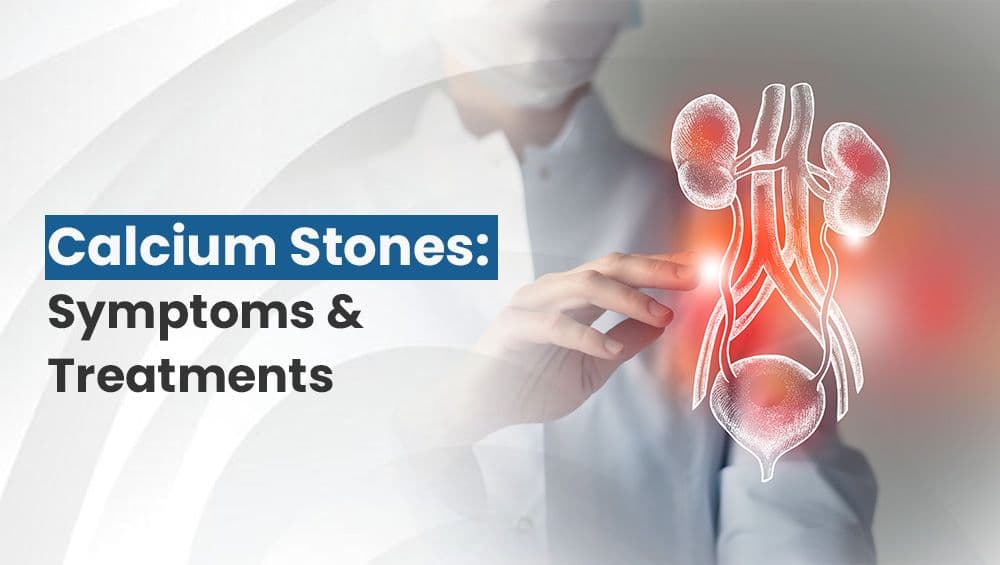
Among all types of kidney stones, calcium stones are the most common and painful subtype that can interfere with everyday life, causing severe sharp pain in the lower back, hematuria, and frequent urination. These stones develop due to excessive calcium levels mixing with other substances, such as oxalate or phosphate, in the kidneys.
This uncertainty over when the next episode might happen is very difficult to live with, affecting work, sleep, and social activities. In addition to pain, calcium stones that reoccur subsequently indicate that there are underlying health issues of dehydration, dietary imbalances, or metabolic disorders which have not been adequately addressed.
The upside is these calcium stones symptoms and treatments are manageable and preventable if you approach them correctly. These can be handled through lifestyle changes and dietary management or very advanced methods, like shock wave lithotripsy or minimally invasive surgical techniques. You can take charge and manage symptoms with a treatment and prevention plan tailored for you while also helping reduce the risk of future stones so that your quality of life stays high.
How are Calcium Stones Formed?
When there is too much calcium in the urine that binds with oxalate or phosphate, calcium stones are formed. This occurs when the urine is highly concentrated with these minerals, and as they start to bond, crystallize. Eventually, these crystals become larger and develop into hard deposits, or stones, in the kidneys.
Several potential causes of calcium stones range from dehydration, diet, heredity, and medical conditions. For example, dehydration may result in more concentrated urine, facilitating calcium and oxalate crystal formation.
An oxalate rich diet, including foods such as spinach, nuts, and chocolate, or excess calcium intake without compensating fluids can also increase the risk of stone formation. Conditions that raise calcium in the blood and urine, such as hyperparathyroidism or kidney diseases, also add to this risk. Knowing this may help you with lifestyle changes and prevention strategies to prevent calcium stones, protect your kidneys, and avoid the pain from stones.
What are the Symptoms if You Have Calcium Stones?
If you have calcium stones, symptoms can range from mild to severe and may vary depending on the stone size, location, and whether it is causing a blockage. Here are the most common symptoms:
- Sharp, Intense Pain: One of the hallmark symptoms of kidney stones is sharp, severe pain in the back, side, or lower abdomen. This pain can come and go and often radiates to the groin area as the stone moves through the urinary tract. The intensity can be debilitating and may require urgent medical attention.
- Blood in the Urine: When calcium stones move or rub against the walls of the urinary tract, they can cause small tears. Medically known as hematuria, this condition leads to blood in the urine. This might appear as pink, red, or brown discoloration, depending on the severity.
- Frequent Urges to Urinate: If a stone is moving closer to the bladder, it can create a persistent feeling of needing to urinate, even if little urine is released each time. This symptom can resemble a urinary tract infection.
- Painful Urination: As the stone moves into the bladder or the ureter, it can cause a burning sensation during urination.
- Nausea and Vomiting: The intense pain associated with kidney stones often triggers nausea or vomiting, as the body reacts to the severe discomfort.
- Cloudy or Foul Smelling Urine: If the stone causes a blockage, it can lead to infection, resulting in cloudy or unusually odorous urine.
- Fever and Chills: If a stone leads to a urinary tract infection, fever and chills may accompany the other symptoms. This is a sign that medical attention is needed promptly to prevent complications.
If you experience these symptoms, especially if they are severe or persistent, it is essential to consult a healthcare provider. Early diagnosis and treatment can help manage pain, clear the stones, and prevent future occurrences.
What are the Treatment Options for Calcium Stones?
Treatment options for calcium stones vary depending on their size, location, and the severity of symptoms. Here is a breakdown of the most popular treatments:
1. FANS RIRS and Standard RIRS
FANS RIRS is a highly sophisticated, minimally invasive method to disintegrate complex kidney stones that are situated in hard to reach areas. The procedure involves passing a flexible ureteroscope through the urethra, to the bladder, and up into the kidney, where the surgeon has direct visualization of the stone. A laser is used to fragment the stone into tiny pieces. While standard RIRS allows these fragments to wash out naturally over time, FANS RIRS uses an advanced suction mechanism to instantly vacuum out all the stone dust during the surgery. This active clearing makes FANS RIRS the superior choice for leaving the kidney completely clean and stone free.
2. External Shock Wave Lithotripsy (ESWL)
External Shock Wave Lithotripsy utilizes noninvasive shock waves to fragment larger stones into smaller pieces, which pass more easily on their own through the urinary tract. The procedure is an entirely noninvasive option for stones that are hard to pass but do not require internal surgery.
3. Ureteroscopy
If the stone is stuck in the ureter, a specialist may suggest a procedure called ureteroscopy. This is a minimally invasive surgery where a thin scope is inserted through the urinary tract to reach and remove or break up the stone. Particularly if a stone causes a painful obstruction, ureteroscopy can quickly relieve it.
4. PCNL (Percutaneous Nephrolithotomy)
For larger or more complicated stones, PCNL may be advised. In this minimally invasive procedure, the doctor will insert a tool through a small cut in your back to access the kidney and take out the stone. In cases where ESWL or a ureteroscopy cannot be performed, PCNL is incredibly effective.
Discover Unmatched Care at Cure Stone
Living with the constant threat of a recurring calcium kidney stone is exhausting, but finding the right medical support does not have to be. At Cure Stone, we provide a haven of advanced urological care designed to eliminate your stones rapidly and painlessly. Our state of the art clinic is fully equipped to perform cutting edge procedures like FANS RIRS, ensuring your kidney is entirely cleared of any painful calcium deposits without a single surgical incision. We go beyond immediate relief by offering comprehensive metabolic evaluations to decode exactly why your body forms stones, providing you with a personalized blueprint for long term prevention. Stop letting kidney stones dictate your life and book your consultation with Cure Stone today to secure a healthier and completely pain free future.
Frequently Asked Questions (FAQs)
What foods should I avoid to prevent calcium oxalate stones?
You should try to limit foods that are extremely high in oxalates, such as spinach, rhubarb, almonds, cashews, and cocoa. However, you do not need to eliminate them completely; simply eating them in moderation and pairing them with a calcium rich food can help prevent stones from forming.
Should I stop eating dairy if I have calcium stones?
No, this is a very common myth! Your body needs calcium to bind with oxalates in your stomach before they reach your kidneys. Cutting out dietary calcium from milk, cheese, or yogurt can actually increase your risk of forming calcium stones.
Can drinking lemon water dissolve a calcium stone?
While lemon water is packed with natural citrate that helps prevent new stones from forming, it cannot dissolve a calcium stone that has already formed inside your kidney. Once a calcium stone develops, it must either pass naturally or be removed medically.
How do I know if my calcium stone is passing?
You will typically feel the pain migrate from your lower back down towards your groin and abdomen. As the stone gets closer to the bladder, you may experience an intense urge to urinate frequently, often accompanied by a burning sensation.
Have Questions About This Topic?
Get a personalized consultation at Cure Stone Hospital, Sector 52, Gurgaon.
Book Consultation