Kidney Cysts: Symptoms & Treatment
Kidney cysts can be a source of concern for you, but the good news is that most cysts are harmless and manageable. These are fluid-filled sacs in the kidneys which generally do not cause discomfort but can cause problems if they become a symptom.
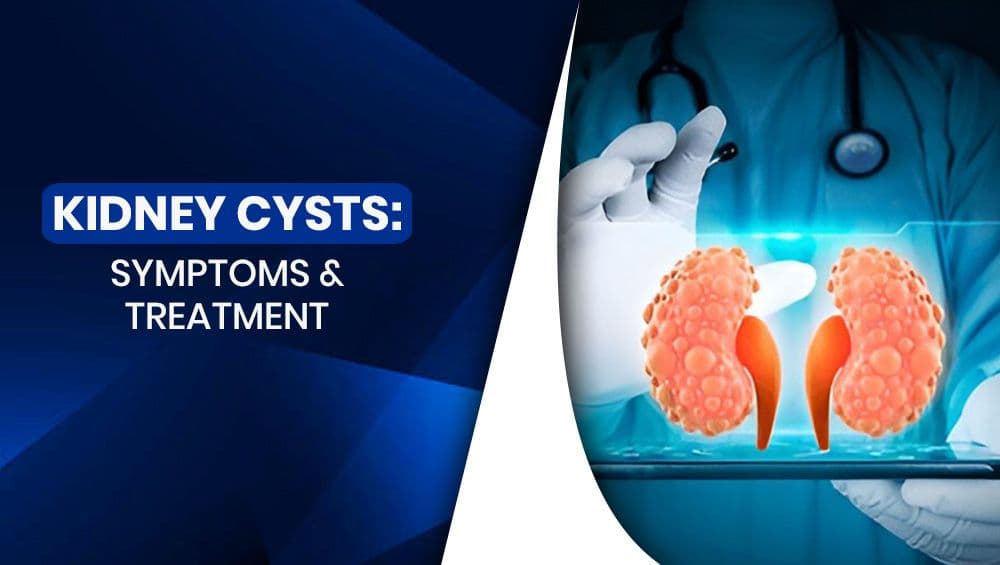
Kidney cysts can be a source of genuine concern when you first hear the diagnosis, but the good news is that the vast majority of these cysts are completely harmless and easily manageable. These are fluid filled sacs in the kidneys which generally do not cause any discomfort, but they can occasionally cause problems if they grow too large or become infected.
Just thinking about kidney cysts what they are, whether they might affect you, and the treatments that are out there is the first and most important step in a new course toward better urinary health. This blog will explain the condition in a clear and comforting style to help you feel empowered with the knowledge to handle this ailment with total confidence.
What Are Kidney Cysts?
Kidney cysts, also known as renal cysts, are small, round sacs with thin walls filled with a watery fluid. These cysts can develop on the surface of the kidneys or deep within their internal structures, called nephrons, as we age.
The kidneys act as the body’s primary filtration system, with nephrons playing a key role. Nephrons consist of a microscopic filter and a tube that removes excess water and waste from the bloodstream, which are then excreted as urine.
Kidney cysts vary in size, typically staying under 2 inches wide, though they can occasionally grow larger or simply remain the same size for decades. While some individuals may develop multiple cysts, others might only ever have one. These cysts can occur in one or both kidneys, depending on the person.
Are Kidney Cysts Harmful?
Most kidney cysts are entirely harmless and are often discovered incidentally during routine imaging tests done for unrelated reasons. These are known as simple kidney cysts and typically do not cause symptoms or require any treatment. They are noncancerous, do not interfere with your kidney function, and rarely lead to complications.
However, there are situations where kidney cysts can become problematic. If a cyst grows too large, it may press against other organs and cause dull discomfort, severe pain, or a heavy sensation of pressure in the abdomen or back, similar to where you feel kidney stone pain. In some cases, cysts can become infected, rupture, or block normal kidney function, leading to more serious medical concerns.
Cysts associated with genetic conditions like polycystic kidney disease require much closer monitoring, as they can impair kidney function over time and may eventually lead to chronic kidney disease. If you are experiencing symptoms such as persistent back pain, blood in the urine, or sudden high blood pressure, it is important to consult a healthcare professional to determine if your cysts are a cause for concern.
The excellent news is that most kidney cysts are easily manageable, and highly effective treatment is available for those that cause complications. Regular checkups and open communication with your doctor can help you stay informed and proactive about your kidney health.
What Are the Different Types of Kidney Cysts?
Kidney cysts can be classified into a few main categories. Each type has distinct characteristics and implications for your overall kidney health.
- Simple Kidney Cysts: These are fluid filled sacs with thin, smooth walls. They are typically small, noncancerous, and have a clear boundary. Most simple cysts do not cause symptoms and are generally harmless. They rarely interfere with kidney function and do not require treatment unless they grow exceptionally large.
- Complex Kidney Cysts: Complex cysts have irregular shapes, thicker walls, or may contain calcium deposits, septations (divisions), or solid components. Complex cysts may sometimes cause pain, bleeding, or other issues. Unlike simple cysts, complex cysts need careful evaluation through advanced imaging to rule out the risk of cancer.
- Polycystic Kidney Disease (PKD) Cysts: PKD is an inherited genetic disorder where multiple cysts grow uncontrollably in both kidneys. These cysts are larger and cause the kidneys to massively enlarge over time. Symptoms include severe pain, high blood pressure, and in advanced cases, kidney failure. PKD requires ongoing medical management.
- Medullary Sponge Kidney Cysts: This is a rare condition where tiny cysts form in the kidney’s inner tubules, leading to a sponge like appearance. While usually not life threatening, it may cause kidney stones, recurrent urinary tract infections, or blood in the urine, requiring symptom management.
Treatment for Kidney Cysts
The treatment approach for kidney cysts depends entirely on their type and whether they are causing you active symptoms. Because proper diagnosis is key, doctors rely heavily on the role of ultrasound and CT scans in diagnosing kidney issues to determine the exact nature of the cyst.
Here is an overview of standard treatment protocols:
- Wait and Watch (Simple Cysts): If a simple cyst is asymptomatic, it is typically harmless and does not require surgical intervention. Your doctor will likely recommend routine imaging tests every few years to monitor its size and progression.
- Cyst Drainage (Symptomatic Cysts): If a cyst grows large enough to cause severe discomfort or block urine flow, drainage is necessary. This is a minimally invasive procedure where the fluid is drained using a long needle guided by ultrasound.
- Laparoscopic Surgery: For large or recurring symptomatic cysts, small incisions are made in the abdomen to permanently remove or alter the cyst wall, providing permanent relief from symptoms.
- Specialized Evaluation (Complex Cysts): Because complex cysts have irregularities or solid features that raise concern for kidney cancer, they require highly detailed evaluation, often involving contrast MRIs or a biopsy to determine the safest course of action.
Healthy Kidneys, Happier You: Trust Cure Stone
Kidney cysts may sound intimidating, but with the right guidance and world class medical care, they can be managed effectively and safely. Kidney health is essential for your overall wellbeing, and staying proactive is the key to preventing long term damage. By addressing your concerns early and exploring the right diagnostic options, you can maintain a healthy and active lifestyle.
Dr. Deepanshu Gupta, the leading urologist at Cure Stone, brings years of specialized experience and unwavering dedication to kidney care. He helps patients navigate their health journeys with deep compassion and clinical precision. From an accurate diagnosis to advanced, minimally invasive treatments, you will receive the expert support and guidance needed for complete peace of mind. Do not let kidney cysts disrupt your life or cause you unnecessary anxiety. Book your appointment with Cure Stone today to take charge of your urinary health.
Frequently Asked Questions (FAQs)
Can a simple kidney cyst turn into cancer?
No, a true simple kidney cyst is benign and does not turn into kidney cancer. However, if a cyst is classified as "complex" on an ultrasound, it requires further testing because complex cysts have a higher risk of containing cancerous cells.
Do kidney cysts cause kidney failure?
Simple kidney cysts do not cause kidney failure or affect how well your kidneys filter blood. However, genetic conditions like Polycystic Kidney Disease (PKD), which cause hundreds of cysts to form, can severely damage healthy tissue and eventually lead to chronic kidney disease.
Should I change my diet if I have a simple kidney cyst?
For an isolated, simple kidney cyst, you do not need to make any drastic dietary changes. A normal, balanced diet with plenty of water is perfectly sufficient.
How do I know if my kidney cyst has ruptured?
If a cyst ruptures, you will likely feel a sudden, sharp pain in your back, side, or abdomen. You may also notice bright red blood in your urine. While a ruptured simple cyst usually heals on its own with rest and fluids, you should always seek immediate medical attention to rule out dangerous infections.
Have Questions About This Topic?
Get a personalized consultation at Cure Stone Hospital, Sector 52, Gurgaon.
Book Consultation