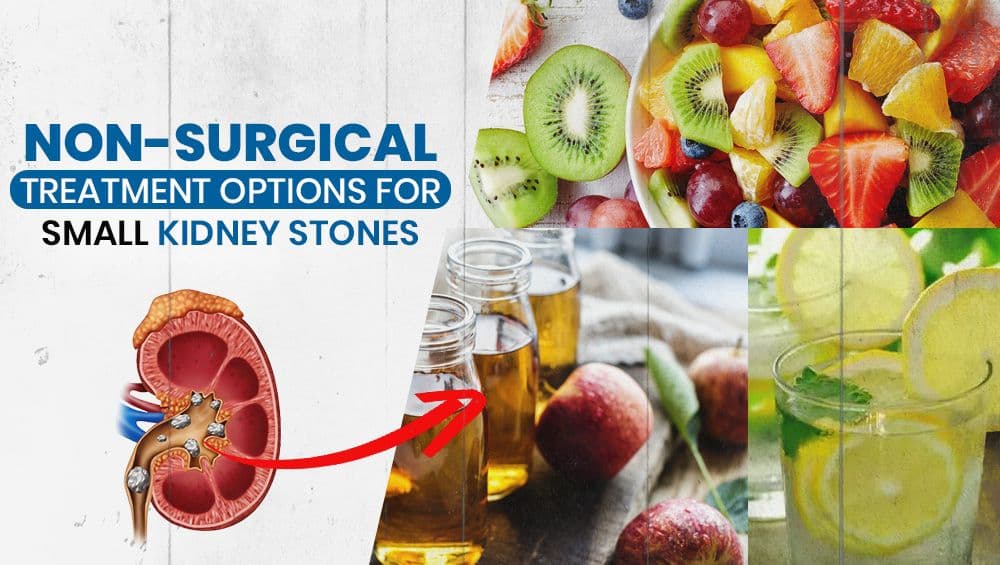
Non-Surgical Treatment Options for Small Kidney Stones
So here we go, let’s talk about kidney stones-and treat it–but without the scalpels! Got an ill-timed, impulsive shot of pain on the side or lower back?
Got an ill-timed, sudden shot of pain in your side or lower back and thought, "This is definitely not a normal pain"? There is a strong possibility that you have a kidney stone. While the word "stone" sounds heavy and alarming, not all cases require a surgical procedure.
In fact, small kidney stones—typically those measuring under 4 to 5 mm—have a high probability of passing on their own through conservative medical management. Science and modern endourology provide safe, effective, and non-invasive pathways to help you clear small stones without ever stepping into an operating room.
Here is a complete guide on how non-surgical options work, when they are effective, and how to prevent future stone formation.
The Basics: Why Small Stones Form and How They Pass
Kidney stones are hard mineral and salt deposits that form inside the renal collecting system. They develop when urine becomes hyper-concentrated with stone-forming minerals like calcium, oxalate, and uric acid.
Stone size plays a decisive role in determining the treatment approach:
- Stones Under 4 mm: Have an 80% or higher chance of passing spontaneously through the urinary tract with adequate hydration and medication.
- Stones 4 mm to 6 mm: Have a moderate chance of passing naturally, often requiring Medical Expulsive Therapy (MET).
- Stones Larger Than 6 mm to 8 mm: Less likely to pass spontaneously and often require minimally invasive procedures if they cause severe pain or blockage.
4 Effective Non-Surgical Solutions for Small Kidney Stones
1. Hydration: Your Primary Defense
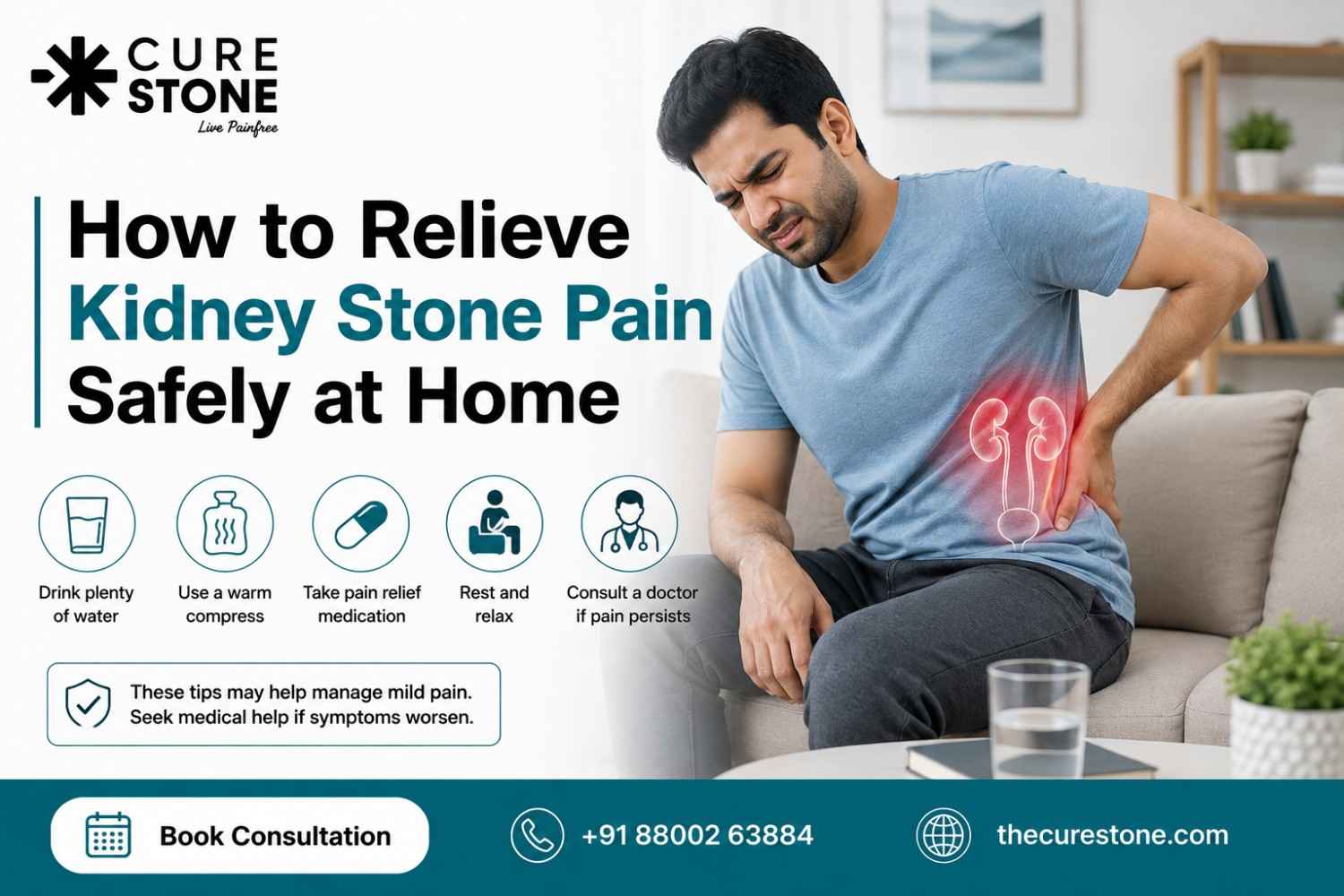
Hydration is the single most important non-surgical therapy for passing small kidney stones. High fluid intake increases urine output, diluting mineral concentrations and physically flushing the stone down the ureter.
- Target Volume: Drink enough fluids to produce at least 2.5 to 3.0 liters of clear urine daily.
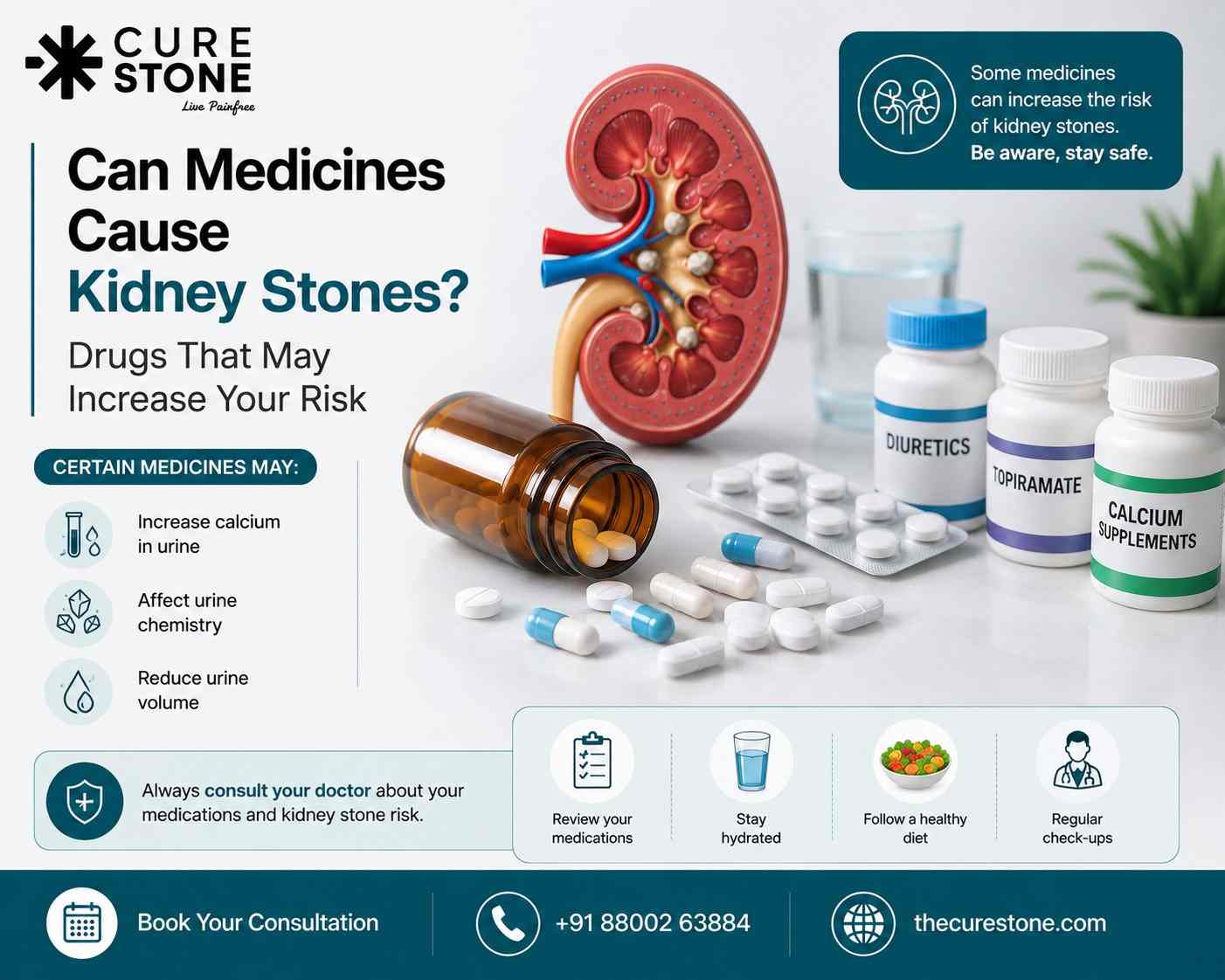
- Add Lemon Juice: Citrate in lemons binds with urinary calcium, preventing crystal aggregation and helping break down smaller stones.
- Avoid Sugary Drinks: Limit high-fructose corn syrup sodas and sweetened beverages, which can elevate urinary calcium and oxalate levels.
2. Medical Expulsive Therapy (MET)
Medical Expulsive Therapy uses prescription medications to relax the smooth muscle lining of the ureter, allowing stones to travel faster and with significantly less pain.
- Alpha-Blockers (such as Tamsulosin): Relaxes the muscles in the lower ureter, reducing spasms and accelerating stone passage.
- Non-Steroidal Anti-Inflammatory Drugs (NSAIDs): Controls renal colic pain and reduces ureteral tissue swelling around the stone.
- Antiemetics: Prescribed if nausea or vomiting accompanies renal pain episodes.
MET is most effective for stones located in the lower (distal) section of the ureter.
3. Dietary Adjustments
What you eat directly impacts your urine chemistry. Adjusting your diet helps clear existing small stones and stops new ones from forming:
- Reduce Sodium Intake: High sodium causes your kidneys to excrete more calcium into the urine, accelerating stone growth.
- Balance Calcium and Oxalate: Do not eliminate calcium. Eating calcium-rich foods alongside high-oxalate foods (like spinach, beets, and nuts) allows calcium and oxalate to bind in the digestive tract rather than in your kidneys.
- Moderate Animal Protein: Excess red meat, poultry, and seafood increase urinary uric acid levels while lowering urinary citrate (a natural stone inhibitor).
4. Lifestyle and Supportive Measures
- Stay Active: Gentle movement and walking help utilize gravity to encourage the stone to shift downward through the urinary tract.
- Do Not Hold Urine: Urinate as soon as you feel the urge to prevent urine stasis and mineral precipitation.
- Manage Weight: Obesity and metabolic syndrome alter urinary pH levels and increase stone risk.
When Non-Surgical Waiting Is No Longer Safe
While conservative management works well for small, uncomplicated stones, waiting too long can lead to complications. Seek immediate medical intervention if you experience:
- Uncontrolled pain that does not respond to prescribed medications.
- Persistent stone retention after 4 to 6 weeks of conservative monitoring.
- Signs of infection, such as high fever, chills, or cloudy, foul-smelling urine.
- Complete urinary blockage or significant kidney swelling (hydronephrosis).
If conservative measures fail, safe, minimally invasive procedures like Retrograde Intrarenal Surgery (RIRS) or Ureteroscopy (URS) can clear the stone without traditional surgical cuts. Read our detailed guide on FANS-RIRS suction laser surgery.
Expert Non-Surgical Stone Care with Dr. Deepanshu Gupta in Gurgaon
Passing a kidney stone safely requires accurate diagnostic tracking to ensure the stone is moving without damaging your kidneys.
For expert urological guidance in Gurgaon and Delhi NCR, Dr. Deepanshu Gupta at CureStone provides comprehensive, patient-centered care. Holding an MCh in Urology (Rank 1) with over 12 years of specialized clinical experience across 9,500+ successful endoscopic procedures, Dr. Gupta emphasizes:
- Accurate Non-Radiation Monitoring: Precise ultrasound tracking to monitor stone movement safely.
- Tailored Medical Expulsive Therapy: Customized prescription protocols to speed up stone passage comfortably.
- Comprehensive Recurrence Prevention: Full 24-hour urine metabolic profiling to identify your specific chemical risk factors and prevent future stones. Read our guide on how to avoid kidney stone recurrence.
Take a safe, guided approach to becoming stone-free—book a consultation with Dr. Deepanshu Gupta today!
Frequently Asked Questions (FAQs)
How long does it usually take for a 3 mm kidney stone to pass?
A small stone under 4 mm typically takes anywhere from a few days to two weeks to pass through the urinary tract, depending on fluid intake, physical activity, and whether Medical Expulsive Therapy (MET) is used.
Can home remedies or beer dissolve kidney stones?
No. Beer does not dissolve kidney stones; while it acts as a diuretic, its alcohol content can lead to dehydration and increase uric acid levels. Home remedies like lemon water provide citrate, which helps prevent growth, but true medical dissolution therapy is only effective for pure uric acid stones under medical supervision.
What should I do if I pass a stone at home?
If you pass a stone while urinating, try to catch it using a fine mesh strainer or clean container. Save the stone fragment and bring it to your urologist for laboratory strain analysis, which reveals its exact chemical composition.
Have Questions About This Topic?
Get a personalized consultation at Cure Stone Hospital, Sector 52, Gurgaon.
Book Consultation