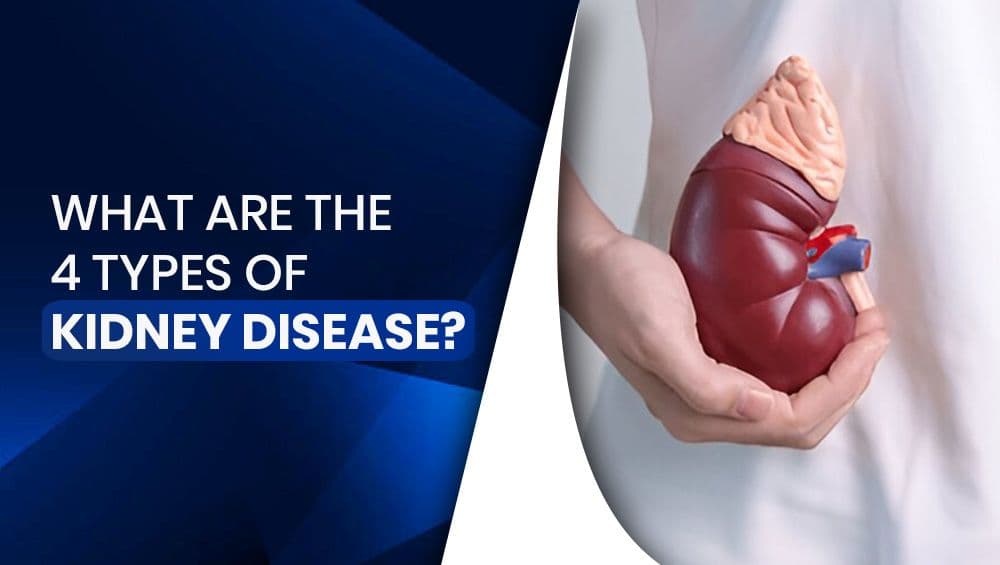
What are the 4 types of kidney disease?
In order to understand how to manage kidney diseases it is extremely important to understand the basic classifications and classifications of diseases in this field. Kidneys provide filtration of wastes to the body and help balance body prerequisites, yet they can encounter hardships because of various inefficiencies.
The kidneys are the unsung heroes of your body, working tirelessly to filter waste and maintain the fluid balance necessary for life. However, they are susceptible to various conditions that can compromise their function. Because these issues often emerge subtly, it is extremely important to understand the basic classifications of kidney disease. By identifying the differences between the major categories, you can take early, proactive steps toward protecting your long-term renal health.
4 Common Types of Kidney Disease
Kidney disease can be categorized into several types, each affecting the renal system differently. Recognizing these conditions is the first step in seeking appropriate treatment and preventing irreversible damage.
1. Polycystic Kidney Disease (PKD)
PKD is a genetic disorder characterized by the development of multiple fluid-filled sacs, or cysts, within the kidneys. Over time, these cysts can enlarge, potentially leading to chronic kidney disease. Because PKD is frequently hereditary, any known family history of the condition warrants frequent screening.
2. Simple Kidney Cysts
Simple kidney cysts are solitary, benign, pouch-like structures containing clear liquid. While most are asymptomatic and harmless, they can grow large enough or become infected, causing significant pressure or pain. If you suspect you have a cyst causing discomfort, it is vital to consult a specialist to determine the appropriate course of action.
3. Kidney Infection (Pyelonephritis)
This condition occurs when a urinary tract infection spreads to the kidneys. Symptoms typically include fever, back pain, and a frequent, urgent need to urinate. If left untreated, pyelonephritis can lead to severe kidney scarring. Immediate antibiotic intervention is usually required.
4. Kidney Stones (Nephrolithiasis)
Kidney stones are hard mineral deposits that form within the renal system. They vary in size and can cause excruciating pain, especially during urination. If not properly managed or prevented, stones can cause recurrent blockages that significantly impair kidney function.
What Are the Risk Factors for Kidney Disease?
Your kidneys are responsible for regulating fluid, electrolytes, and blood pressure. While genetics play a role, lifestyle and underlying health conditions are major determinants of kidney health. Here are the key risk factors to be aware of:
- Chronic Conditions: Diabetes and hypertension (high blood pressure) are leading causes of kidney damage, as high blood sugar and elevated pressure gradually destroy the delicate blood vessels in the kidneys.
- Genetic Predisposition: A family history of conditions like Polycystic Kidney Disease (PKD) significantly increases your risk.
- Lifestyle Choices: Smoking reduces blood flow to the kidneys, while obesity places excessive stress on renal function and is a known contributor to diabetes and hypertension.
- Medication and Toxin Exposure: Long-term use of certain painkillers, specifically non-steroidal anti-inflammatory drugs (NSAIDs), can be nephrotoxic over time.
- Dehydration: Chronic dehydration is a primary driver for the formation of kidney stones and heightens the risk of infection.
- Acute Issues: Recurrent kidney infections or untreated kidney stones can create scar tissue and long-term damage.
Expert Kidney Stone Care With Dr. Deepanshu Gupta
Kidney stones and other urological issues can significantly impact your quality of life if left untreated. At Cure Stone, under the guidance of Dr. Deepanshu Gupta, a leading urologist in Gurgaon, you can find comprehensive, patient-centric solutions for your urological health.
Dr. Gupta specializes in modern, minimally invasive procedures. Whether you are dealing with large, complex stones or stones resistant to other treatments, he utilizes advanced techniques like FANS RIRS to ensure a safe, incision-free, and swift recovery. Beyond stone removal, Dr. Gupta focuses on the "why" behind your condition—offering metabolic evaluations, nutritional guidance, and lifestyle modifications to prevent future recurrence.
Don’t let kidney stones disrupt your life. Book your consultation today to benefit from state-of-the-art facilities and compassionate, expert-led care.
Frequently Asked Questions (FAQs)
What is the difference between a simple cyst and Polycystic Kidney Disease (PKD)?
A simple cyst is usually a single, benign sac that causes no health issues. In contrast, PKD is a genetic condition involving hundreds of cysts that gradually replace healthy kidney tissue, eventually leading to chronic kidney disease.
Can dehydration really cause kidney stones?
Yes. When you are dehydrated, your urine becomes concentrated, allowing minerals and salts to crystallize and form stones. Increasing your water intake is the most effective way to prevent this. If you are concerned about your stone risk, read more about how to avoid kidney stone recurrence.
Why do some people get kidney stones while others do not?
It is a combination of genetics, diet, and underlying medical conditions. If you have a family history or metabolic disorders, you are at a higher risk. You can learn more about who is susceptible by visiting our guide on who can get kidney stones.
Are there symptoms of kidney disease I should look out for?
Kidney disease often stays silent until it is advanced. However, warning signs can include persistent lower back pain, blood in the urine, swelling in the legs, or sudden changes in urination patterns. If you experience these, schedule a checkup immediately.
Have Questions About This Topic?
Get a personalized consultation at Cure Stone Hospital, Sector 52, Gurgaon.
Book Consultation