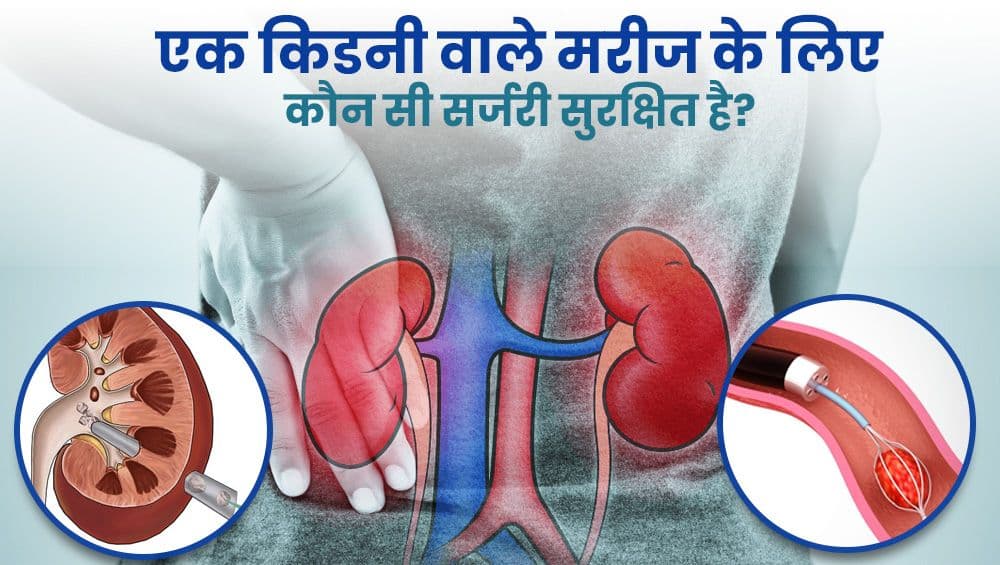
Are There Any Risks of PCNL Surgery?
Percutaneous Nephrolithotomy (PCNL) is one of the most utilized surgical procedures in treating kidney stones because of its efficiency in doing so. However, like all surgical procedures, this method lacks absolute safety, as it poses some risks and complications, especially in cases of advanced kidney stones.
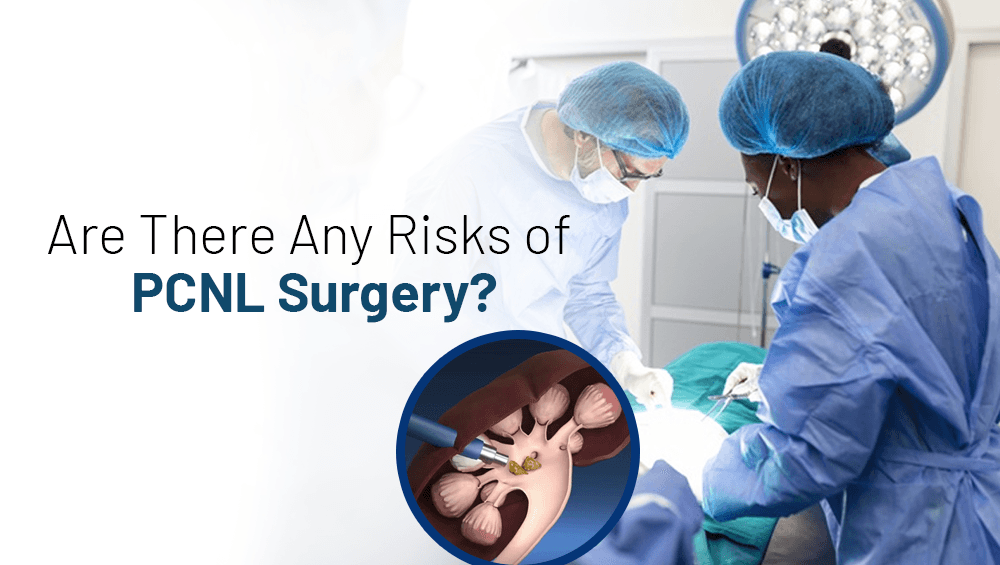
Percutaneous Nephrolithotomy (PCNL) is widely considered the gold standard procedure for removing large, dense, or complex staghorn kidney stones (> 2 cm). While PCNL offers unmatched stone clearance rates in a single sitting, it is a keyhole surgical procedure that carries specific risks and potential complications.
Understanding these risks, who is at higher risk, and how modern surgical techniques minimize complications can help you approach your treatment with confidence.
In this guide, we review the potential complications of PCNL surgery, risk factors, and best practices for a safe, smooth recovery.
What Is PCNL Surgery?
PCNL is a minimally invasive keyhole procedure performed when stones are too large or complex for incision-free techniques like RIRS or Shock Wave Lithotripsy (ESWL).
How PCNL Is Performed:
- Keyhole Entry: The urologist creates a small, 1 cm incision in the back to gain direct access to the kidney's collecting system.
- Nephroscope Insertion: A specialized camera (nephroscope) is guided into the kidney through a working sheath.
- Stone Fragmentation: Pneumatic, ultrasonic, or laser energy shatters large stones into manageable pieces.
- Direct Extraction: Stone fragments are vacuumed out or removed with microscopic graspers.
- Drainage Placement: A temporary nephrostomy tube or internal DJ stent may be placed to ensure clear urine drainage during initial healing.
Potential Complications of PCNL Surgery and Management
Although PCNL has a high success rate, being aware of possible post-operative complications ensures timely management:
1. Internal Bleeding (Hemorrhage)
- Why It Happens: The kidney is a highly vascular organ. Navigating instruments through renal tissue can occasionally disrupt blood vessels.
- Management: Minor post-operative bleeding is normal and resolves with bed rest and IV fluids. Severe bleeding is rare and managed promptly via angiographic embolization (a targeted procedure to seal the bleeding vessel).
2. Infection and Fever
- Why It Happens: Large or staghorn stones often harbor trapped bacteria. Shattering these stones can release bacteria into the urinary tract.
- Management: Prophylactic antibiotics are administered before and after surgery. Drinking plenty of fluids helps flush out residual bacteria and prevents post-op urinary tract infections (UTIs).
3. Injury to Surrounding Organs
- Why It Happens: Due to the kidney's anatomical proximity to the pleura (lung lining), colon, or spleen, keyhole tract creation requires precise navigation.
- Management: Experienced urologists use continuous real-time ultrasound and fluoroscopic imaging to guide tract placement safely, reducing organ injury risks to under 1%.
4. Residual Stone Fragments
- Why It Happens: In complex, multi-branched staghorn stones, tiny micro-fragments may remain in hard-to-reach kidney calyces.
- Management: Post-op imaging (NCCT or USG) confirms stone clearance. Any remaining micro-dust can be cleared naturally or treated with an incision-free follow-up like RIRS laser surgery.
5. Fluid Accumulation (Urinary Extravasation)
- Why It Happens: Irrigation fluid used during surgery or urine from the keyhole tract can occasionally collect in surrounding tissues.
- Management: Temporary drainage tubes or DJ stents ensure fluid drains safely into the bladder, allowing the kidney tract to seal naturally within a few days.
Who Is at Higher Risk for PCNL Complications?
Certain clinical factors increase surgical complexity:
- Patients on Blood Thinners / Bleeding Disorders: Requires careful pre-operative medication adjustment.
- Staghorn Calculi or Massive Stone Burden: Requires longer operative time and precise multi-tract planning.
- Active Urinary Infections: Must be treated with targeted antibiotics prior to surgery.
- Anatomical Variations or Severe Obesity: Requires specialized miniaturized equipment and advanced ultrasound guidance.
How to Minimize PCNL Surgical Risks
- Choose an Experienced Endourologist: Surgical expertise directly correlates with lower complication rates, precise tract creation, and faster operating times.
- Consider Mini-PCNL: Ultra-miniaturized scopes use needle-sized entry tracts, drastically reducing tissue trauma, bleeding risks, and hospital stays compared to standard PCNL.
- Follow Pre-Op Protocols: Stop blood thinners as instructed by your doctor and complete prescribed antibiotic courses prior to admission.
- Maintain Post-Op Hydration: Drink 2.5 to 3 liters of water daily to flush the kidney and maintain clear urine flow.
Consult Top Kidney Stone Specialist Dr. Deepanshu Gupta
Minimizing surgical risks during complex stone procedures relies on advanced technology and surgical precision.
Dr. Deepanshu Gupta at Cure Stone is a leading endourologist in Gurgaon with extensive clinical experience, having completed over 9,500 successful endoscopic surgeries. Specializing in Mini-PCNL, radiation-free (fluoroscopy-free) RIRS, and high-efficiency FANS RIRS suction techniques, Dr. Gupta provides individualized, minimally invasive treatments engineered for maximum stone clearance and patient safety.
If you are planning surgery for large or complex kidney stones, book a consultation with Cure Stone today for an expert evaluation!
Frequently Asked Questions (FAQs)
How long is the hospital stay for PCNL surgery?
Most patients undergoing standard PCNL or Mini-PCNL remain in the hospital for 1 to 2 days for observation before being discharged.
What is the difference between standard PCNL and Mini-PCNL?
Standard PCNL uses an entry sheath size of around 24–30 Fr, ideal for massive staghorn stones. Mini-PCNL uses much smaller sheaths (14–18 Fr), resulting in less tissue trauma, minimal bleeding, and a faster recovery.
How long does it take to fully recover after PCNL?
Most patients resume light daily activities within 3 to 5 days, with full recovery and clearance for strenuous exercise in 1 to 2 weeks.
Have Questions About This Topic?
Get a personalized consultation at Cure Stone Hospital, Sector 52, Gurgaon.
Book Consultation