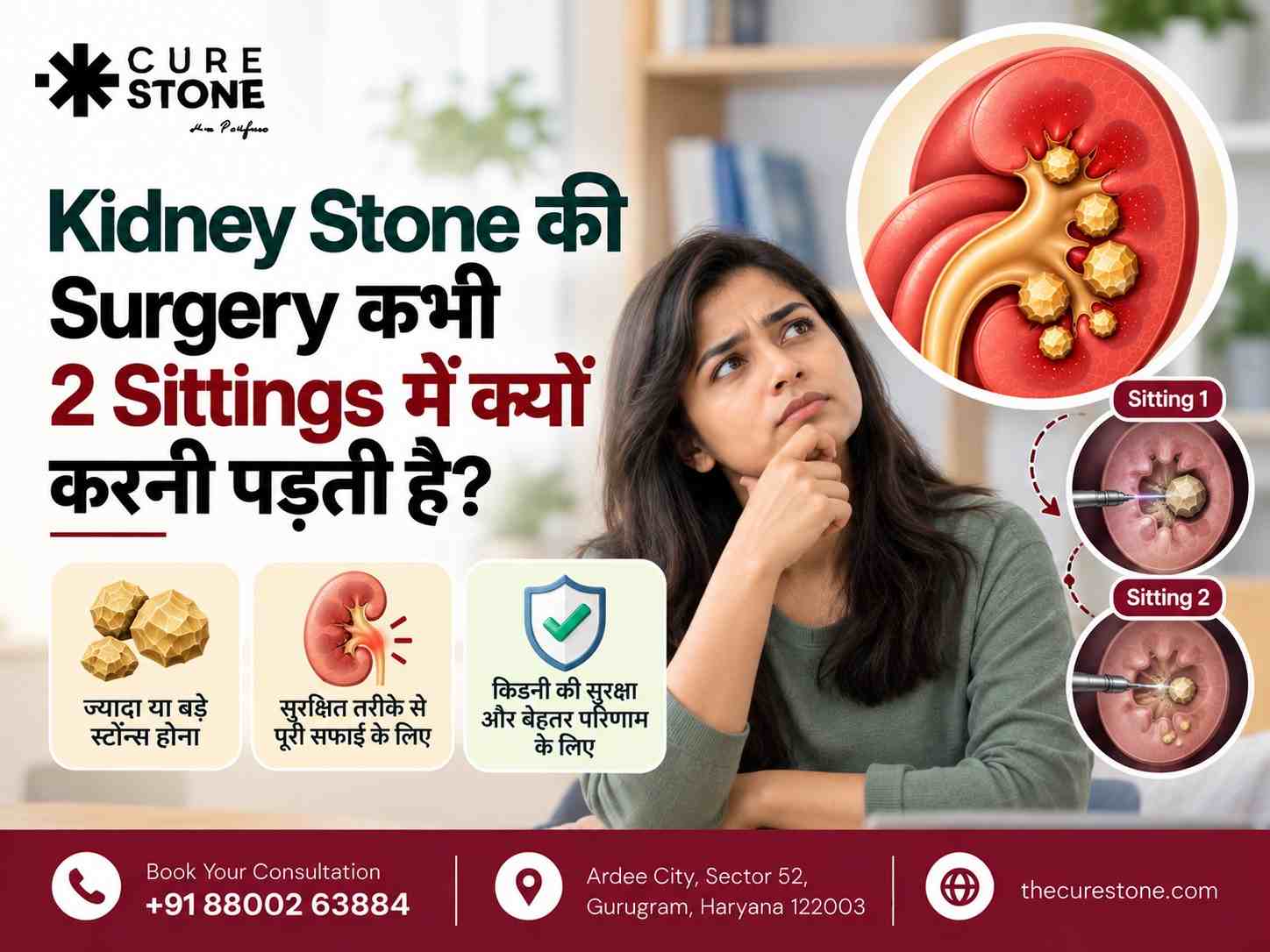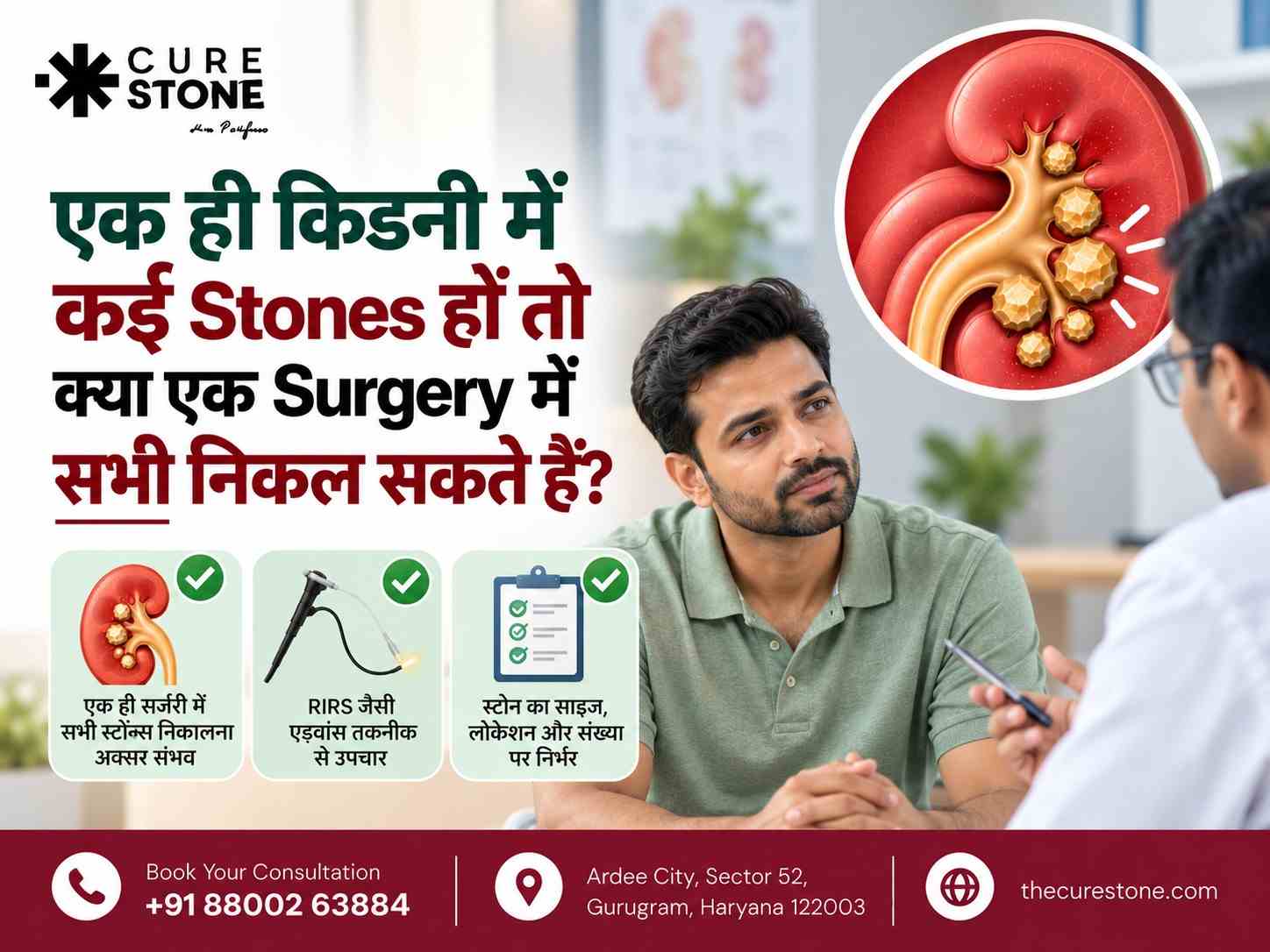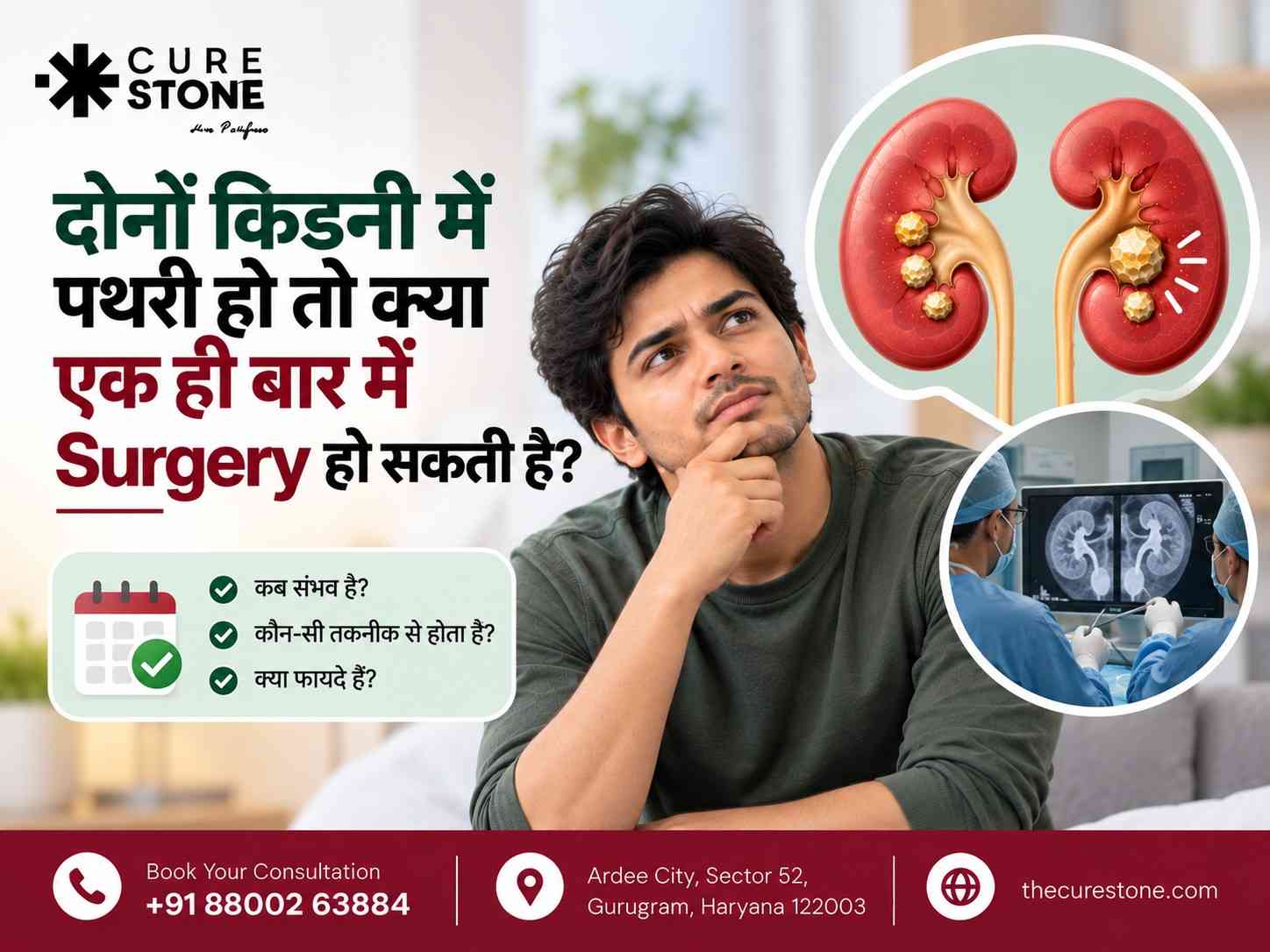
Best RIRS in Gurgaon – Kidney Stone Treatment
Kidney stones can occur in people of all ages and are a source of extreme pain and discomfort. Fortunately, modern medicine is allowing for the development of treatment options which are new, more precise, less invasive and more accommodating.
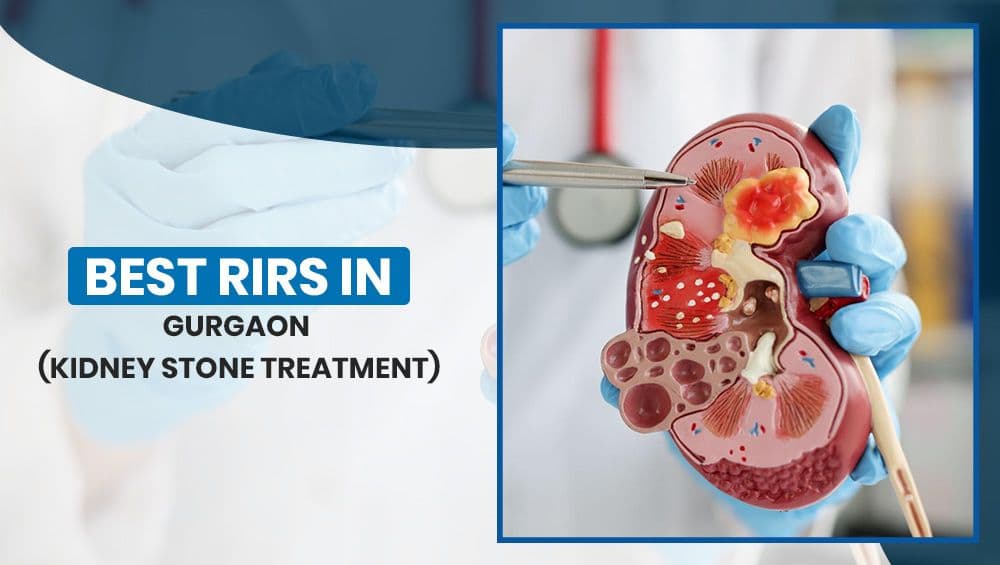
Advanced RIRS Laser Surgery in Gurgaon: Complete Guide, Recovery & Cost
Kidney stones can occur in people of all ages and are a source of extreme pain and discomfort. Fortunately, modern medicine has made remarkable strides, offering precise, incision-free treatment options.
One of the greatest advancements in modern urology is Retrograde Intrarenal Surgery (RIRS)—a state-of-the-art endoscopic procedure that clears kidney stones using focused laser energy through your body's natural pathways.
If you are looking for the best RIRS treatment in Gurgaon, this comprehensive guide covers everything you need to know about the procedure, its benefits, costs, and recovery.
What Is RIRS (Retrograde Intrarenal Surgery)?
RIRS is a advanced, endoscopic technique designed to treat kidney stones located inside the kidney or upper ureter.
Unlike traditional surgeries, RIRS involves zero surgical cuts or stitches. Instead, a specialized, ultra-thin flexible fiber-optic camera (ureteroscope) is gently guided through the urethra, into the bladder, and up into the kidney. Once the stone is visualized in high definition, a high-precision Holmium or Thulium Fiber laser pulverizes the stone into fine dust or tiny fragments.
Urethra ➔ Bladder ➔ Ureter ➔ Kidney ➔ Laser Fragmentation & Suction
Traditional RIRS vs. FANS RIRS (Suction RIRS)
While standard RIRS breaks stones into dust and allows them to pass naturally in urine over time, advanced clinics now utilize FANS RIRS (Flexible All-seeing Needle / Suction RIRS). FANS RIRS incorporates an integrated vacuum sheath that instantly vacuums out stone dust during the surgery, offering higher immediate stone clearance, lower intrarenal pressure, and significantly reduced risk of post-op infection.
Who Is an Ideal Candidate for RIRS?
RIRS is particularly beneficial for complex cases where other methods may fail or prove unsafe:
- Stones sized 5mm to 20mm located deep within the kidney (e.g., lower pole).
- Patients who have failed other treatments, such as shock wave lithotripsy (ESWL).
- Individuals with bleeding disorders or those taking blood thinners.
- Obese patients or those with anatomical kidney variations.
- Children, elderly individuals, or patients with a single working kidney.
Major Benefits of RIRS Laser Surgery
- 100% Scarless & Incision-Free: Performed completely through natural urinary passages.
- Same-Day Discharge: Most patients go home on the same day or within 24 hours.
- Minimal Post-Operative Pain: No surgical wounds mean minimal discomfort, managed easily with simple oral medications.
- High Precision & Safety: Directly targets hard-to-reach stones with pinpoint laser accuracy.
- Rapid Recovery: Return to light daily activities within 2 to 3 days.
What Happens During the RIRS Procedure?
- Preparation & Anesthesia: The patient receives spinal or general anesthesia for maximum comfort throughout the surgery.
- Scope Insertion: The surgeon guides the flexible ureteroscope through the urethra and bladder directly into the kidney's collecting system.
- Laser Stone Pulverization: Using high-definition visual cameras, the urologist directs laser fiber to shatter the stones into fine dust particles.
- Clearance & Stenting: Fine fragments are retrieved using micro-baskets or instantly vacuumed out with suction sheaths. A temporary DJ stent is usually placed inside the ureter for 1 to 2 weeks to ensure smooth urine drainage and prevent swelling.
Cost of RIRS Surgery in Gurgaon
The cost of RIRS in Gurgaon typically ranges between ₹70,000 and ₹1,50,000, depending on several factors:
| Expense Factor | Details |
|---|---|
| Stone Complexity & Size | Larger (>1.5 cm) or multiple stones requiring advanced laser suction equipment. |
| Hospital Choice & Room Category | Choice between day-care facilities, private rooms, or deluxe suites. |
| Surgeon's Expertise | Surgical fees based on clinical skill and specialized experience. |
| Diagnostics & Pre-Op Workup | NCCT scans, blood tests, urine cultures, and post-op follow-ups. |
Note: RIRS is a medically necessary procedure covered under most private and corporate health insurance plans in India.
Recovery and Aftercare Tips
- Hydrate Well: Drink plenty of water (2.5 to 3 liters daily) to help flush out any microscopic residual dust.
- Manage Mild Discomfort: A slight burning sensation during urination for 24–48 hours is normal and easily managed with prescribed anti-spasmodics.
- Avoid Strenuous Activity: Rest for the first few days and avoid heavy lifting or high-impact exercise for at least 1 to 2 weeks.
- Follow Up for Stent Removal: If a temporary DJ stent was placed, return for a brief 5-minute outpatient clinic procedure to retrieve it as scheduled.
Consult an Expert Urologist in Gurgaon
For world-class, incision-free kidney stone removal, expert clinical execution is paramount.
Dr. Deepanshu Gupta, a premier urologist at Cure Stone, specializes in advanced laser surgery for kidney stones and high-precision FANS RIRS suction techniques. Combining cutting-edge technology with compassionate care, Dr. Gupta delivers exceptional success rates, rapid recovery, and comprehensive plans to prevent stone recurrence.
Don't let kidney stone pain disrupt your life. Book a consultation with Cure Stone today to start your journey toward a stone-free life!
Frequently Asked Questions (FAQs)
How long does an RIRS procedure take?
The surgery usually takes between 45 to 90 minutes, depending on the size, hardness, and number of kidney stones.
Is RIRS better than PCNL?
For stones under 2 cm, RIRS is generally preferred because it requires no keyhole incisions, carries lower risk of bleeding, and offers a faster recovery time. For larger stones (>2 cm), PCNL remains the gold standard.
How soon can I resume work after RIRS surgery?
Because there are no surgical wounds or stitches, most patients resume light desk work within 2 to 3 days after the procedure.
Will I have blood in my urine after RIRS?
Seeing a light pinkish tint in your urine for 24 to 48 hours is normal due to mild mucosal irritation. Drinking plenty of fluids quickly resolves this.
Have Questions About This Topic?
Get a personalized consultation at Cure Stone Hospital, Sector 52, Gurgaon.
Book Consultation