Laser Surgery For Kidney Stones
Kidney stones are not only painful but can significantly disrupt your daily life. The sharp, sudden pain, difficulty in passing urine, and constant discomfort make finding an effective treatment a priority for anyone dealing with this condition.
Kidney stones are not only agonizingly painful but can significantly disrupt your daily life. The sharp and sudden pain, difficulty in passing urine, and constant discomfort make finding an effective treatment a top priority for anyone dealing with this condition. Thankfully, remarkable advancements in medical technology have introduced laser surgery—a modern, minimally invasive solution that effectively tackles kidney stones with absolute precision and ease.
Laser surgery for kidney stones, often referred to as laser lithotripsy, uses highly concentrated laser energy to break down stones into tiny fragments, which can then be passed naturally or instantly vacuumed out during the procedure. This method has gained immense popularity due to its exceptionally high success rate, reduced risk of complications, and lightning-fast recovery time compared to traditional open surgical options.
In this comprehensive guide, we will delve deeper into how laser surgery works, the incredible advantages it offers over other treatments, and exactly who might be the ideal candidate for this procedure.
What is Laser Surgery for Kidney Stones?
Laser surgery for kidney stones is a highly advanced, minimally invasive procedure used to shatter kidney stones into smaller, passable fragments. It is generally performed when kidney stones have grown too large to pass naturally or when they start causing severe pain, infections, or dangerous blockages in the urinary tract. You can easily avoid wondering what happens if you do not remove kidney stones by addressing them early with this safe technology.
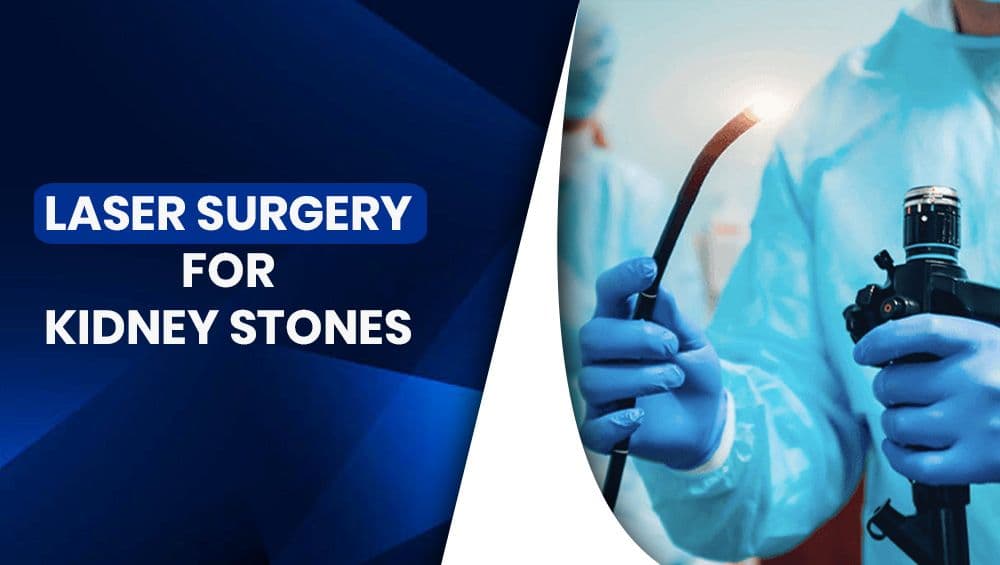
During the procedure, a thin and flexible tube called a ureteroscope is gently inserted through the urethra and bladder to reach the stone directly. Once the stone is located via the integrated camera, a high-powered laser beam is fired to fragment the dense stone into tiny dust particles. These fragments can then pass naturally through the urine, or in advanced procedures, be physically removed by the surgeon before you even wake up.
Laser surgery is widely considered one of the safest and most effective treatments for urinary stones. It offers several unmatched benefits, including surgical precision, zero external cuts, minimal damage to surrounding delicate tissues, and a drastically faster recovery compared to traditional surgical methods. It is the gold standard recommendation for patients who need a quick and permanent solution to alleviate their agonizing symptoms.
Types of Laser Surgeries for Kidney Stones
While most procedures fall under the main category of laser lithotripsy, the surgical approach can vary based on the specific technology used and the unique anatomical needs of the patient. Below are the most common types and techniques:
- Holmium Laser Lithotripsy (HoLEP): This is the most widely used laser technology for kidney stones. The holmium laser breaks kidney stones into fine dust using intense pulses of laser energy. The smaller pieces are then passed naturally or extracted. Holmium lasers are highly versatile and effective for stones of varying sizes and densities.
- Thulium Fiber Laser Lithotripsy: A brilliant newer advancement, the thulium fiber laser offers an even more precise and efficient way to fragment kidney stones. It generates continuous energy, allowing for better control and faster stone fragmentation. This technique is rapidly gaining popularity for its reduced operating time and increased clinical safety.
- Hybrid Laser Lithotripsy: This method combines holmium and thulium technologies to offer tailored treatment for larger or highly complex kidney stones. By utilizing both pulsed and continuous laser energy modes, hybrid techniques maximize stone-breaking effectiveness while minimizing any heat damage to surrounding tissues.
- Contact Laser Lithotripsy: This involves the direct, physical application of the laser fiber against the kidney stone through a ureteroscope. It is particularly effective for stones trapped in the ureters or bladder, ensuring precise targeting of the stone without affecting the ureteral walls.
- Non-Contact Laser Lithotripsy: In this older method, the laser energy is applied at a short distance from the stone. It is less commonly used today due to the superior precision of contact methods, but it may still be an option in certain specific cases.
Factors That Determine the Choice of Laser Surgery
The decision to opt for a specific type of laser surgery, or a specialized procedure like FANS RIRS, depends heavily on several factors. Each case is completely unique, and understanding these factors helps urologists tailor the treatment plan to ensure optimal results:
- Size of the Stones: Larger stones (above 2 cm) may require more advanced continuous lasers or a combination of treatments, as breaking them into passable fragments takes longer. Smaller stones are typically easier to manage and require less intense pulsed energy.
- Location of the Stones: Stones located deep within the lower pole of the kidney require highly flexible ureteroscopes to navigate the complex delicate structures. Conversely, ureteral stones are often treated with rigid scopes and direct contact lithotripsy.
- Composition of the Stones: The specific type of stone affects how easily it can be fragmented. Harder stones, such as calcium oxalate monohydrate, may require the continuous power of thulium fiber lasers, while softer uric acid stones respond beautifully to standard pulsed holmium energy.
- Patient Health Conditions: Patients with underlying health issues, such as diabetes, obesity, or heart conditions, need minimally invasive and shorter procedures to reduce surgical risks under anesthesia. Laser surgery is heavily preferred here due to its rapid recovery profile.
- Anatomical Considerations: The anatomy of the patient's urinary tract plays a crucial role. Narrow ureters, congenital abnormalities, or scar tissue from previous surgeries can make accessing the stone highly challenging.
- Pregnancy or Special Situations: For pregnant patients or those with strict contraindications to general anesthesia, alternative approaches or highly tailored, low-power laser techniques may be considered to ensure the safety of both mother and child.
- Surgeon Expertise and Hospital Resources: Advanced facilities equipped with newer technologies like thulium fiber lasers offer far more efficient treatment options. The availability of a highly skilled urologist familiar with how RIRS is performed ensures a safer, faster, and much more effective procedure.
By customizing the laser approach based on these factors, patients enjoy much higher success rates, a drastically reduced risk of complications, and the fastest possible return to their normal lives.
Expert Urological Care With Cure Stone
When it comes to treating painful kidney stones with advanced laser technology, Dr. Deepanshu Gupta stands as one of the best and most respected urologists in Gurgaon. Renowned for his extraordinary expertise in diagnosing and treating a wide range of complex urological conditions, Dr. Gupta combines state-of-the-art laser technology with personalized, compassionate care to ensure absolute optimal outcomes.
Whether you require a standard laser lithotripsy or a highly advanced FANS RIRS procedure, Dr. Gupta's unmatched dedication and surgical skill make him the most trusted name in the field. Do not let kidney stones control your life for another day. Book your consultation with Cure Stone today to experience unparalleled medical excellence and take your first step toward a completely pain-free future.
Frequently Asked Questions (FAQs)
Is laser surgery for kidney stones painful?
No, you will not feel any pain during the surgery because it is performed under general or spinal anesthesia. While you may experience some mild discomfort or burning during urination for a few days afterward, it is nothing compared to the excruciating pain of a kidney stone attack. If you are curious about typical stone pain, you can read more about where you feel kidney stone pain.
Will I need a stent after my laser surgery?
In most cases, yes. Urologists typically place a temporary ureteral stent to keep the urinary tract open and prevent swelling from blocking your urine flow after the laser fragments the stone. If you are wondering is a DJ stent necessary after RIRS, it is a highly recommended safety measure that is easily removed in the clinic a few weeks later.
Can very large stones be treated with lasers?
Yes, but it depends on the exact size and density. Lasers are incredibly effective for stones up to 2-3 cm. However, for massive staghorn stones that fill the entire kidney, your doctor may need to evaluate if PCNL is a major surgery that would be better suited to clear the massive volume of stone burden quickly.
How long does it take to recover from laser lithotripsy?
Because laser surgery requires zero external incisions, the recovery is remarkably fast. Most patients go home the exact same day and are fully capable of returning to their normal desk jobs and light daily activities within 48 to 72 hours.
Have Questions About This Topic?
Get a personalized consultation at Cure Stone Hospital, Sector 52, Gurgaon.
Book Consultation