Lithotripsy For Kidney Stones: How Is It Done?
Lithotripsy For Kidney Stones: How Is It Done? Kidney stones can be a real challenge, quite an ordeal most often, and individuals tend to look for the best solution to get rid of the problem.
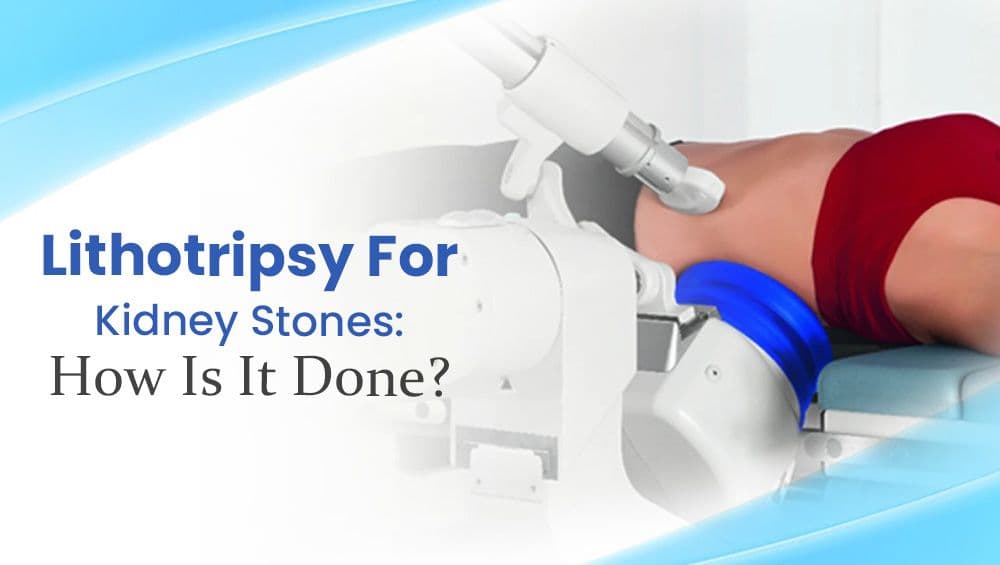
Kidney stones can be a real challenge, quite an ordeal most often, and individuals tend to look for the best solution to get rid of the problem. Lithotripsy is one that is most often suggested. This is a noninvasive treatment pioneered to shatter the kidney stones into smaller particles that can be passed out naturally. But how does it really work and what will these steps look like?
In this guide to lithotripsy for kidney stones, we will take a closer look at the procedure and what makes it ideal for anyone battling kidney stones. If you have been recently diagnosed, or if you are still gathering information on your potential treatments, then learning about the surgery could give you that extra boost in confidence knowing what to expect in the future.
What is Lithotripsy?
Lithotripsy is a medical procedure designed to treat kidney stones or other stones in the urinary tract by breaking them into smaller and more manageable pieces. This helps the body pass the stones naturally through urine, alleviating pain and preventing complications like infections or blockages. The procedure is typically recommended when the stones are too large to pass on their own or cause severe symptoms such as persistent pain, blood in the urine, or recurrent urinary tract infections.
Types of Lithotripsy
- Extracorporeal Shock Wave Lithotripsy (ESWL): This is the most common type of lithotripsy. It uses high energy shock waves generated outside the body to target and break up stones into smaller fragments. The shock waves are focused on the stone using imaging guidance like X rays or ultrasound. ESWL is noninvasive, meaning no incisions or internal instruments are used. Patients typically lie on a water filled cushion or are positioned to ensure precise targeting of the stones. The procedure takes about 45 minutes to an hour and is usually performed on an outpatient basis. Recovery is quick, but patients may experience mild side effects like bruising on the skin, blood in the urine, or discomfort as the stone fragments pass.
- Laser Lithotripsy: This procedure involves the use of a ureteroscope, which is a thin and flexible tube equipped with a camera and laser fiber. The ureteroscope is inserted through the urethra and guided to the stone. A laser is then used to break the stone into smaller pieces. Laser lithotripsy is minimally invasive and often performed under general or spinal anesthesia. It is highly effective for stones located in the ureter or bladder. Most patients can return to normal activities within a few days.
- Ultrasound Lithotripsy: This method uses high frequency sound waves delivered through a probe inserted into the urinary tract. The vibrations from the sound waves fragment the stones. Ultrasound lithotripsy is typically performed in conjunction with other procedures like percutaneous nephrolithotomy (PCNL) or FANS RIRS for larger or more complex stones. Recovery time may vary depending on the extent of the procedure, but most patients experience minimal discomfort.
When is Lithotripsy Recommended?
Lithotripsy is not a first line treatment for every case of kidney or urinary stones. It is typically recommended when the stones cause significant discomfort or complications that cannot be managed through conservative measures such as increased fluid intake, pain relievers, or medications. Below are the specific scenarios where lithotripsy becomes a preferred option:
- Kidney or Ureteral Stones Larger Than 5 to 6 mm: Smaller stones often pass naturally through the urinary tract without intervention. However, you might wonder what is the best way to remove large kidney stones that are too big to pass on their own. Large stones can block the flow of urine, increasing the risk of infection or kidney damage. Lithotripsy is effective in breaking these stones into smaller and passable fragments.
- Severe Pain (Renal Colic): Renal colic refers to intense and cramping pain caused by stones moving through the urinary tract or obstructing the flow of urine. This pain is often the first symptom of a kidney stone and typically radiates from the lower back to the groin. If the pain is persistent and cannot be controlled with medication, lithotripsy may be recommended to quickly alleviate the source of discomfort by breaking down the obstructing stone.
- Obstructions in the Urinary Tract: Stones can block the urinary tract at various points, preventing urine from flowing freely. This can lead to a backup of urine, increasing pressure in the kidneys and causing swelling. Prolonged obstructions can lead to kidney damage and infections. Lithotripsy is often used to clear the blockage and restore normal urinary flow.
- Recurrent Urinary Tract Infections (UTIs): Stones can create an environment conducive to bacterial growth, leading to recurrent urinary tract infections. By removing or breaking down the stones, lithotripsy eliminates the underlying cause of the recurrent infections.
- Blood in the Urine (Hematuria): Stones can irritate the delicate lining of the urinary tract, leading to bleeding. If bleeding persists or is associated with other complications like pain or obstruction, lithotripsy may be recommended to remove the stones and stop the irritation.
How is Lithotripsy Done to Remove Kidney Stones?
Lithotripsy is a noninvasive procedure used to break down kidney stones into smaller fragments, making it easier for your body to pass them naturally. Here is how it works:
- Preparation: You will lie on a table or in a water bath, depending on the type of lithotripsy. Before the procedure, you might receive mild sedation or pain medication to keep you comfortable.
- Shock Waves Target the Stones: The doctor uses imaging techniques like X rays or ultrasound to precisely locate the kidney stones. Once positioned, shock waves are directed at the stones from outside your body. These high energy waves break the stones into smaller pieces.
- After the Procedure: Once the stones are fragmented, they pass through your urinary tract over the following days or weeks. You may experience mild discomfort or notice blood in your urine, which is normal as the stones exit your body.
- Recovery and What to Expect: Lithotripsy is typically an outpatient procedure, meaning you can go home the same day. Recovery time is relatively quick, and most people can resume their normal activities within a few days. Drinking plenty of water helps flush out the fragments and keeps your urinary system healthy.
Break Free from Kidney Stones with Cure Stone
Choose Cure Stone for your kidney stone treatment and experience unparalleled expert care with Dr. Deepanshu Gupta, a highly renowned urologist. We offer state of the art noninvasive lithotripsy and advanced FANS RIRS procedures to ensure your stones are eliminated with maximum precision and zero downtime. At Cure Stone, we believe in providing comprehensive care, from your initial diagnosis to your final post treatment checkups. We meticulously tailor every treatment plan to your unique body, ensuring a smooth, effective, and completely comfortable path to recovery. Do not let kidney stones disrupt your life for another day. Trust the experts at Cure Stone for a permanent and pain free solution.
Frequently Asked Questions (FAQs)
Is lithotripsy a painful procedure?
You will not feel pain during the actual procedure because you will be given sedation or anesthesia. However, you might experience some mild cramping and discomfort in the days following the treatment as the small stone fragments pass through your urinary tract.
How long does it take to pass stone fragments after lithotripsy?
It typically takes a few days to a few weeks for all the stone dust and fragments to completely exit your body. Drinking plenty of water will help speed up this process and keep your urinary system flushed.
Can a kidney stone survive lithotripsy?
Yes, if a stone is exceptionally large or unusually hard, a single session of shock wave therapy might not be enough to shatter it completely. In such cases, your urologist may recommend a second session or an advanced alternative like FANS RIRS to manually extract the fragments.
What should I eat after my lithotripsy treatment?
You can return to your normal diet almost immediately. However, it is highly recommended to limit your salt intake and avoid very spicy foods for a few days to prevent any bladder irritation while the stone fragments are passing.
Have Questions About This Topic?
Get a personalized consultation at Cure Stone Hospital, Sector 52, Gurgaon.
Book Consultation