What Is the Cost of Kidney Stone Stent Removal?
The throbbing pain associated with kidney stones can be unbearable, leading to the placement of a stent in the ureter to assist the flow of urine from the kidneys to the bladder. However, once the stone is dissolved via laser, the stent has to be extracted.
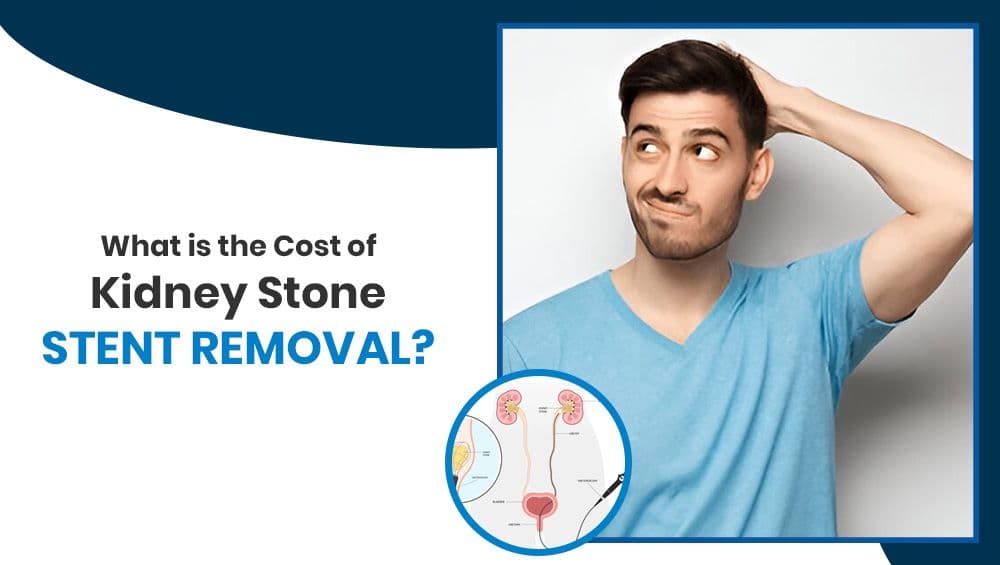
The throbbing pain associated with kidney stones can be unbearable, often leading to the placement of a ureteral stent to assist urine flow from the kidneys to the bladder. Once the stone is treated using advanced techniques like laser surgery for kidney stones or FANS RIRS, the stent must eventually be extracted.
Many patients are left with questions regarding the cost of kidney stone stent removal in India. Naturally, most individuals are concerned about out-of-pocket expenses, hospital charges, and whether the procedure is covered by health insurance.
In this blog, we break down the financial aspects of stent removal, key factors influencing the total cost, post-operative care, and how to navigate health insurance coverage in India.
What Is a Ureteral (Kidney) Stent?
A ureteral stent (often called a Double-J or DJ stent) is a thin, flexible tube placed inside the ureter to hold the passage open and ensure urine drains freely from the kidney into the bladder.
Stents are commonly used:
- To bypass ureteral obstructions caused by kidney stones.
- To reduce swelling and relieve pressure in infected or blocked kidneys.
- To aid tissue healing following surgical stone extraction procedures like RIRS, URS, or PCNL.
A kidney stent requires post-operative monitoring and is typically left inside the body for a few days up to a few weeks before being safely removed.
How Is a Kidney Stent Removed?
Stent removal is generally a straightforward, outpatient procedure completed in just a few minutes. Depending on the clinical situation, it can be performed in two ways:
- Office-Based Removal (String Removal): If the stent was placed with an attached string extending through the urethra, your urologist can gently pull the stent out in the clinic. This process takes less than a minute and requires no anesthesia.
- Cystoscopic Removal: If there is no string visible, a flexible cystoscope—a slender tube equipped with a camera—is guided through the urinary tract under local anesthetic gel to grasp and gently retrieve the stent.
Cost Breakdown of Kidney Stone Stent Removal in India
The cost of kidney stone stent removal in India generally ranges between ₹5,000 and ₹40,000, depending on whether the procedure is performed in an outpatient clinic or a full hospital setting under cystoscopy.
Estimated Cost Comparison Table
| Procedure Type | Typical Setting | Estimated Cost Range (INR) |
|---|---|---|
| Office-Based Removal (With String) | Outpatient Clinic | ₹5,000 – ₹12,000 |
| Cystoscopic Removal (Local Anesthesia) | Daycare / Surgical Center | ₹15,000 – ₹30,000 |
| Complex Removal (Hospitalization/Sedation) | Hospital Operating Room | ₹30,000 – ₹40,000+ |
Key Factors That Influence the Cost
Several medical and geographical factors impact the final bill for stent retrieval:
- Procedure Location (Facility Type): Office-based removals in a clinic are the most affordable option. Performing the extraction in a hospital operating room or daycare surgical center adds facility charges, increasing the overall cost.
- Procedure Complexity: Cystoscopy requiring specialized video equipment, surgical instruments, or sedation costs more than a manual string removal.
- City & Healthcare Infrastructure: Prices vary significantly across locations. Metro cities (such as Delhi NCR, Mumbai, and Bangalore) typically have higher facility costs compared to smaller cities.
- Diagnostic Tests & Medications: Pre-procedure imaging (such as X-rays or ultrasounds) to confirm stone clearance and stent position, alongside post-procedure antibiotics or pain relievers, can add to the total cost.
Is Stent Removal Covered by Health Insurance in India?
Yes, medically necessary kidney stone stent removal is generally eligible for coverage under most health insurance policies in India.
- Private Health Insurance: Most comprehensive private policies cover stent removal, especially if it was part of an ongoing surgical treatment plan for kidney stones.
- Employer-Provided Insurance: Corporate health coverage typically covers day-care procedures like cystoscopic stent removal with minimal out-of-pocket expenses.
- Government Health Schemes: Schemes such as Ayushman Bharat (PM-JAY), CGHS, or ESI often cover urological procedures at empanelled centers with cashless benefits.
Note: Depending on your specific policy terms, you may still be responsible for minor out-of-pocket costs such as deductibles, co-payments, or non-medical consumable fees. Always verify cashless approval with your insurance provider prior to the procedure.
What to Expect: Pain and Post-Procedure Recovery
Most patients report only mild, temporary discomfort during stent removal, often described as a brief stinging or pulling sensation.
Immediate Post-Care Symptoms
Recovery is rapid, with most individuals resuming normal daily activities within 24 to 48 hours. Mild side effects during the first day or two may include:
- A light burning sensation during urination (dysuria).
- A temporary, frequent urge to urinate.
- Slight pinkish discoloration or minor blood in the urine (hematuria).
- Mild lower abdominal or flank soreness.
Drinking plenty of water helps flush out the urinary system and speeds up recovery.
When to Contact Your Doctor
Although rare, complications can occur if an overdue stent is left inside too long. Contact your urologist immediately if you experience:
- High fever or chills (signs of a potential urinary tract infection).
- Inability to urinate or severe urinary retention.
- Persistent, heavy blood clots in your urine.
- Severe, unmanageable flank or abdominal pain.
Consult an Expert Urologist in Gurgaon
For safe, efficient stent management and complete kidney stone care, consulting an experienced specialist is essential.
Dr. Deepanshu Gupta is a leading urologist in Gurgaon known for his expertise in minimally invasive kidney stone procedures, precise stent retrievals, and personalized guidance on how to avoid kidney stone recurrence.
Whether you require routine stent removal or a comprehensive evaluation for urological conditions, Dr. Gupta and the team at Cure Stone provide high-quality care tailored to your health and financial needs.
Book a consultation with Cure Stone today for transparent pricing and expert urological care.
Frequently Asked Questions (FAQs)
How long does a kidney stent removal procedure take?
Standard stent removal is extremely quick. An office-based string removal takes under a minute, while a cystoscopic removal under local anesthesia usually takes only 5 to 10 minutes.
Is cystoscopic stent removal done as a day-care procedure?
Yes, cystoscopic stent removal is almost always performed as a day-care procedure. Patients do not require an overnight hospital stay and can usually go home shortly after the procedure.
Can a kidney stent be left inside permanently?
No. Stents are temporary medical devices and must never be left in place permanently. Leaving a stent beyond its recommended duration can lead to severe encrustation, stone formation over the tube, chronic infections, and permanent kidney damage.
What should I do to prepare for my stent removal?
Follow any specific instructions given by your urologist, which may include taking a prescribed prophylactic antibiotic before the appointment and drinking plenty of water on the day of the procedure to keep your bladder full.
Have Questions About This Topic?
Get a personalized consultation at Cure Stone Hospital, Sector 52, Gurgaon.
Book Consultation