Difference Between Gallbladder Stone and Kidney Stone
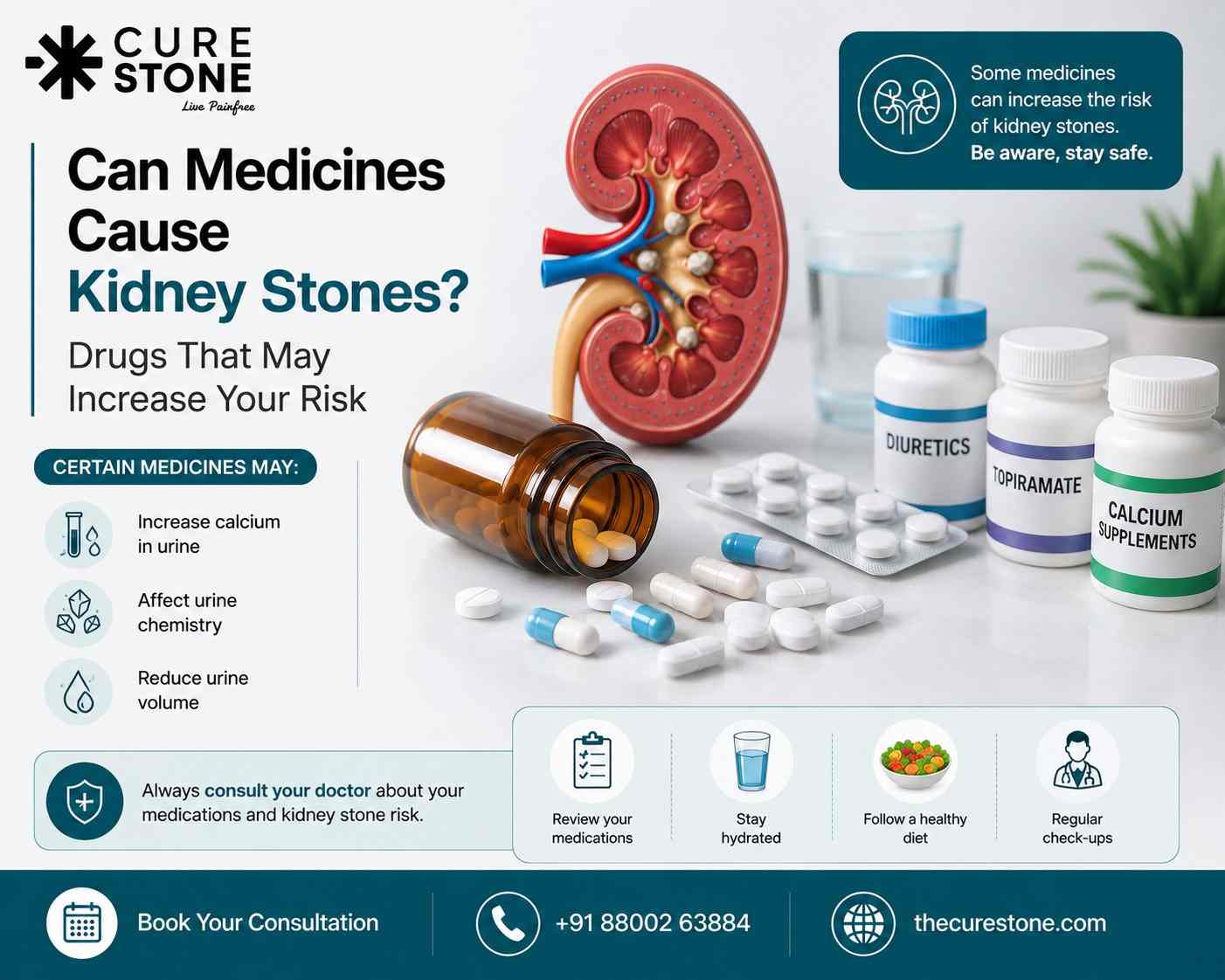
Gallbladder stones are often mistaken for kidney stones as both cause sudden and sharp abdominal pain. They are two very different ailments that occur in different organs, have different causative factors, symptoms, and management.
Gallbladder stones are often mistaken for kidney stones as both cause sudden, intense abdominal discomfort. However, they are two distinct ailments occurring in entirely different organ systems, with different causes, symptoms, and medical management strategies. Understanding the difference between gallstones and kidney stones allows you to recognize symptoms early, seek accurate diagnostic imaging, and choose the most effective treatment path.
What Is a Gallbladder Stone?
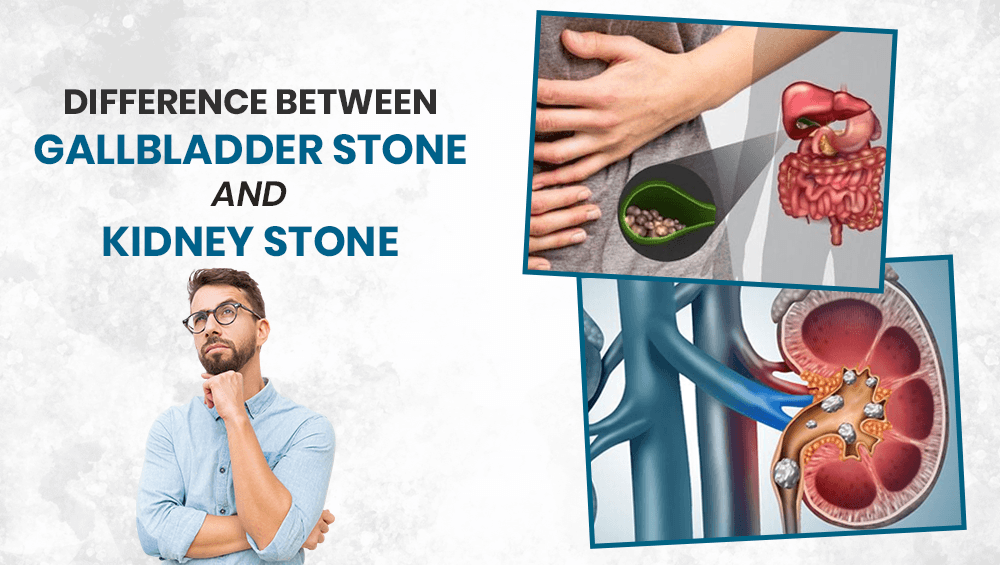
The gallbladder is a pear-shaped organ located beneath the liver in the upper right abdomen. Its primary role is to store bile—a fluid produced by the liver to break down dietary fats. Gallstones (cholelithiasis) develop when substances in bile—such as cholesterol, bilirubin, or bile salts—harden into solid deposits. They range from microscopic grains to the size of a golf ball. While asymptomatic ("silent") stones can sit unnoticed, stones that obstruct the bile ducts cause severe pain and potential organ inflammation.
What Is a Kidney Stone?
The kidneys filter blood to eliminate excess fluids, metabolic waste, and salts via urine. When minerals like calcium, oxalate, and uric acid accumulate in concentrated urine, they crystallize and form hard deposits called kidney stones (nephrolithiasis). Stones can remain in the renal calyces or travel down the ureter toward the bladder. While small stones can void naturally with temporary discomfort, larger stones can block urine flow, leading to intense pain and kidney swelling (hydronephrosis).
Symptoms: Gallbladder Stones vs. Kidney Stones
Gallbladder Stone Symptoms
- Location: Intense pain in the upper right abdomen or directly beneath the right ribcage, sometimes radiating to the right shoulder or back.
- Triggers: Pain attacks frequently occur 30 to 60 minutes after eating fatty, fried, or heavy meals.
- Associated Signs: Indigestion, bloating, belching, nausea, vomiting, and jaundice (yellowing of skin/eyes if a bile duct is blocked).
Kidney Stone Symptoms
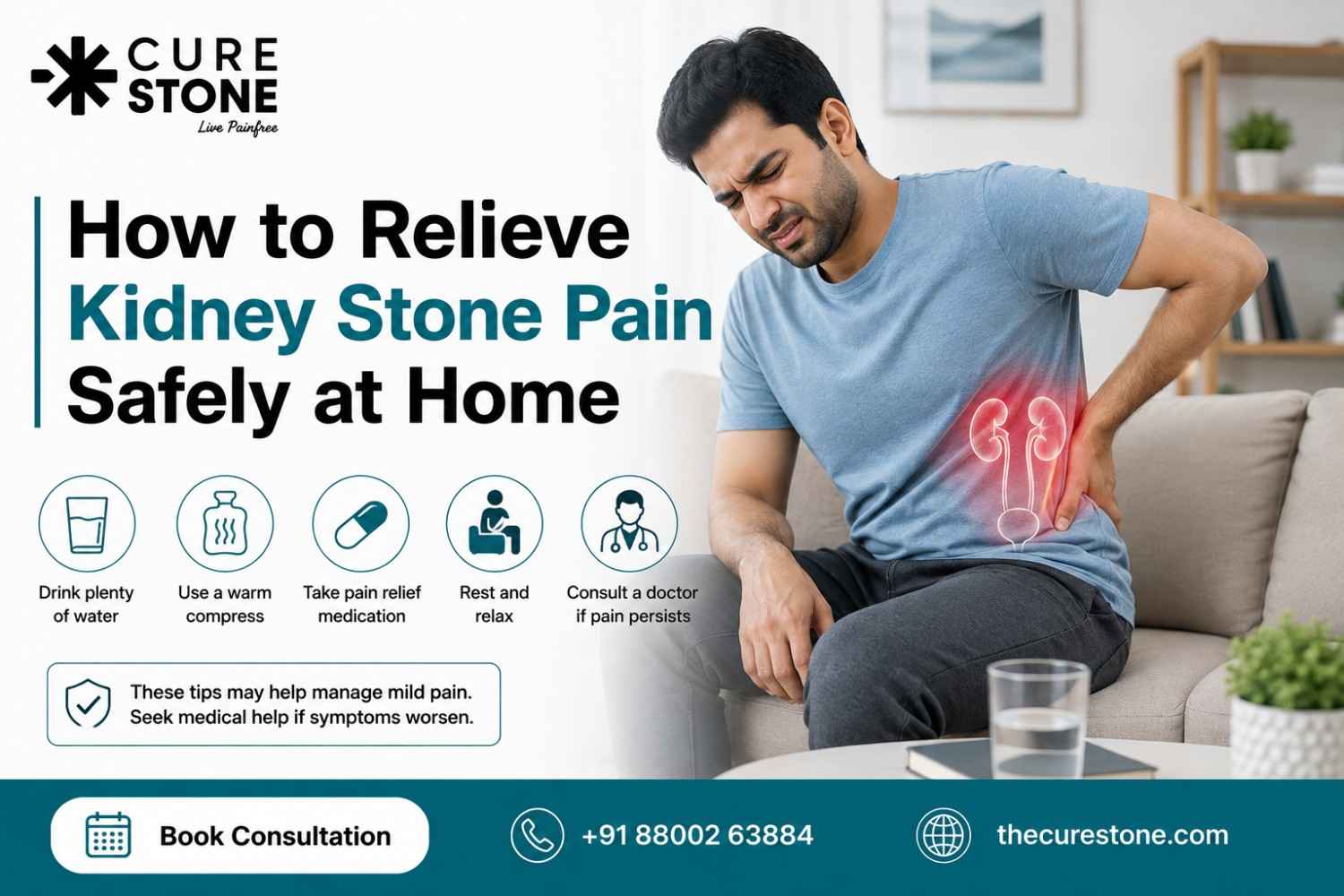
- Location: Sharp, stabbing flank or lower back pain just below the ribs, radiating downward to the lower abdomen, pelvis, or groin. Read about where you feel kidney stone pain.
- Triggers: Pain occurs in sudden, colicky waves regardless of meal consumption.
- Associated Signs: Stinging during urination, persistent urge to urinate, pink or reddish blood in urine (hematuria), nausea, and fever/chills if an infection is present.
Core Comparison: Gallbladder Stones vs. Kidney Stones
- Organ System: Gallstones affect the digestive/biliary system; kidney stones affect the urinary/renal system.
- Primary Composition: Gallstones are predominantly cholesterol or bilirubin; kidney stones are mostly calcium oxalate, uric acid, or struvite. Read about the 4 different types of kidney stones.
- Pain Pattern: Gallstone pain peaks in the upper right abdomen after eating fatty foods. Kidney stone pain moves from the lower back to the groin in unpredictable, spastic waves.
- Urinary Changes: Gallstones cause no urinary symptoms. Kidney stones cause painful urination, urgency, and blood in urine.
- Natural Passage: Gallstones cannot pass through urine or dissolve with water. Small kidney stones (under 5 mm) can pass spontaneously through fluid intake. Read how to speed up the passing of kidney stones.
Causes and Risk Factors
Gallbladder Stone Risk Factors
- Excess cholesterol or bilirubin buildup in bile
- Obesity or rapid weight loss
- Pregnancy or estrogen-related hormonal changes
- High-fat, low-fiber diets
- Genetic predisposition or family history
Kidney Stone Risk Factors
- Chronic dehydration and low daily water intake. Learn why hydration is necessary for kidney health.
- Diets high in sodium, animal protein, or oxalates. Explore the right diet for kidney stones.
- Metabolic conditions like gout, hyperparathyroidism, or diabetes
- Family history of stone disease
Treatment Options
Gallbladder Stone Treatments
- Silent Stones: Conservative observation if no pain or inflammation is present.
- Symptomatic Stones: Surgical removal of the gallbladder (cholecystectomy) is the definitive cure, as dissolving medications are generally ineffective. Options include:
- Laparoscopic Gallbladder Removal: Minimally invasive keyhole surgery with rapid 1 to 2 week recovery. Read our full comparison on laparoscopic vs open gallbladder stone surgery.
- Robotic Gallbladder Surgery: Advanced precision removal for complex cases.
Kidney Stone Treatments
- Small Stones (under 5 mm): High fluid intake, pain management, and alpha-blocker medications to relax ureteral muscles. Read does more walking help pass kidney stones.
- Large or Obstructing Stones (6 mm or larger):
- Retrograde Intrarenal Surgery (RIRS): A scarless laser procedure to dust kidney stones using a flexible scope. Discover why RIRS is best for kidney stones.
- Extracorporeal Shock Wave Lithotripsy (ESWL): Uses external sound waves to shatter stones into small grains. Read about lithotripsy for kidney stones.
- Percutaneous Nephrolithotomy (PCNL): Performed via a small keyhole incision in the back for stones larger than 2 cm. Learn if PCNL is a major surgery.
Expert Care in Gurgaon
Although both conditions cause severe pain, gallstones and kidney stones require entirely different surgical and medical approaches. Early diagnostic imaging—such as abdominal ultrasounds or non-contrast CT scans—is essential for an accurate diagnosis. For expert urological and endourological care in Gurgaon and Delhi NCR, consult Dr. Deepanshu Gupta. With over 15 years of experience and thousands of successful minimally invasive procedures, Dr. Gupta provides tailored treatment plans for complete relief.
Frequently Asked Questions
Will gallbladder stones naturally pass like kidney stones do?
No. Gallstones cannot pass out through urine because the gallbladder connects to the digestive tract. Trying to force gallstones out can lodge them in the bile duct, causing severe pancreatitis or jaundice. Surgery is required for symptomatic gallstones.
Can you have both gallbladder stones and kidney stones at the same time?
Yes. Because both conditions share overlapping risk factors like obesity, metabolic imbalances, and high-sodium or high-fat diets, a patient can develop gallstones and kidney stones simultaneously.
Do gallbladder or kidney stones recur after treatment?
Once the gallbladder is surgically removed, gallstones cannot form again. However, kidney stones can recur if fluid intake, diet, and metabolic risk factors are not properly managed. Read our guide on how to avoid kidney stones recurrence.
Which diagnostic test tells the difference between gallstones and kidney stones?
An abdominal ultrasound or a non-contrast CT scan (CT KUB) easily differentiates between the two conditions by visualizing whether stones are located in the gallbladder/bile ducts or the kidneys/ureters. Read about the role of ultrasound and CT scan in diagnosing kidney stones.
Have Questions About This Topic?
Get a personalized consultation at Cure Stone Hospital, Sector 52, Gurgaon.
Book Consultation