How can I speed up the passing of kidney stones?
If you have ever experienced kidney stone pain, you know how sudden and painful it can be, and it can also affect your daily life routine. People want to get rid of it as soon as possible. Some stones leave your body naturally, but you can also speed up the process by performing multiple things.
If you have ever experienced kidney stone pain, you know how sudden and painful it can be. It can completely disrupt your daily routine, leaving you wanting relief as soon as possible. While some stones leave your body naturally, you can adopt specific strategies to speed up the process and help prevent future stone formation through suitable exercise, hydration, and medical support.
Understanding Kidney Stones
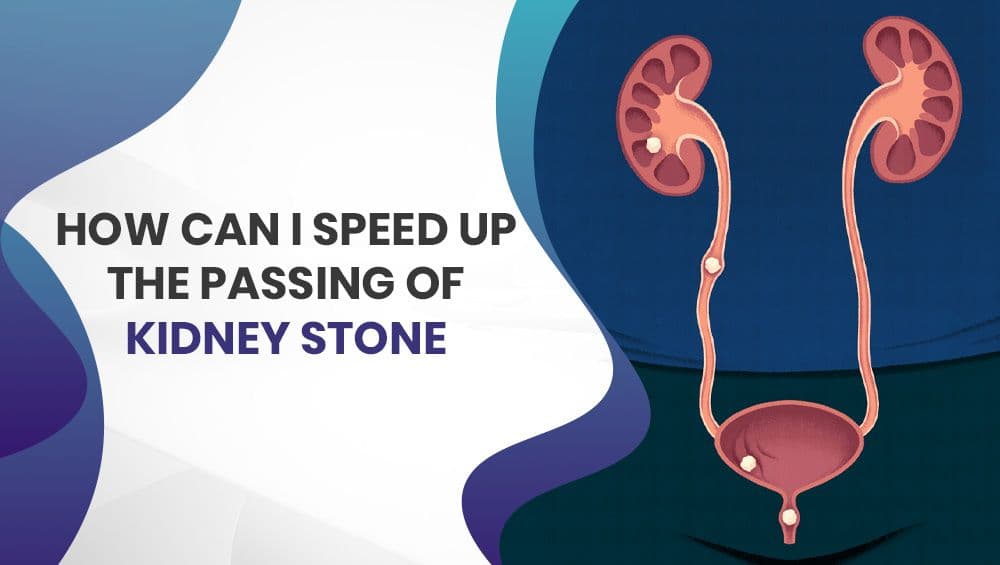
Kidney stones are mineral and salt accumulations that develop within your kidneys. They range in size from a grain of sand to a small pebble or larger. As these stones pass from the kidney to the bladder via the narrow ureter, they cause severe pain, discomfort, and spasms. The main types of kidney stones include:
- Calcium Oxalate Stones: The most prevalent type, formed when calcium combines with excess oxalate in urine. Learn more about calcium stones symptoms and treatments.
- Uric Acid Stones: Frequently associated with high animal protein intake; read about uric acid stones complications and treatment.
- Struvite Stones: Brought on by recurrent upper urinary tract infections; see struvite stones guide.
- Cystine Stones: A rare, inherited genetic condition causing cystine build-up.
Can All Kidney Stones Pass on Their Own?
A stone's ability to pass naturally depends primarily on its size:
- Small Stones (under 5 mm): Usually pass naturally within a few days or weeks with proper hydration.
- Medium Stones (5 mm to 10 mm): Can pass with medical expulsive therapy and lifestyle adjustments, though passage takes longer. Read about specific treatments like the best treatment for 6mm kidney stones or best treatment for 7mm kidney stones.
- Large Stones (over 10 mm): Rarely pass on their own and typically require medical procedures such as laser lithotripsy or ureteroscopy. Explore options for the best treatment for 10mm kidney stones.
How to Speed Up Passing a Kidney Stone
- Drink Plenty of Water: High fluid intake generates steady urine flow to flush the stone downward. Understand why hydration is necessary for kidney health.
- Use Doctor-Prescribed Medications: Alpha-blockers (such as tamsulosin) relax the smooth muscles of the ureter, allowing the stone to move through more easily.
- Stay Active and Move Around: Physical movement helps shift the stone's position within the urinary tract. Read more on how does more walking help pass kidney stones.
- Apply Heat to Relieve Pain: A heating pad applied to your lower back or abdomen helps soothe muscle spasms while the stone travels.
- Maintain a Balanced Diet: Following the right diet for kidney stones by limiting excess salt, animal protein, and high-oxalate foods helps manage current stones and prevents new ones.
Exercises That May Help Pass a Kidney Stone
- Brisk Walking: Walking for 20 to 30 minutes several times a day keeps your body moving and helps stones shift naturally.
- Light Jogging: If your pain is tolerable, mild jogging creates subtle vertical movement that encourages the stone to descend.
- Stair Climbing: Going up and down stairs uses gravity to help a small stone change position in the ureter.
- Jumping Jacks or Rope Skipping: Short bursts of gentle jumping can utilize gravity to push a small, moving stone toward the bladder (only if pain is manageable).
- Yoga and Gentle Stretching: Eases abdominal and pelvic muscle tension, helping improve urine flow.
When to See a Doctor Immediately
Seek urgent medical evaluation if you experience:
- High fever, chills, or rigors (signs of a kidney infection)
- Heavy or worsening blood in urine (hematuria)
- Inability to pass urine at all (acute urinary retention)
- Severe, unmanaged pain that does not improve with prescribed pain relievers
- Persistent nausea and vomiting preventing fluid retention
These signs suggest a stone is completely stuck or causing an infection, requiring immediate treatment to prevent long-term kidney strain. Read about what happens if you don't remove kidney stones.
Expert Kidney Stone Care in Gurgaon
Passing a small kidney stone can be accelerated through proper water intake, medical expulsive therapy, and light physical activity. However, if a stone is too large or causes unbearable pain, do not delay seeking specialist medical intervention. For expert urological care in Gurgaon and Delhi NCR, consult Dr. Deepanshu Gupta. As a dedicated Urologist, Andrologist, and Renal Transplant Surgeon, Dr. Gupta has extensive experience in managing complex kidney stone cases through modern, minimally invasive procedures like RIRS, PCNL, and ESWL.
Frequently Asked Questions
What is the fastest way to dissolve a kidney stone?
Only uric acid stones can sometimes be dissolved using alkalinizing medications prescribed by a doctor. Calcium oxalate stones cannot be dissolved with drinks or medications and must either pass naturally or be broken up using laser lithotripsy or shock waves. Read more on what is the fastest way to dissolve a kidney stone.
Can drinking lemon water help pass a kidney stone faster?
Yes. Lemons contain citrate, which helps prevent calcium crystals from binding together and may help break down tiny stone aggregates, making them easier to pass with high fluid intake.
How do I know if my kidney stone is close to passing?
When a stone reaches the lower junction near the bladder, severe back pain usually decreases, replaced by lower pelvic pressure, increased urinary urgency, or a burning sensation during urination. Learn more about how to know when a kidney stone is close to passing.
Have Questions About This Topic?
Get a personalized consultation at Cure Stone Hospital, Sector 52, Gurgaon.
Book Consultation