Does pushing help pass kidney stones
The pain of a kidney stone can be one of the most intense pains in life. Stone causes sharp pain while passing through the urinary tract.
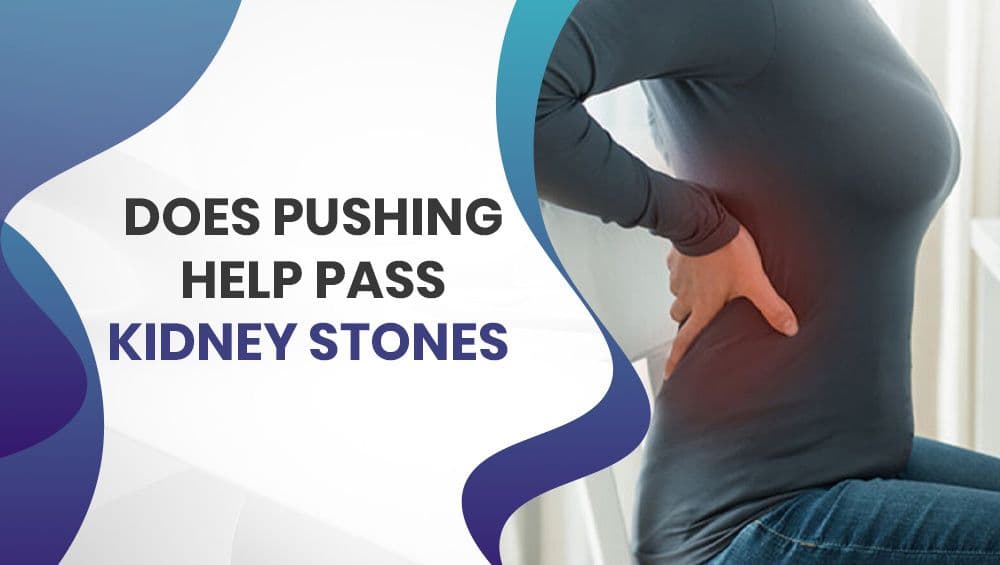
The pain of a kidney stone can be one of the most intense experiences in life. As a stone moves through the urinary tract, it causes sharp, stabbing pain. Most individuals, in the middle of an acute attack, find themselves wondering if forcing or straining during bowel movements or urination can really push the stone out faster. It is a natural reaction when the pain is severe and the stone feels lodged, but understanding how the urinary system works reveals why straining does not help.
Understanding How Kidney Stones Move
Kidney stones are hard, pebble-like mineral deposits that form inside your kidneys when minerals and salts in urine crystallize and build up over time. Small stones can stay unnoticed, but once they move into the narrow ureter leading to the bladder, they obstruct fluid flow and trigger intense muscle spasms.
Why Pushing or Straining Does Not Work
- Urinary vs. Digestive Systems: Straining or applying abdominal pressure engages muscles related to the digestive tract and bowel movements. It exerts no direct force inside the urinary tract or ureter where the stone is lodged.
- Increased Pain and Discomfort: Excess abdominal pressure places additional stress on already inflamed pelvic organs, which can aggravate back and lower stomach pain.
- No Impact on Stone Movement: Stones only move downward when propelled by hydrodynamic pressure from urine flow and natural, rhythmic ureteral contractions (peristalsis).
- Urinary Retention Risk: Forcing or straining can irritate bladder sphincters, making normal urination harder without offering any benefit to stone passage.
How Do Kidney Stones Actually Pass?
Kidney stones move out of the body through specific physiological mechanisms rather than manual force:
- Steady Urine Flow: High fluid intake generates hydrostatic pressure behind the stone, pushing it naturally toward the bladder. Learn more about why hydration is necessary for kidney health.
- Relaxation of Ureteral Muscles: Medical expulsive therapy, such as alpha-blockers prescribed by a urologist, relaxes the smooth muscle walls of the ureter so the stone glides down easily.
- Gravity and Mild Physical Activity: Gentle movements like short walks help shift the stone's position within the urinary passage. Read more on does more walking help pass kidney stones.
Safe Ways to Speed Up Kidney Stone Passage
- Drink Plenty of Water: Consuming 2 to 3 liters of water daily keeps urine diluted and creates a continuous flush to propel small stones downward.
- Stay Active with Light Motion: Gentle walking or light activity uses gravity to guide stones toward the bladder. Read further tips on how to speed up the passing of kidney stones.
- Take Prescribed Medications: Alpha-blockers relax the ureters, while prescribed pain relievers control inflammation and spasms.
- Seek Specialized Endourological Care: Stones larger than 6 mm rarely pass naturally and typically require minimally invasive procedures such as scarless RIRS or ESWL lithotripsy. Explore options like the best treatment for 6mm kidney stones or best treatment for 10mm kidney stones.
Can Pushing Make Kidney Stones Worse?
Yes, applying excess abdominal pressure during urination or bowel movements can backfire by:
- Increasing intra-abdominal pressure and worsening acute back and flank pain
- Causing pelvic floor muscle strain and bladder spasms
- Creating unnecessary body stress without moving the stone a single millimeter
When to See a Doctor Immediately
Seek urgent evaluation from a specialist if you notice:
- Unbearable, sharp pain that does not reduce with prescribed medication
- Visible blood in urine (hematuria)
- Signs of infection, such as fever, chills, or persistent vomiting
- An inability to pass urine or significantly reduced urine output (indicating a complete blockage)
Delaying care for an obstructed stone can cause urine backup and kidney swelling (hydronephrosis). Read more on how do you know when a kidney stone is serious.
Expert Kidney Stone Specialist in Gurgaon
Straining or pushing does not make a kidney stone pass faster and can exacerbate severe abdominal pain. Kidney stones move naturally through steady fluid intake, relaxed urinary muscles, and gentle movement. For trusted, personalized care in Gurgaon and Delhi NCR, consult Dr. Deepanshu Gupta. With extensive experience in thousands of successful endourological procedures (including scarless RIRS, PCNL, and ESWL), Dr. Gupta provides tailored, affordable treatment plans designed for fast, effective relief.
Frequently Asked Questions
Can straining cause a hernia or increase kidney pain during a stone attack?
Yes. Excessive straining increases intra-abdominal pressure significantly, which can aggravate lower back pain, trigger pelvic muscle spasms, and increase the risk of abdominal wall or inguinal hernias.
How do I know if my kidney stone is stuck and needs surgery?
If your flank pain remains constant for days without relief, or if you develop fever, chills, vomiting, or an inability to pass urine, the stone may be stuck in the ureter. Read more on what happens if you don't remove kidney stones.
What is the most painful stage of passing a kidney stone?
The most painful stage occurs when the stone enters and travels down the narrow ureter toward the bladder, triggering intense muscular spasms and back pressure. Read our guide on what is the most painful stage of kidney stones.
Have Questions About This Topic?
Get a personalized consultation at Cure Stone Hospital, Sector 52, Gurgaon.
Book Consultation