Can kidney stones be treated without surgery?
Kidney stones are very common and serious urinary tract diseases that affect lots of people around the world. The pain caused by kidney stones is some of the worst pain ever imagined. Fortunately, not every kidney stone case requires surgery.
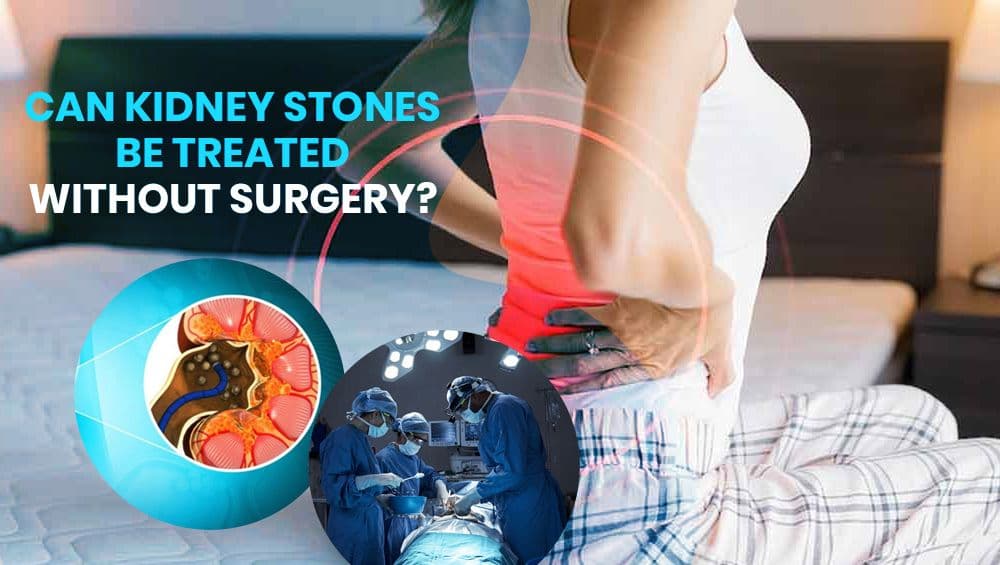
Kidney stones are very common and serious urinary tract conditions that affect millions of people around the world. The pain caused by kidney stones is described as some of the worst pain ever imagined. Fortunately, not every kidney stone case requires surgery. Most cases can be resolved naturally or treated thoroughly without complicated procedures under close medical supervision. Knowing your options is important when seeking non-surgical kidney stone treatment. Here is a guide explaining why kidney stones develop, how they are diagnosed, and what you can do to treat and prevent them safely and effectively.
What Are Kidney Stones?
Kidney stones are mineral and salt buildups that form inside the kidneys when urine contains high levels of compounds like calcium, oxalate, and uric acid. These minerals crystallize and stick together, forming hard stones that can block urine flow and cause severe pain.
Primary Causes of Kidney Stones
- Dehydration: Inadequate fluid intake causes urine to become highly concentrated, leading to mineral crystallization. Learn why hydration is necessary for kidney health.
- Poor Nutrition: Diets high in sodium, animal protein, or processed sugars increase stone risk.
- Family History: Genetic factors can predispose individuals to higher mineral excretion. Read about hereditary kidney stones.
- Underlying Medical Conditions: Obesity, gout, recurrent UTIs, or digestive disorders increase stone formation risk.
Symptoms of Kidney Stones
- Severe, sharp pain in the back, side (flank), or lower abdomen
- Pain or a burning sensation during urination
- Pink, red, or brownish blood in urine (hematuria)
- Persistent nausea, vomiting, or chills
- Frequent, urgent need to urinate while passing only small amounts
How Are Kidney Stones Diagnosed?
Before beginning treatment, an endourologist conducts diagnostic tests to determine stone size, type, and exact location:
- Physical Exam & Medical History: Evaluating symptoms, diet, and personal/family stone history.
- Diagnostic Imaging: Non-contrast CT scans (CT KUB) provide precise location and stone density measurements (Hounsfield Units). Ultrasounds serve as a safe, radiation-free screening tool. Read about the role of ultrasound and CT scan in diagnosing kidney stones.
- Urinalysis & Blood Tests: Urinalysis checks for infection markers and crystals, while blood tests evaluate kidney function (creatinine), calcium, and uric acid levels.
Types of Kidney Stones
Understanding stone composition guides effective non-surgical treatment:
- Calcium Oxalate Stones: The most common type; linked to high oxalate intake, dehydration, or high urinary calcium. Read about calcium stones symptoms and treatments.
- Calcium Phosphate Stones: Often associated with metabolic or renal tubular conditions.
- Uric Acid Stones: Form in persistently acidic urine; linked to high animal protein intake or gout. Read about uric acid stones complications and treatment.
- Struvite Stones: Brought on by upper urinary tract infections; see our struvite stones guide.
- Cystine Stones: Caused by a rare genetic condition (cystinuria).
How to Treat Kidney Stones Without Surgery
Many small stones pass naturally or respond well to medical expulsive therapy without requiring invasive operations.
1. Conservative Watchful Waiting
If a stone is smaller than 5 mm, it has an 80% to 90% chance of passing spontaneously. Consuming 2.5 to 3 liters of water daily provides the fluid force needed to flush the stone out naturally. Read how to speed up the passing of kidney stones.
2. Medical Expulsive Therapy (MET)
- Pain Management: Non-steroidal anti-inflammatory drugs (NSAIDs) relieve ureteral inflammation and pain.
- Alpha-Blockers: Medications like Tamsulosin relax the smooth muscles of the lower ureter, allowing stones to pass faster with less discomfort.
- Alkalinizing Agents: Potassium citrate turns urine less acidic, which can gradually dissolve pure uric acid stones over time.
3. Extracorporeal Shock Wave Lithotripsy (ESWL)
ESWL is a non-invasive outpatient procedure that uses high-energy acoustic sound waves from outside the body to break small-to-medium stones into tiny fragments that pass naturally in urine.
4. Laser Ureteroscopy (URSL / RIRS)
For stones lodged in the ureter or kidney that fail to pass naturally, scarless procedures like laser ureteroscopy or RIRS use natural urinary pathways without any external skin cuts.
Dietary Guidelines for Kidney Stone Patients
- Foods to Emphasize: Fresh water, citrus fruits (lemons, oranges rich in natural citrate), calcium-rich dairy foods during meals, and high-fiber vegetables.
- Foods to Limit: Excess table salt (sodium), heavy red meats, processed foods, carbonated sodas, and extremely high-oxalate items (spinach, beets, almonds). Explore the right diet for kidney stones.
How to Prevent Kidney Stones Naturally
- Drink 2.5 to 3 liters of water daily to maintain clear or pale-yellow urine. Read how much water should you drink to avoid kidney stones.
- Limit daily sodium intake to under 2,000 mg.
- Maintain a healthy body weight with low-impact physical activity. Read about what exercise is good for kidney stones.
- Strain your urine if you pass a stone so your urologist can analyze its composition. Read what to do after you pass a kidney stone.
When to See a Doctor
Seek medical evaluation immediately if you experience:
- Severe, unmanageable flank or lower abdominal pain
- High fever, chills, or persistent vomiting (signs of an infected, blocked kidney)
- Inability to pass urine or complete urinary blockage
- Heavy, persistent blood in urine
Untreated, obstructing stones can cause serious complications, including severe urinary tract infections or permanent renal damage (hydronephrosis). Read how do you know when a kidney stone is serious.
Expert Care in Gurgaon
Experiencing a kidney stone does not automatically mean you need surgery. Modern endourology offers effective, safe, and non-invasive methods to treat stones while protecting kidney function. For expert urological consultation in Gurgaon and Delhi NCR, consult Dr. Deepanshu Gupta. With over 15 years of experience and thousands of successful endourological procedures, Dr. Gupta provides accurate diagnostic evaluations, medical expulsive therapies, and advanced scarless laser treatments.
Frequently Asked Questions
Can a 6 mm kidney stone pass without surgery?
Yes. Stones around 6 mm have a 50% chance of passing naturally using high fluid intake, pain management, and doctor-prescribed alpha-blockers like Tamsulosin. Read about the best treatment for 6mm kidney stones.
What is the fastest way to dissolve a kidney stone naturally?
Pure uric acid stones can often be dissolved over weeks or months using urine alkalinizing medications like potassium citrate. However, calcium oxalate stones cannot be dissolved naturally and must be passed or fragmented using ESWL or laser RIRS.
Does walking help pass a kidney stone faster?
Yes. Gentle walking and light physical activity use gravity and movement to help guide a small stone down the ureter toward the bladder. Read does more walking help pass kidney stones.
Have Questions About This Topic?
Get a personalized consultation at Cure Stone Hospital, Sector 52, Gurgaon.
Book Consultation