
Kidney
Showing 25-36 of 58
Clear Filter — Show All Articles
Kidney
The Recovery after Kidney Stone Surgery
Kidney stones are crystalline solid accumulations that develop in the kidney and result in acute discomfort and difficulty urinating. Surgery is required when stones are larger than normal to pass or continuously cause symptoms.

Kidney
Why Are Aftercare & Follow-Up Important After Kidney Stone Surgery?
Kidney stone treatment involves multiple steps. These include laser stone removal via surgery, RIRS which stands for Retrograde Intrarenal Surgery, PCNL or ureteroscopy. Post-surgery care is as important as the surgery itself. In fact, we could argue that in most cases it is more important.

Kidney
How Is It Possible To Remove Kidney Stones Painlessly?
Kidney stones usually develop as a result of the accumulation of minerals and salts that kidneys filter. Most people experience extreme discomfort when the stone is being passed through the urinary tract. Nowadays, medicine has an array of techniques that aid painless non-invasive or minimally invasive kidney stones removal.

Kidney
Best RIRS in Delhi: Advanced Kidney Stone Treatment
Kidney stones are one of the most painful afflictions, and they can manifest in people in a multitude of ways. While smaller stones might pass on their own, bigger or more intricate stones are usually medicated.
Kidney Stones
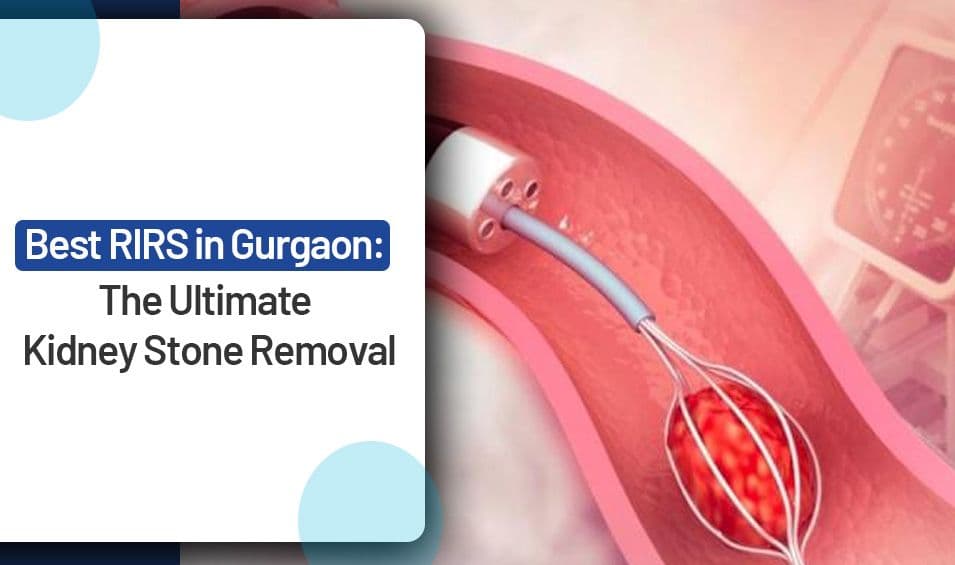
Best RIRS in Gurgaon: The Ultimate Kidney Stone Removal
Kidney stones are often difficult to endure and can hamper one’s lifestyle and health significantly if not treated properly. Retrograde Intrarenal Surgery (RIRS) is relatively new in the field of medicine but it is a practically effortless and effective method of treating kidney stones.

Kidney
How can I get immediate relief from kidney stone pain?
Medically termed as renal colic, kidney stone pain is often experienced as an excruciating ordeal. The severe discomfort occurs when a stone blocks the urinary flow through the tract and results in zinging and cramping pain centralized in the back and sides and sometimes extends to the lower abdomen and groin area.

Kidney
What Is The Number 1 Treatment For Kidney Stones
A renal calculus forms when minerals and salts calcify within the kidneys, and is known as a kidney stone. These stones can be rather painful and may result in urinary tract infections or deterioration of the kidneys if they are not treated promptly.

Kidney
Are There Any Disadvantages of RIRS?
Retrograde Intrarenal Surgery (RIRS) is a surgical procedure commonly employed for treating kidney stones. This technique permits the extraction of stones using a flexible ureteroscope and does not require any incisions to be performed. While RIRS is indeed effective and safe, it does have some drawbacks.
Kidney
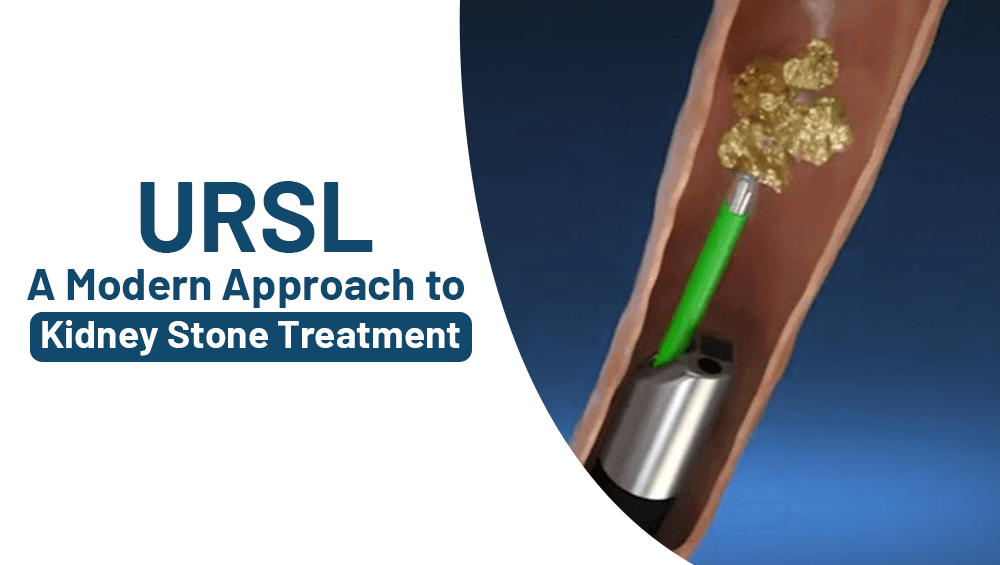
URSL: A Modern Approach to Kidney Stone Treatment
Kidney stones are mineral and salt deposits that form in the kidneys and can cause severe pain as they pass through the urinary system. URSL (ureteroscopy) is a modern, minimally invasive way to treat stones in the ureter using a laser.

Treatment Option
Are There Any Risks of PCNL Surgery?
Percutaneous Nephrolithotomy (PCNL) is one of the most utilized surgical procedures in treating kidney stones because of its efficiency in doing so. However, like all surgical procedures, this method lacks absolute safety, as it poses some risks and complications, especially in cases of advanced kidney stones.
Kidney
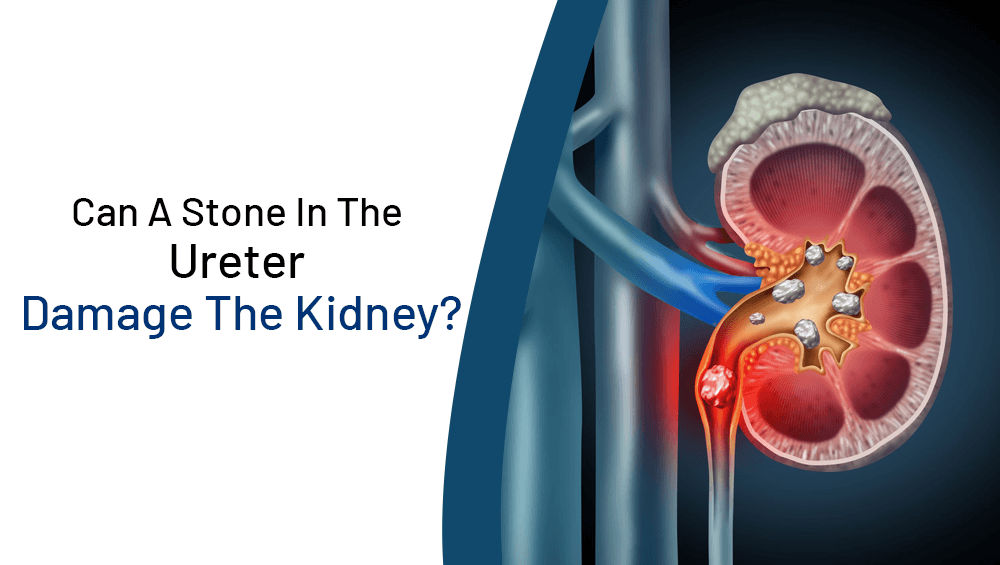
Can A Stone In The Ureter Damage The Kidney?
Stones within the kidney’s pelvis or ureters can cause complications within the urological system and if left untreated can further deteriorate one’s health clause severe discomfort. The most problematic features arise when a stone becomes stuck in the ureter singular duct that links the kidney to the bladder.

Kidney
What Is the Last Stage of Passing a Kidney Stone?
No doubt, kidney stones are among the most common medical conditions. The formation of these stones in the kidney is highly painful and can happen to a large number of people globally. The deposits may take the form of minute grains or may develop into larger pebble-like stones in addition to varying in size.